
Plants
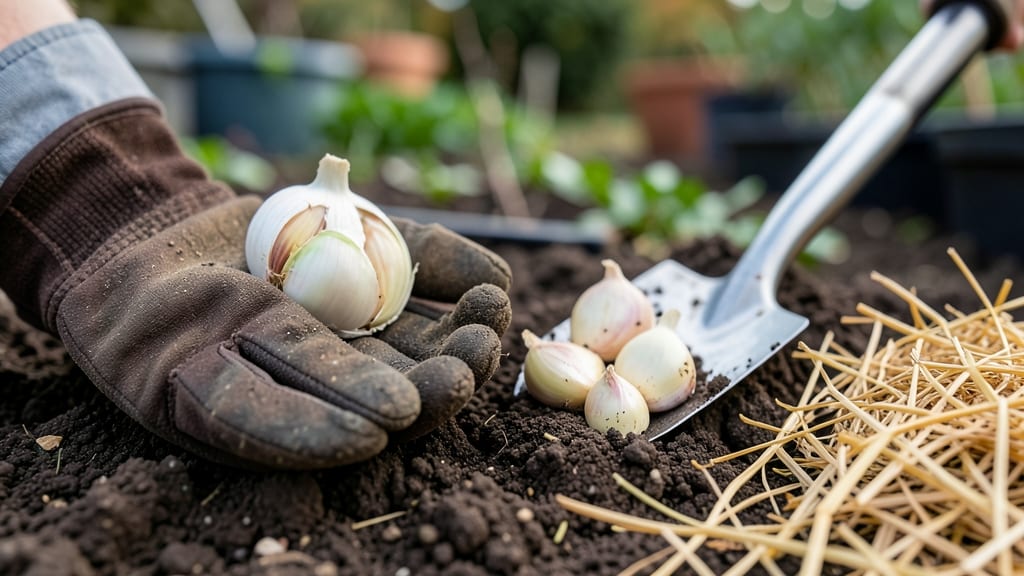
If you've ever wondered when to plant garlic bulbs in Zone 5, timing is everything—especially for hardneck varieties that need a cold winter to form those prized cloves. Plant too early, and your 🧄 might sprout prematurely; too late, and frost could ruin your chances entirely.
Here's the secret: Zone 5 gardeners have a 4-6 week window in fall (October-November) to get bulbs in the ground before the soil freezes. This cold stratification period is what transforms those cloves into robust plants ready to harvest next summer.
But what happens if you miss the window? Or if your area gets an early frost? I’ll show you how to adjust for your specific climate, whether you're in Chicago, Pittsburgh, or somewhere in between. Let’s make sure your garlic gets the perfect start.
From soil prep to overwintering tips, you’ll learn exactly how to set up your garlic for success—so you can enjoy that first harvest in mid-summer. Ready to grow bigger, healthier bulbs? Let’s dig in.
Best fall planting window for garlic in Zone 5 (with exact dates)
For Zone 5 gardeners, timing garlic planting is all about beating the first hard frost while giving bulbs time to root before winter. The ideal window is 4-6 weeks before ground freeze, typically between mid-October and early November.
This cold stratification period is critical for hardneck varieties—they need winter chill to form bulbs.
In northern Zone 5 (e.g., Chicago, Detroit), aim for October 15-30 to ensure bulbs establish roots before soil freezes. In southern Zone 5 (e.g., Pittsburgh, Cincinnati), you can extend planting until early December, as milder winters delay frost.
Use soil temperature as your guide: plant when temps consistently drop to 40-50°F at night. A soil thermometer helps avoid planting too early, which can cause premature sprouting or frost damage. If your area has unpredictable frosts, err on the earlier side of the window.
🌱
📅 Zone 5 Garlic Planting Timeline
| Region | Ideal Planting Window | Soil Temp Goal | Moon Phase Tip |
|---|---|---|---|
| Northern Zone 5 (Chicago, Detroit) | October 15–30 | 40–50°F | Plant near waxing moon for stronger roots |
| Southern Zone 5 (Pittsburgh, Cincinnati) | October 30–November 15 | 45–55°F | Avoid full moon—plant during dark moon for slower growth |
| All Zone 5 | Last chance: December 1 (if mild) | Above freezing | Use row covers to protect young plants |
⏰ Pro Tip: Check your last frost date (usually mid-November in Zone 5) and count back 6 weeks.
If you miss the fall window, spring planting is possible but yields are 50% smaller for hardnecks. Plant in early spring (March-April) only if you’re growing softneck varieties, which are more forgiving. For hardnecks, fall is non-negotiable—they require winter chill to form bulbs.
For extra insurance, plant a test row 2 weeks before your target date. If sprouts emerge, cover them with straw mulch to protect from early frosts. This lets you adjust timing for your specific microclimate.
🌡️
Remember: Garlic bulbs need cold to trigger bulb formation. If your winter is too mild (e.g., 30°F or above for weeks), consider chilling bulbs in the fridge for 6 weeks before planting or use black plastic mulch to simulate winter conditions.
Once planted, mulch heavily (4–6 inches of straw) to insulate bulbs through winter. This prevents heaving (bulbs pushing out of the soil) and ensures consistent growth. In spring, remove mulch when shoots emerge (late April in Zone 5).
How to adjust planting time for hardneck vs. softneck garlic in Zone 5
Zone 5 gardeners have a critical choice when selecting garlic varieties: hardneck vs. softneck. While both thrive in Zone 5, their planting windows and chill requirements differ dramatically. Hardnecks—like Rocha or German Red—are the gold standard for Zone 5 because they require winter chill to form bulbs.
Softnecks, such as Silverskin, are more flexible but won’t reach full potential without proper timing.
For hardneck garlic, fall planting is non-negotiable. These varieties need 4-6 weeks of cold temperatures (32-40°F) to trigger bulb formation. Planting in spring results in tiny, weak bulbs—often just a few cloves instead of the full head.
If you miss the fall window (typically October-November), your only option is to plant softnecks in spring, but yields will be 30-50% smaller.
🌱
🔍 Hardneck vs. Softneck Garlic: Planting Showdown
- ✅ Best for Zone 5
- ✅ Must plant in fall (Oct-Nov)
- ✅ Larger bulbs with scapes
- ❌ Poor spring yields (tiny bulbs)
- ✅ Spring planting works (March-April)
- ✅ Stores longer (braiding-friendly)
- ❌ Smaller bulbs in Zone 5
- ❌ No scapes (less flavor)
💡 Zone 5 Tip: If you love hardneck scapes, plant 2 rows—one in fall (for bulbs) and one in early spring (for scapes only).
If you’re late planting hardnecks (e.g., December in mild Zone 5), don’t panic—just add insulation. Use black plastic mulch or straw bales to keep soil temps above freezing.
This extends the window by 2-3 weeks but may reduce bulb size. For extreme late plantings, consider container growing in a cold frame to control soil temps.
For spring planting, softnecks are your only viable option. Plant March 15-April 15 in Zone 5, but expect smaller bulbs (often just 3-5 cloves instead of 10+).
To maximize success, pre-chill bulbs for 6 weeks in the fridge (35-40°F) before planting. This mimics winter chill and boosts bulb formation by 20-30%.
🌡️
One common mistake is assuming all garlic is created equal. Hardnecks dominate Zone 5 because they adapt to cold, while softnecks struggle with short growing seasons. If you’re growing for culinary use, prioritize hardnecks like 'Music' or 'Chesnok Red'.
For long-term storage, softnecks like 'Artichoke' are better—but they won’t thrive if planted in fall without chill.
Pro hardneck growers swear by fall planting because it guarantees larger bulbs and scapes (those flavorful garlic stems). If you’re new to garlic, start with hardnecks—they’re forgiving once established and reward patience with bold flavor and plump cloves.
For Zone 5’s unpredictable winters, always have a backup plan: extra mulch, row covers, and a test row to fine-tune timing.