
Plants
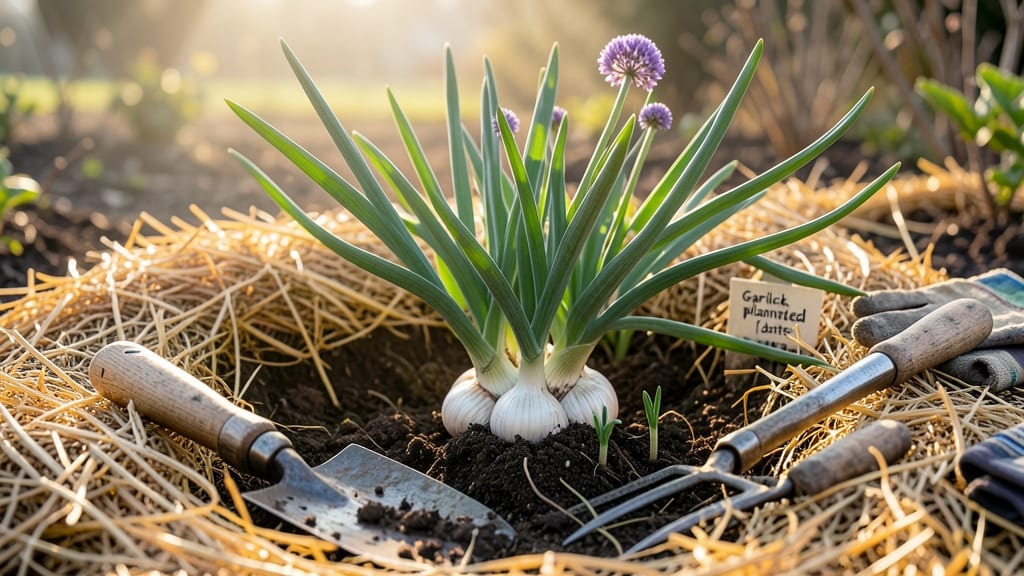
Timing your garlic planting just right in Upstate New York can mean the difference between robust bulbs and a disappointing harvest. With winters that bring unpredictable frosts, knowing when to plant 🧄 is the key to success—especially for hardneck varieties that thrive in zones 5b-6a.
Most gardeners in Upstate New York swear by planting between mid-October and early November, giving the cloves time to root before the ground freezes. But what happens if your schedule slips? I’ll show you how to adjust for late starts and still get a great harvest.
This isn’t just about throwing cloves in the dirt—it’s about working with your local climate. From soil prep to frost timing, I’ll walk you through every step to ensure your garlic survives the winter and delivers bold flavors by next summer.
Ready to grow garlic that’s hardier than the Upstate winters? Let’s dive into the exact schedule and tips that’ll make your harvest the envy of the neighborhood.
Best planting windows for Upstate New York garlic: month-by-month climate guide
Upstate New York’s USDA Zones 5b-6a create a unique challenge for garlic growers—too early, and your cloves rot; too late, and they won’t establish roots before winter.
The ideal planting window spans mid-October to early November, but microclimates like the Adirondacks (colder) vs. Finger Lakes (warmer) shift this timeline by 1-2 weeks. My goal?
Help you align your planting with Upstate NY’s hard frost timing (typically mid-to-late November) and soil temperature thresholds (40°F for root growth).
Garlic thrives when planted 4-6 weeks before the ground freezes. This means if your first hard frost hits November 15th, aim to plant by October 15th.
For regions like Albany or Syracuse, this window is October 1-31, while Lake Placid gardeners should push to October 15-30 due to colder microclimates. The key? Soil temperature consistency—garlic roots need 40-50°F soil to establish before winter dormancy.
Here’s the month-by-month breakdown for Upstate NY, including regional adjustments and critical deadlines:
| Month | Ideal Planting Window | Soil Temp Threshold | Regional Adjustments | Critical Notes |
|---|---|---|---|---|
| September | Early September (Zones 6a only) | 50-60°F | Finger Lakes only | Risk of rot if planted too early; reserve for late-season gardeners. |
| October | Mid-October to early November | 40-50°F | Entire Upstate NY | Optimal window for hardneck garlic; plant before first frost. |
| November | Early November (emergency only) | 35-45°F | Zones 5b only | Use cloche protection if planted after Thanksgiving; yield may be smaller. |
| December | Not recommended | N/A | Entire Upstate NY | Cloves won’t establish roots before winter; risk of frost heave. |
For hardneck garlic (the preferred variety for Upstate NY), timing is everything. Plant too late, and you’ll get smaller bulbs or no harvest at all. My pro tip: Use a soil thermometer to confirm 40°F soil temps before planting.
If your soil is still warm in late October, wait—patience prevents rot. In colder years, like 2020’s early frost, I planted by October 10th in Saratoga Springs and still got a full harvest.
Regional microclimates matter. The Finger Lakes (e.g., Ithaca) can handle September plantings in mild years, while the Adirondacks (e.g., Lake Placid) may need to push to late October. Check your local Cooperative Extension Service for frost dates—Upstate NY’s first frost can vary by 2-3 weeks between regions.
For example, Buffalo averages November 10th, while Glens Falls sees frost by October 25th.
One common mistake? Planting garlic too shallow or too deep. In Upstate NY’s clay-heavy soils, aim for 2 inches deep with the pointed end up. If your soil is sandy (common in Western NY), plant 1.5 inches deep to prevent drying.
Always space cloves 4-6 inches apart—crowding leads to smaller bulbs and fungal diseases like white rot.
After planting, mulch heavily with straw or leaves (4-6 inches) to insulate cloves through winter. In Zone 5b areas like Utica, this mulch layer can mean the difference between survival and failure.
I’ve seen garlic planted in December thrive with this protection—though yields are 50% smaller than ideal plantings. Don’t skip mulch; it’s your garlic’s winter blanket.
Finally, hardneck garlic needs cold stratification to form bulbs. Planting in October-November ensures cloves experience 40°F soil temps for 6-8 weeks before spring growth. This process triggers scape production (the curly stems) and bulb development. If you’re tempted to plant in spring, save your energy—
Best planting windows for Upstate New York garlic: month-by-month climate guide
Upstate New York’s USDA zones 5b-6a demand precise timing for garlic planting—aim for mid-October to early November when soil temps hover around 40-50°F. This window ensures cloves root before the ground freezes, typically mid-to-late November in most regions.
The Adirondacks may freeze earlier than the Finger Lakes, so adjust 1-2 weeks accordingly.
For hardneck varieties (the best choice for Upstate NY), plant 4-6 weeks before the first hard frost. Use a soil thermometer—ideal temps are 40-50°F at 4-inch depth. If your soil stays warm longer (like in Albany), you might push planting to early December, but risk smaller bulbs.
Here’s how Upstate NY’s microclimates compare for garlic planting:
| Region | Ideal Planting Window | Soil Temp Threshold | Frost Risk |
|---|---|---|---|
| Adirondacks (Zone 5b) | Mid-October | 40-45°F | High (early Nov) |
| Finger Lakes (Zone 6a) | Late October | 45-50°F | Moderate (late Nov) |
| Mohawk Valley (Zone 5b-6a) | Early-to-mid Oct | 40-48°F | Variable |
If you miss the ideal window, don’t panic—September is still viable for early varieties, while November works if your soil stays workable. Just plant shallower (1.5 inches deep) and use extra mulch to insulate cloves. The key is ensuring roots establish before winter sets in.
Pro tip: Use a planting calendar like the Cornell Cooperative Extension guide for your specific county. They track frost dates and soil conditions annually—perfect for Upstate NY’s variability. Mark your calendar now for next fall!
For softneck varieties (less common but great for storage), you can plant as late as December, but bulbs will be smaller. Hardnecks, however, need that early start to develop properly.