
Trees
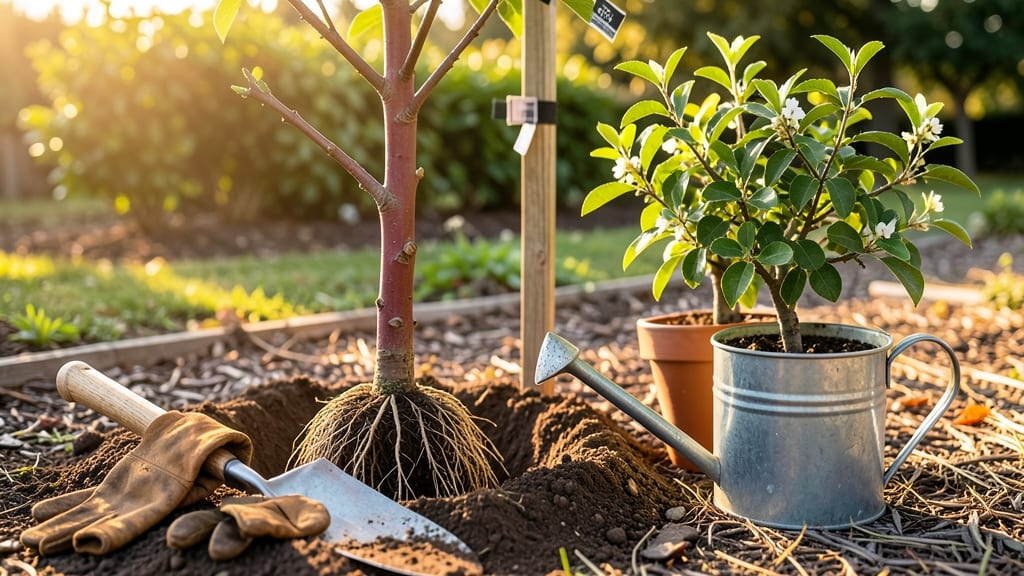
Timing your fruit tree planting in New Zealand can make or break your harvest—get it right, and you’re rewarded with bountiful 🍎 trees; get it wrong, and frost or heat stress could ruin your efforts before they even begin.
Most gardeners know spring is ideal, but the exact window depends on your region’s frost-free dates and soil temperature. Whether you’re in the warmer North Island or cooler South Island, planting between June and September gives young trees the best shot at establishing strong roots before summer heat arrives.
Citrus and stone fruits need warmer soil (10–15°C) to thrive, while apples and pears are more forgiving. I’ll break down the best months for each type, plus how to use NIWA’s frost data to avoid common mistakes that derail even the most eager gardeners.
Ready to plant with confidence? Let’s dive into the soil temperature secrets and frost-free zone tricks that’ll set your fruit trees up for success—no guesswork required.
New Zealand’s best planting months by fruit tree type
New Zealand’s diverse climate means planting fruit trees isn’t a one-size-fits-all task. The North Island enjoys warmer winters, while the South Island faces harsher frosts—so timing matters. For most fruit trees, aim for autumn to early spring (March–September) when soil temperatures sit between 10–15°C.
Citrus, however, thrives in warmer coastal zones like Auckland or Nelson, where planting can extend into late winter.
Apples and pears prefer cooler regions (e.g., Hawke’s Bay, Canterbury) and should go in the ground by late winter (August) to avoid spring frosts. Stone fruits like peaches and plums need frost-free soil—plant them in September–October in the North Island or October–November in the South Island.
Berries like blueberries and raspberries are more flexible but still benefit from spring planting (September–October) for established root systems.
🌱
| Fruit Type | Ideal Planting Months (NZ) | Soil Temp Requirement | Notes for NZ Growers |
|---|---|---|---|
| Apples & Pears | June–August (bare-root) or September–October (container) | 10–15°C | Avoid frost-prone areas; use dwarf varieties for smaller gardens. |
| Citrus (Lemons, Oranges) | September–November (coastal zones only) | 15–20°C | Grow in containers in colder regions; protect from frost. |
| Stone Fruits (Peaches, Plums, Cherries) | September–October (North Island) or October–November (South Island) | 12–18°C | Choose late-blooming varieties to avoid spring frosts. |
| Berries (Blueberries, Raspberries) | September–October (spring) | 10–14°C | Acidic soil (pH 4.5–5.5) is critical for blueberries. |
| Avocados | September–November (North Island only) | 18–22°C | Requires frost-free growing conditions; grow in containers if needed. |
For bare-root trees, the dormant season (June–August) is ideal—they establish roots before spring growth. Container-grown trees, however, can be planted year-round (except in extreme heat or frost), giving you more flexibility.
If you’re in a microclimate (e.g., a sheltered valley or coastal area), you might extend planting by a month or two—just monitor soil warmth and frost forecasts.
🌿
One trick I use is to plant citrus and avocados in containers during winter, then move them outdoors in November when temperatures rise. This protects them from unexpected frosts while still giving them a head start.
For apple and pear trees, I recommend planting in late winter (August) so roots can establish before the first flush of spring growth—this reduces transplant shock and improves fruit yield.
If you’re in the South Island, where frosts linger longer, aim to plant stone fruits by October to avoid late-season chills. In warmer North Island regions like Auckland or Bay of Plenty, you can push planting into November for slower-growing varieties like figs or persimmons.
Always check NIWA frost data for your specific area—it’s a game-changer for avoiding frost damage.
🍎
Pro tip: If you miss the ideal window, don’t panic. Container-grown trees can often be planted in late autumn (April–May) as long as you protect them from frost with frost cloth or a polytunnel.
Just be prepared for slower initial growth. For bare-root trees, though, timing is critical—planting them outside their dormant period can stress the tree and reduce survival rates.
Finally, consider your local climate zone. For example, Hawke’s Bay has a longer growing season than Central Otago, so
How to check soil temperature and frost-free dates for your region
New Zealand’s diverse climate means your ideal planting window depends on local frost dates and soil warmth. Unlike the Northern Hemisphere, NZ’s seasons are reversed, so fruit trees should go in the ground when soil temps hit 10–15°C—typically late winter to early spring.
But how do you know when that is for your exact location?
First, check NIWA’s frost maps (available on their website) to find your region’s last frost date. For example, Hawke’s Bay usually sees its last frost around July 15, while Central Otago can linger until August 15. Planting too early risks frost damage to tender new roots.
Next, use a garden planning app like Gardenate or PlantLink NZ to input your postcode. These tools provide region-specific planting windows based on frost-free zones. For instance, Northland may be ready by June, while Southland might need to wait until September.
Adjust for microclimates—coastal areas warm faster than inland spots. If you’re unsure, opt for container-grown trees, which can be planted 1–2 months earlier since their roots aren’t as exposed to cold soil. Just ensure the pot’s drainage holes won’t freeze in winter.
For citrus trees, which are frost-sensitive, delay planting until soil temps stay above 15°C consistently. In Auckland, this might be September, but in Christchurch, wait until October. Always monitor 7-day forecasts for late frosts—NIWA’s seasonal outlooks are a great resource.
Finally, test your soil’s drainage before planting. Poor drainage in winter can suffocate roots. Dig a 30cm hole, fill it with water, and time how long it takes to drain. If it’s slower than 2 hours, amend with organic matter like compost or sand.