
Flowers
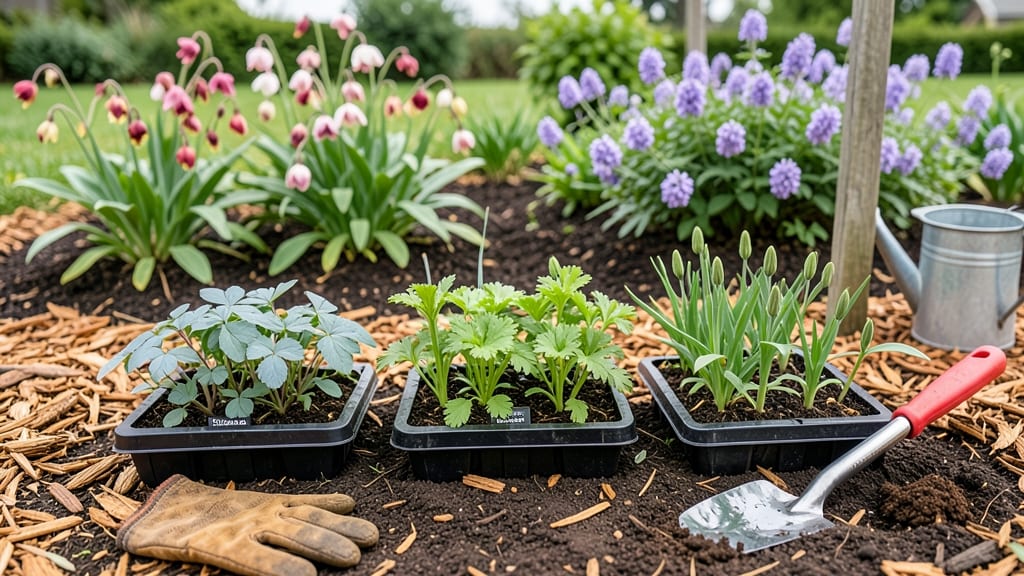
Timing your flower planting in New England can mean the difference between a garden bursting with color and one that never quite takes off. With frost dates shifting unpredictably from Zone 5a to 6b, knowing exactly when to plant your 🌸 flowers is the key to a showstopping season.
Most gardeners make the mistake of rushing too early, only to watch their tender blooms wilt under late frosts. But there's a sweet spot—late April through early June for spring bloomers and August to September for fall favorites—that aligns perfectly with New England's climate patterns.
In this guide, I'll break down the exact planting windows for your favorite annuals, perennials, and bulbs, plus pro tips to extend your blooming season. Whether you're a first-time gardener or a seasoned pro, you'll learn how to time your plantings like a local expert.
Ready to transform your garden into a year-round floral masterpiece? Let's get started with the perfect planting schedule for your zone.
New England planting zones: when to plant flowers by hardiness Zone
New England spans USDA Zones 3-7, meaning frost dates vary dramatically from coastal Maine to inland Vermont. Understanding your specific zone helps you avoid late-spring frosts that can devastate tender blooms.
For example, Zone 3 (northern Maine) has a last frost around May 15, while Zone 7 (southern Connecticut) sees frost-free conditions by April 20. Coastal areas like Portland, ME also experience milder microclimates due to ocean influence.
To pinpoint your planting window, check your local last frost date—most New Englanders can count on mid-May as a safe bet for annual flowers. However, perennials and bulbs can often handle earlier planting, as they establish roots before blooming.
For instance, tulip bulbs should be planted in fall (October-November), while marigolds thrive when sown directly after the last frost.
Here’s a quick guide to New England’s frost-free periods by zone, including adjustments for coastal vs. inland regions:
| Zone | Last Frost Date | First Frost Date | Best Planting Window | Notes |
|---|---|---|---|---|
| 3 (Northern ME, NH) | May 15–20 | September 20–25 | Late May–Early June (annuals); Fall (bulbs) | Shortest growing season; prioritize hardy perennials. |
| 4 (Central ME, VT, NH) | May 1–10 | September 30–October 5 | Early May–Mid-June (annuals); August (fall bloomers) | Cooler summers; extend season with row covers. |
| 5 (Western MA, RI, CT) | April 25–May 5 | October 10–15 | Mid-April–Early June (annuals); Late July (fall) | Longer season; coastal areas plant 1–2 weeks earlier. |
| 6 (Southern CT, Long Island) | April 15–20 | October 20–25 | Late April–Early June (annuals); August–September (fall) | Warmest zone; heat-tolerant flowers thrive. |
| Coastal Adjustment | 1–2 weeks earlier | 1–2 weeks later | Extend season by 3–4 weeks | Ocean breezes delay frost; ideal for late-summer bloomers. |
For coastal gardeners, like those in Portland or Boston, the ocean’s moderating effect can push your planting window 1–2 weeks earlier in spring and delay the first frost by the same margin.
This is why dahlias and zinnias, which need warmth to thrive, often perform better near the shore. Inland areas, however, should wait until after May 10 to avoid surprise frosts.
Another critical factor is soil temperature. Most flower seeds won’t germinate until soil reaches 50–60°F. Use a soil thermometer to check—if it’s cooler, wait or use row covers to warm the soil.
For example, petunias and geraniums prefer warmer soil (60°F+) and should only be planted after May 15 in most of New England.
If you’re planting bulbs in fall, like tulips or daffodils, aim for 6–8 weeks before the ground freezes. In Zone 5–6, this means mid-October. The cooler soil helps bulbs establish roots before winter dormancy. For spring-planted bulbs (like <
Best flowers to plant by season in New England (with exact timing)
Timing is everything when planting flowers in New England, where last frost dates can vary by 10 days or more between zones.
For annuals, wait until after your average last frost date—typically mid-May in Zone 5a and late April in Zone 6b. Perennials, however, can handle cooler soil and often thrive when planted in early spring (April) or early fall (September).
Bulbs like tulips and daffodils are the exceptions—they need chilling in winter and should be planted in fall (October) for spring blooms. Meanwhile, heat-loving annuals like marigolds and zinnias can wait until late May or early June to avoid late-spring frosts.
For container gardening, you can push boundaries—tender annuals like begonias or impatiens can start indoors in March and move outside after last frost. Just be ready to bring them in if temperatures dip below 50°F at night.
Pro tip: Use row covers or cold frames to extend your spring planting window by 2-3 weeks for heat-sensitive annuals like tomatoes or peppers (yes, they’re flowers too!). This trick works wonders for Zone 5a gardeners eager to beat the frost.
Remember, New England’s microclimates matter! Coastal areas (Zone 6b-7a) can plant 2 weeks earlier than inland spots (Zone 5a-5b). Always check your local frost dates—they’re your garden’s GPS!