
Plants
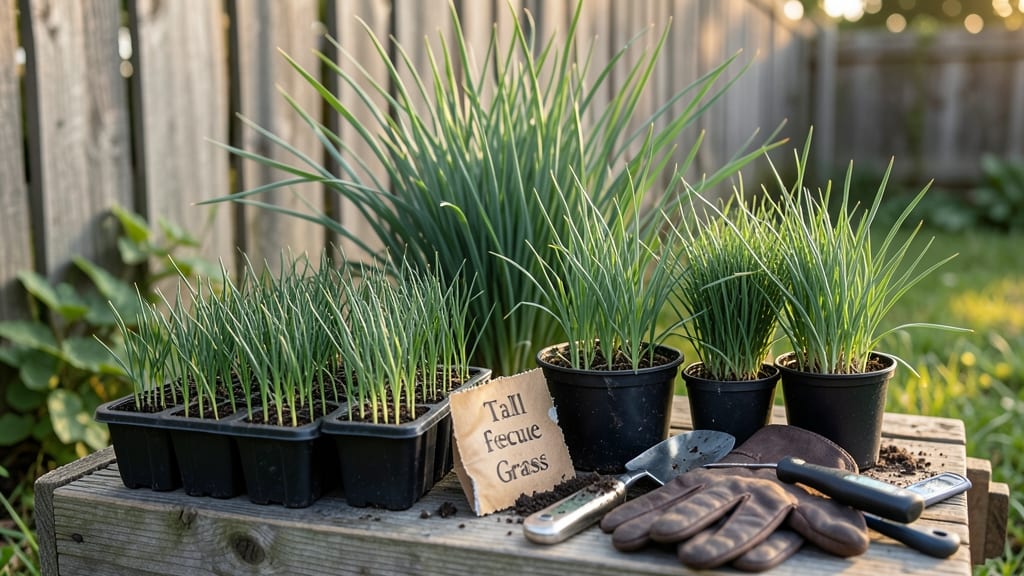
If you're dreaming of a thick, green 🌱 fescue lawn in South Carolina, timing your planting could make all the difference between success and struggle. Planting fescue at the wrong time—like smack dab in the middle of summer heat—means watching your seeds fry before they even sprout.
Here's the secret: the ideal window for planting fescue in South Carolina (zones 7b-8a) is actually late summer to early fall, when temperatures start cooling down. This gives your grass 4-6 weeks to establish strong roots before winter sets in, setting you up for a lush lawn next spring.
But why does this matter so much? Because fescue is a cool-season grass, and planting it when the mercury rises means battling drought stress and weak germination.
I'll walk you through exactly when to plant, what to watch for in your local climate, and how to prep your soil for maximum success.
Whether you're seeding a new lawn or overseeding an existing one, getting this timing right could save you hours of work (and money!) down the road. Let's dive into the best months to plant fescue in South Carolina and how to make your lawn the envy of the neighborhood.
Best months to plant fescue grass in South Carolina for optimal root establishment
South Carolina’s humid subtropical climate creates a unique challenge for fescue grass—planting too early means battling summer heat stress, while planting too late risks weak root growth before winter dormancy.
The ideal window for fescue in SC is late summer to early fall, when temperatures cool slightly and rainfall remains consistent.
Fescue thrives as a cool-season grass, meaning it establishes roots best when daytime highs stay below 85°F and nights dip into the 60s°F. In South Carolina’s USDA zones 7b-8a, this typically translates to August through October, with September being the absolute sweet spot for most regions.
For Upstate SC (higher elevations), you can push planting into early October since cooler mountain air arrives sooner. Meanwhile, Coastal areas should aim for mid-August to early September to avoid late-season humidity and hurricane risks that can delay germination.
Here’s why timing matters: Fescue needs 4-6 weeks of warm soil (60°F+) to germinate properly. Planting in July is possible in cooler microclimates, but expect slower growth and higher water needs. Conversely, planting after mid-October risks weak roots before winter dormancy sets in.
| Planting Window | Temperature Range | Soil Temp | Rainfall Needs | Root Growth |
|---|---|---|---|---|
| Late August | 75-85°F (day) | 60-65°F | 1-1.5" weekly | Moderate (4-5 weeks) |
| September | 70-80°F (day) | 65-70°F | 1-2" weekly | Optimal (5-6 weeks) |
| Early October | 65-75°F (day) | 60-65°F | 0.75-1.25" weekly | Good (4-5 weeks) |
| ⚠️ Avoid Planting: Late July (heat stress), November (frost risk) | ||||
Moisture is the second critical factor after temperature. Fescue seeds need consistent soil moisture to germinate, but South Carolina’s summer downpours can lead to runoff or waterlogging. Aim for 1-2 inches of rainfall weekly or use drip irrigation to maintain even moisture without over-saturating the soil.
If you’re planting in sandy soils (common in Coastal SC), increase watering frequency to every 3-4 days until germination occurs. Conversely, clay-heavy soils (Piedmont region) may require less frequent but deeper watering to prevent compaction.
Pro tip: Test your soil’s moisture retention before planting. Dig a 6-inch hole, fill it with water, and time how long it takes to drain. If water pools after 24 hours, your soil drains too slowly—amend with compost or perlite to improve aeration.
For overseeding existing lawns, late August is ideal because established grass provides shade for new seedlings. If starting from scratch, early September gives fescue enough time to establish before winter rains arrive. Just remember: never plant fescue in winter—it won’t germinate in cold soil.
One common mistake I see in SC gardens is planting fescue in June or early July when temperatures exceed 90°F. The seeds either bake in the heat or sprout too quickly, leading to weak, shallow roots that can’t handle summer’s intensity.
Always check the 7-day forecast before planting—aim for 3+ days below 85°F.
To maximize success, pair your planting timeline with a pre-emergent herbicide application 2-3 weeks before seeding. This prevents weeds from competing for nutrients during the critical first 4 weeks of growth. Just be sure to choose a grass-specific herbicide like pendimethalin, which is safe for fescue once established.
Finally, consider your mowing schedule after planting. Wait until the new grass reaches 3-4 inches tall before mowing, and never remove more than ⅓ of the blade height at once. This ensures the roots stay strong enough to support new growth as winter approaches.
Best months to plant fescue grass in South Carolina for optimal root establishment
South Carolina’s humid subtropical climate demands precise timing for fescue grass planting. The ideal window spans from late summer to early fall, specifically August through October, when temperatures cool and rainfall remains consistent.
This timing allows roots to establish before winter dormancy, ensuring a thicker, more resilient lawn by spring.
Fescue thrives as a cool-season grass, meaning it struggles under summer heat stress. Planting in August or early September gives seeds 6-8 weeks of warm soil and moderate temperatures to germinate before cooler fall air arrives.
Avoid planting in June or late October, as extreme heat or frost can stunt growth.
Here’s why August is prime time: soil stays warm enough for germination (ideal range: 60-75°F) while afternoon humidity reduces water stress. Late September plantings still work if followed by consistent watering, but expect slower early growth compared to August starts.
| Planting Window | Temperature Range | Soil Prep | Watering Needs |
|---|---|---|---|
| Late August | 70-80°F | Loosen top 2-3" | Deep watering daily |
| Early September | 65-75°F | Add compost | Every other day |
| October (early) | 60-70°F | Test pH (6.0-7.0) | 3x weekly |
For best results, aim to plant 4-6 weeks before South Carolina’s average first frost date (typically mid-November). This gives seedlings time to develop 3-4 inches of roots before dormancy. In USDA Zones 7b-8a, this translates to late August to early October plantings.
If you miss the fall window, late winter (February) is a secondary option—but expect slower germination due to cooler soil. Always avoid spring planting (March-May), as fescue competes poorly with weeds and summer heat stress during establishment.
Pro tip: Use a seed starter fertilizer (low nitrogen) at planting to boost early growth without burning tender seedlings. Follow up with 1/2 cup of 10-10-10 per 100 sqft in 6-8 weeks to strengthen roots before winter.