
Vegetables
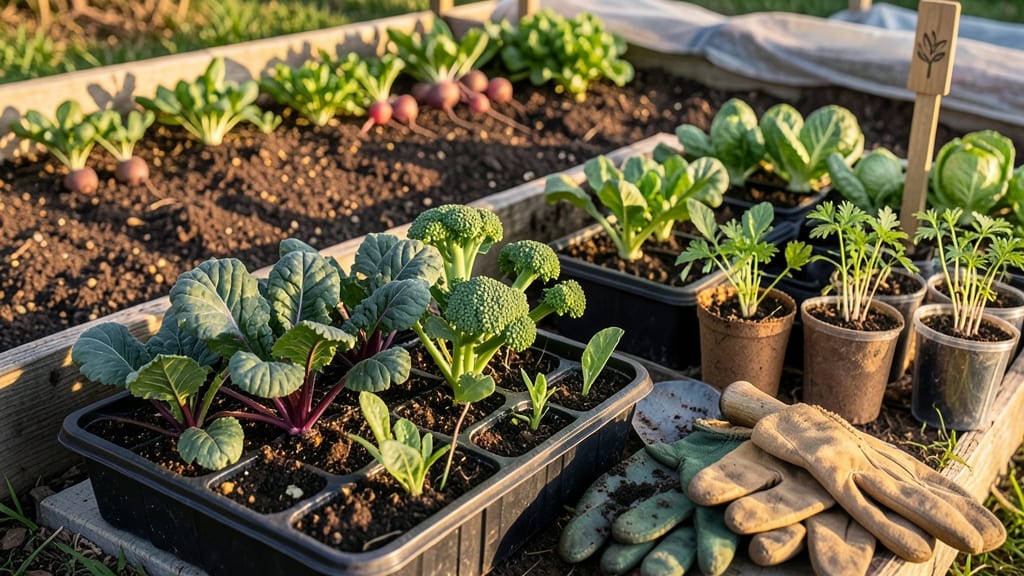
Timing your fall vegetable planting in Zone 5 isn't just about throwing seeds in the dirt—it's the difference between a thriving harvest and wasted effort. Miss the window by even a few weeks, and you'll end up with bitter greens or stunted roots before frost hits.
I've learned the hard way that Zone 5's short growing season demands precision, especially when cool-season crops like kale and spinach need just the right conditions to flourish.
The key lies in knowing exactly when to plant based on your first frost date—typically around October 15-20—so you can maximize your garden's potential.
What if I told you that planting 6-8 weeks before frost for leafy greens and 8-10 weeks for root vegetables could transform your fall harvest? That's the secret many gardeners overlook, and I'm here to share the exact strategies that work.
Whether you're a beginner or a seasoned gardener, these insights will help you avoid common mistakes and get the most out of your fall planting. Let's dive in and make sure your garden delivers a bountiful autumn harvest.
Exact weeks before first frost to plant fall vegetables in Zone 5
Zone 5 gardeners have a narrow but productive window to plant fall vegetables—typically between mid-August and mid-September. The key is calculating weeks before your first frost date (usually October 15–20 in Zone 5) and matching each crop to its maturity timeline.
Planting too early risks bolting (bitter greens) or stunted growth, while late planting may leave crops vulnerable to frost before harvest.
For example, leafy greens like spinach need 45–60 days to mature, so they should go in 6–8 weeks before frost (around September 1–15). Meanwhile, root crops like carrots (60–70 days) or broccoli (70–90 days) need an earlier start—8–10 weeks before frost (mid-to-late August).
Understanding these timelines ensures a harvest before hard frost (28°F or below).
Here’s how to calculate your personal frost dates: 1. Check your local last frost average (use the USDA Plant Hardiness Zone Map or a frost calendar for your specific Zone 5 region).
- Subtract the days to maturity for your chosen crop from the frost date.
- Plant on the resulting date (or sow seeds indoors 4–6 weeks earlier for transplants).
Pro tip: Use succession planting—sow small batches every 2 weeks—to stagger harvests and avoid glut. For instance, plant radishes (30 days) every 10 days in late August for a continuous harvest through October.
🌱
| Vegetable | Days to Maturity | Weeks Before Frost | Planting Window (Zone 5) | Notes |
|---|---|---|---|---|
| Spinach | 45–60 | 6–8 | Sep 1–15 | Bolt-resistant varieties preferred |
| Kale | 50–60 | 7–8 | Aug 25–Sep 10 | Sweeter after light frost |
| Carrots | 60–70 | 8–9 | Aug 10–25 | Loose, rocky soil required |
| Broccoli | 70–90 | 9–10 | Aug 1–15 | Start indoors 4–6 weeks early |
| Radishes | 25–30 | 4–5 | Sep 1–25 | Sow every 2 weeks for succession |
| Green Beans | 50–60 | 7–8 | Aug 25–Sep 10 | Warm soil needed; use black plastic mulch |
Regional variations within Zone 5 can shift these dates by 1–2 weeks. For instance, northern Zone 5 (e.g., Chicago) may need to plant 1–2 weeks earlier than southern Zone 5 (e.g., St. Louis). Always adjust for your microclimate—low-lying areas frost earlier, while hillsides stay warmer longer.
Soil temperature also plays a critical role. Most fall vegetables thrive in soil between 60°F and 70°F at planting. Use a soil thermometer to confirm
Best fall vegetables for Zone 5 and their planting windows
Fall gardening in Zone 5 is all about timing—choosing the right cool-season crops and planting them at the perfect moment to avoid bitter greens or frost damage.
The key is selecting vegetables that thrive in cooler temperatures (40–70°F) and aligning their maturity dates with your first frost (typically October 15–20).
From leafy greens like spinach and kale to root vegetables like carrots and beets, each crop has a specific window for planting. For example, broccoli and cabbage need 70–90 days to mature, while radishes and lettuce can be ready in just 30–50 days.
Planting too early risks bolting (going to seed), while planting too late may leave you with stunted harvests.
Here’s a breakdown of the top fall vegetables for Zone 5, their ideal planting windows, and spacing tips to maximize your garden’s potential. Pair these with companion planting (like basil with tomatoes or carrots with onions) to deter pests and boost growth naturally.
🌱 Top Fall Vegetables for Zone 5
- 1. Kale – Plant 6–8 weeks before first frost (late July–early August). Thrives in cool weather; harvest outer leaves to encourage regrowth.
- 2. Spinach – Sow 4–6 weeks before frost (mid-August–early September). Prefers partial shade to avoid bolting in heat.
- 3. Carrots – Start seeds 8–10 weeks before frost (late July). Thin seedlings to 2–3 inches apart for straight roots.
- 4. Broccoli – Plant 70–90 days before frost (mid-July). Needs full sun and rich soil to prevent bitter flavors.
- 5. Radishes – Fast-growing! Sow 3–4 weeks before frost (late August–early September). Ready in 25–30 days.
- 6. Lettuce – Direct-seed 6–8 weeks before frost (late July–early August). Use row covers to protect from pests.
- 7. Beets – Plant 8–10 weeks before frost (late July). Harvest when roots reach 1–2 inches in diameter.
For succession planting, sow radishes and lettuce every 2 weeks after their initial planting date. This ensures a steady harvest and prevents overcrowding. Avoid planting cucumbers or beans in fall—they won’t mature before frost and may attract pests.
Pro tip: Use mulch (straw or leaves) to insulate soil and retain moisture. This is especially critical in Zone 5’s unpredictable fall weather, where temperatures can swing from 70°F to 40°F in a week. Mulch also suppresses weeds, giving your fall crops a competitive edge.
Remember, the goal is to harvest before hard frost (28°F or below). With the right crop selection and planting schedule, you’ll enjoy fresh, homegrown vegetables well into November—just in time for hearty soups and salads! 🥬🌿