
Plants
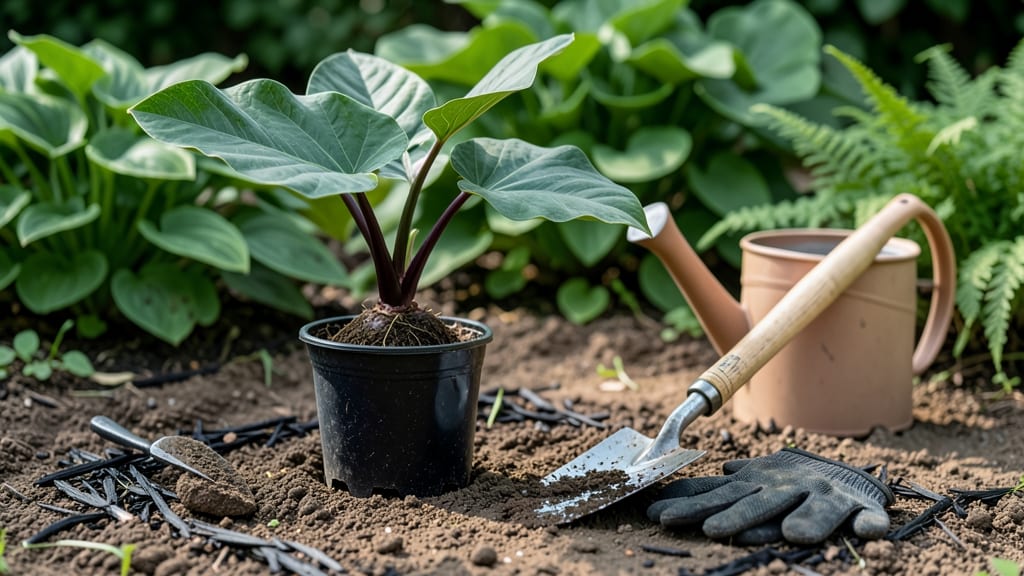
Timing your Elephant Ear 🌿 planting in Oklahoma can make or break your summer garden—because those stunning tropical leaves won’t wait for the perfect moment to grow. If you plant too early, a late frost could turn your dreamy foliage into a sad, mushy mess.
But get it just right, and you’ll enjoy lush, vibrant plants from mid-summer right through fall.
Oklahoma’s USDA zones 6b-7a mean you’ve got roughly mid-April to early May to get your Elephant Ears in the ground after the last frost.
That window might seem tight, but with the right prep—like warming up your soil and choosing the perfect spot—you can give your plants the head start they need to thrive. Let’s break down exactly how to nail this timing for maximum impact.
You might think container planting is just for small gardens, but in Oklahoma’s unpredictable climate, it’s actually a game-changer. Containers let you move your Elephant Ears to safety if frost sneaks up, and they warm up faster in spring.
Plus, they’re perfect for extending your growing season if you’re in a cooler zone. I’ll show you how to make the most of this flexible approach, whether you’re a seasoned gardener or just starting out.
Once you’ve got your timing locked in, the real fun begins—watching those massive, dramatic leaves unfurl and transform your yard into a tropical oasis. But here’s the thing: even the best-planted Elephant Ears need a little extra love to keep shining.
From soil prep to watering tips, I’ll walk you through every step to ensure your plants stay healthy and show-stopping all season long.
Oklahoma’s frost-free dates by hardiness Zone for planting elephant ears
Oklahoma spans USDA Hardiness Zones 6a-8a, and each zone has slightly different last frost dates that dictate when you can safely plant elephant ears (Colocasia). These tropical-looking plants thrive in warm soil and won’t tolerate even light frost, so timing is critical for their survival and growth.
In Zone 6a (northern Oklahoma), the average last frost date is April 15, while Zone 8a (southern Oklahoma) sees its last frost around March 15. This 4-week difference means gardeners in southern Oklahoma can plant 2-3 weeks earlier than those in the north.
For all zones, the soil temperature must reach at least 60°F (15.5°C) before planting. A soil thermometer is your best tool to confirm readiness—cold soil can stunt growth or even kill young plants.
Elephant ears are heat-loving annuals in Oklahoma, meaning they’ll die back with the first frost (typically mid-November). However, with the right preparation, you can extend their growing season and enjoy their dramatic foliage for months.
If you’re in Zone 7a or warmer, you can push the envelope by starting container-grown elephant ears indoors in late January. This gives you a 4-6 week head start on the season, but be prepared to harden off plants before transplanting outdoors after the last frost.
For gardeners in Zone 6a, waiting until mid-April is safer. Early planting risks can be mitigated by using black plastic mulch to warm the soil faster and protect young plants from late frosts.
Always check your local Oklahoma Mesonet or Almanac for real-time frost predictions—Oklahoma’s weather can be unpredictable, and a late frost in April isn’t unheard of in northern zones.
Once your soil is warm and frost-free, elephant ears grow quickly, often reaching 2-3 feet tall in just 6-8 weeks. Their dramatic foliage makes them a standout in shade gardens or as a tropical accent in mixed borders.
Pro tip: If you’re in Zone 7a or warmer, consider planting elephant ears in containers. This allows you to move them indoors or to a garage before the first frost, extending their lifespan by months.
Step-by-step planting timeline for Oklahoma gardeners
Timing your elephant ears planting in Oklahoma isn’t just about avoiding frost—it’s about giving your plants the perfect growing window to thrive. Since Oklahoma’s USDA Zones 6b-8a experience last frosts between mid-March and early May, your planting schedule should align with soil temperatures and local climate patterns.
Start by preparing your soil 4-6 weeks before your target planting date to ensure it’s rich and moist.
For northern Oklahoma (Zones 6b-7a), aim to plant after May 1 when soil temperatures consistently stay above 60°F. In central and southern Oklahoma (Zones 7b-8a), you can plant as early as mid-April, but always monitor local frost forecasts.
If you’re starting from tubers, begin indoors 6-8 weeks before your last frost date to give them a head start.
📅 Step-by-Step Planting Timeline
- March (Zones 7b-8a only): Start tubers indoors in pots with warm soil (70°F+).
- April (All Zones): Harden off indoor tubers 1 week before transplanting. Prep garden beds with compost.
- Mid-April to Early May: Plant tubers 2-3 inches deep in well-draining soil. Space 3-4 feet apart.
- May-June: Water deeply 2-3 times weekly. Apply mulch to retain moisture.
- July-August: Fertilize lightly with 10-10-10 every 6 weeks. Monitor for pests.
- September (Zones 7b-8a): Begin digging tubers before first frost. Store in dry peat moss.
One common mistake is planting too early in cooler zones, which can stunt growth or even kill young tubers. Use a soil thermometer to confirm temperatures are stable above 60°F before planting.
If you’re in Zone 6b, wait until after May 15 to be safe, as late frosts can still occur. For container gardening, you can extend your season by planting 2-4 weeks later than in-ground plants.
After transplanting, focus on consistent moisture—elephant ears wilt quickly in dry conditions. Water deeply in the morning to prevent fungal issues, and avoid overhead watering once leaves emerge.
In Oklahoma’s heat, expect to water daily during June-July unless you’re using mulch. A 3-inch layer of mulch around plants will lock in moisture and keep roots cool.
By late summer, your elephant ears should be established and thriving, but don’t forget to monitor for pests like slugs or spider mites. If you’re in Zone 8a, you might even get a second flush of growth if you plant late varieties in June.
Just remember: the key to success is patience and preparation—rushing the process can lead to disappointing results.
With this timeline, you’ll have bold, lush foliage from early summer through fall, making your garden the envy of the neighborhood. Happy planting! 🌿