
Plants
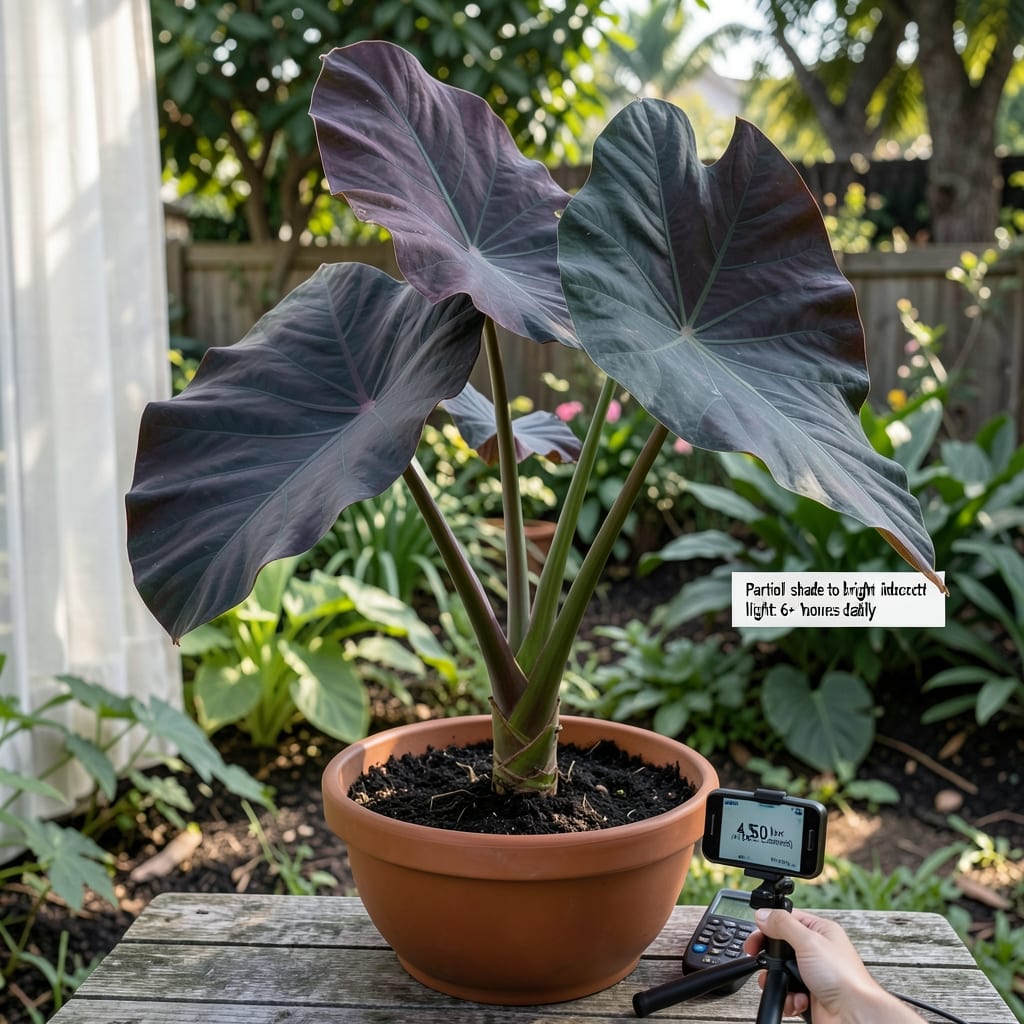
If you're wondering how much light does an elephant ear plant need, the answer is simpler than you might think—and getting it right could be the difference between a struggling plant and a stunning, healthy showstopper. These dramatic foliage stars thrive in conditions most gardeners overlook, and a little adjustment can transform your plant from wilted to vibrant.
Here's the truth: elephant ears crave bright, indirect light, but they despise harsh afternoon sun that can scorch their leaves. Whether you're growing them in zone 6a or indoors by a window, understanding their light needs is the key to lush, healthy growth all season long.
I'll show you exactly how much light your elephant ear needs—whether that's 4-6 hours of morning sun or filtered light through sheer curtains—and how to spot when you're giving them too much or too little.
Let's dive into the perfect lighting setup that'll have your elephant ear 🌿 looking like a showstopper in no time, with practical tips that work for both outdoor beds and indoor pots.

Elephant ear plant light requirements: ideal sunlight exposure for healthy growth
Elephant ear plants (Colocasia spp.) thrive with bright, indirect light, making them perfect for partial shade gardens or indoor spots near windows. Unlike sun-loving succulents, these tropical beauties reject harsh afternoon rays, which can scorch their lush foliage. Understanding their light spectrum needs is key to avoiding common mistakes like yellowing leaves or leggy growth.
The ideal light exposure for elephant ears falls between 4-6 hours of filtered sunlight daily, with morning sun being the safest option. Varieties like 'Black Stem' or 'Illustris' tolerate slightly more shade, while 'Pink Frost' may need a touch more brightness to maintain its striking variegation. Without proper light, your plant’s growth will slow dramatically, and its leaves may lose their vibrant colors.
| Variety | Light Needs | Signs of Stress |
|---|---|---|
| Colocasia (Elephant Ear) | 4-6 hrs filtered sun | Yellowing leaves, weak stems |
| Alocasia (Giant Taro) | 3-5 hrs indirect light | Pale foliage, slow growth |
| Variegated Types (e.g., 'Pink Frost') | 5-6 hrs bright indirect | Loss of color contrast |
For outdoor planting, position your elephant ear in a spot that receives morning sun and afternoon shade. A location under dappled tree canopy or near a north-facing wall works beautifully. In containers on patios, rotate the pot every few days to ensure even light distribution—this prevents lopsided growth and keeps leaves reaching upward healthily.
Indoors, place your plant within 3-6 feet of an east-facing window or use a grow light for 6-8 hours daily if natural light is insufficient. South-facing windows can work but require sheer curtains to diffuse the intensity. Avoid west-facing windows entirely, as the hot afternoon sun will quickly damage delicate leaves.
Watch for subtle signs of light stress: If leaves turn pale or develop yellow patches, your plant needs more light. Conversely, if the foliage darkens excessively or new growth appears stretched and weak, it’s receiving too much direct sun. Adjusting the plant’s position or adding a light-diffusing screen can often resolve these issues quickly.
In hot climates (Zones 8-10), provide afternoon shade during peak summer months to prevent leaf burn. Mulch the soil with organic matter to retain moisture and regulate temperature, which helps the plant handle fluctuating light conditions. Remember, these tropical plants hate heat stress combined with intense sunlight.
Seasonal adjustments are crucial: During spring and fall, when sunlight is gentler, you can gradually increase exposure. In winter, supplement with a full-spectrum grow bulb if your plant starts looking leggy. The goal is to mimic its natural understory habitat, where it thrives under a canopy of taller trees.
Pro tip: Use a light meter (or your phone’s light sensor app) to measure 1,000-3,000 foot-candles of light—this is the perfect range for elephant ears. If readings drop below 1,000 foot-candles, supplement with artificial light to prevent nutrient deficiencies that manifest as purple stems or weak growth.
Finally, remember that container size matters. Smaller pots dry out faster and may require more frequent watering, which can stress the plant if combined with improper light. Upgrade to a 10-12 inch pot for mature plants to give roots stability and improve light absorption efficiency.
🌿How to adjust light conditions for different elephant ear plant varieties
Adjusting light conditions for your elephant ear plant isn’t just about moving it from shade to sun—it’s about creating the perfect microclimate for each variety’s unique needs. Since Colocasia and Alocasia types respond differently to light, I’ll break down how to fine-tune their environments for maximum growth. Start by identifying your plant’s specific variety, as some like 'Mojito' thrive in lower light, while others like 'White Queen' demand brighter conditions to maintain their striking patterns.
For indoor growers, the key is window placement and light diffusion. East-facing windows provide the ideal gentle morning light without the harsh afternoon heat. If your space only has a south-facing window, hang a sheer white curtain to filter the intensity—this mimics the dappled light of their native understory. Avoid west-facing windows entirely, as the late-afternoon sun can cause leaf scorch within days. Pro tip: Rotate your pot quarter-turns weekly to prevent lopsided growth from uneven light exposure.
Outdoor adjustments require seasonal strategy. In spring and fall, when sunlight is less intense, you can gradually increase exposure by moving plants to slightly sunnier spots. But during peak summer (June-August), even partial sun can become too harsh—this is when shade cloth (30-50% coverage) becomes your best friend. For container gardens, choose light-colored pots to reflect excess heat, and always keep soil consistently moist (dry soil + bright light = stress).
For variegated varieties like 'Pink Frost' or 'White Stripe', you’ll need to boost light intensity slightly to maintain their color contrast. These plants often show reversion to green when light is insufficient—a clear sign they need more brightness. In these cases, supplement with a LED grow light (2,000-3,000 kelvin) for 4-6 hours daily. Position the light 12-18 inches above the plant to avoid leaf burn while providing the full-spectrum light they crave.
Don’t overlook humidity’s role in light adaptation. Elephant ears from tropical regions need 60-70% humidity to handle brighter light conditions. If your home is dry, pair your light adjustments with a pebble tray or humidifier—this helps prevent the crispy leaf edges that often accompany increased light exposure. In low-humidity zones (like desert climates), consider growing them in shadier spots with extra moisture to compensate.
Finally, remember that container size affects light absorption. Smaller pots dry out faster and may require more frequent watering, which can stress the plant if combined with high light levels. Upgrade to a 12-inch pot for mature plants to give roots the stability they need, especially in bright, indirect light. The larger root ball helps regulate moisture and temperature, reducing the risk of light-induced stress during hot afternoons.
With these adjustments, your elephant ear plant will thrive year-round—whether it’s basking in filtered morning sun or basking under artificial grow lights