
Plants
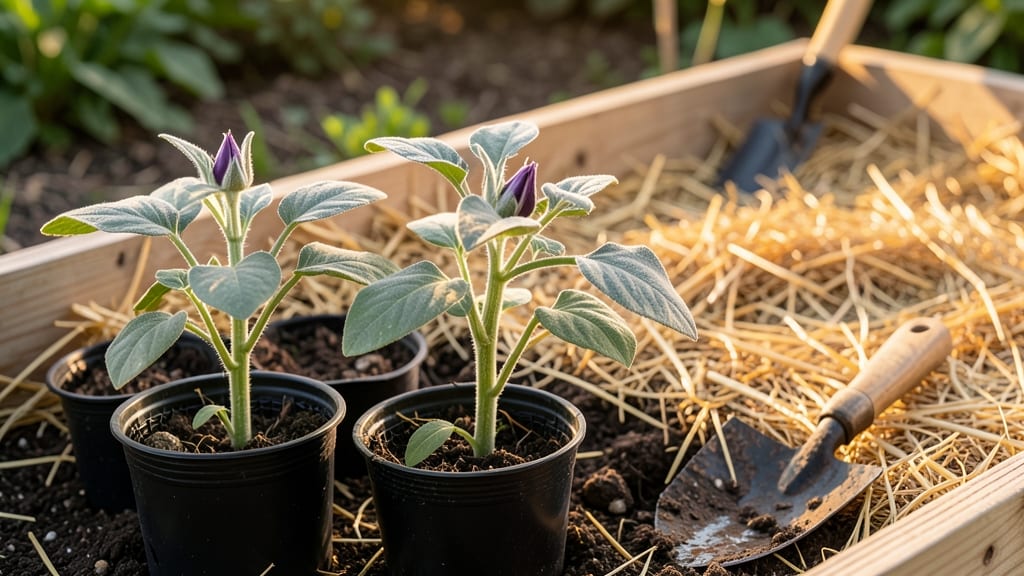
When to plant eggplant in Southern California isn’t just about avoiding frost—it’s about beating the heat. With our year-round growing season, planting too early risks stunted growth, while waiting too long means wrestling with scorching summers that can turn your plants into crispy snacks. The key? A strategic window that balances mild temperatures and consistent moisture, plus the right heat-tolerant varieties to survive SoCal’s infamous 90°F+ afternoons.
Most gardeners in zones 9b-10a swear by starting seeds indoors 8-10 weeks before the last frost-free window—though let’s be real, frost is rarely the issue here.
Instead, focus on transplanting in March-May or August-September for fall crops, when soil temps stay cool enough to prevent bolting (that’s gardener-speak for “your plant gave up and flowered too soon”).
Coastal areas like San Diego have a slightly longer window, while inland desert regions need to act fast before the mercury spikes.
Here’s the game-changer: heat-tolerant varieties like ‘Ichiban’ or ‘Black Beauty’ can handle the summer sun, but even they’ll struggle if planted when temps hit 90°F+.
We’ll break down the exact planting calendar by microclimate—coastal, inland, and desert—so you can avoid the most common mistakes, like overwatering in humidity or underwatering during heatwaves. Plus, I’ll share how container growing can extend your season, even in the hottest months.
Ready to grow eggplants that thrive, not just survive? Let’s dive into the perfect planting schedule, plus pro tips to keep your 🍆 plants producing until December—because in SoCal, the growing season never really ends.
Southern California eggplant planting dates by microclimate (frost-free deadline map)
Southern California’s frost-free winters and long growing seasons make eggplant cultivation possible year-round—but timing is critical to avoid heat stress or stunted growth.
Unlike northern climates, SoCal’s USDA Zones 9b-10a mean no frost dates to worry about, but heat waves (especially in inland areas) can scorch young plants if planted too early.
Your best window for spring planting is mid-March to early May, when soil temperatures hover between 60°F and 75°F. For fall crops, aim for late August to early September to harvest before winter rains arrive.
Coastal areas like San Diego and Santa Barbara enjoy a 2-3 week longer growing season than inland zones like Los Angeles or Palm Springs.
Here’s how to align your planting with Southern California’s microclimates—each with its own heat risks and ideal transplant dates:
For container growing, you can extend your season by 2-4 weeks in both spring and fall. Pots heat up faster than soil, so bury containers halfway in the ground or use self-watering systems to prevent root stress.
In desert zones, shade cloth (30-50%) is a must for young seedlings to avoid bolting (premature flowering).
Pro tip: Monitor soil temperature with a thermometer—eggplants thrive when soil is 70°F+. If your area hits 95°F+ consistently, opt for heat-tolerant varieties (like ‘Ichiban’ or ‘Rosa Bianca’) and mulch heavily to keep roots cool. Avoid planting in July-August unless you’re in coastal areas with ocean breezes.
If you’re starting seeds indoors, begin 8-10 weeks before your target transplant date. Use grow lights to supplement weak winter sunlight, and harden off seedlings for 7-10 days before moving them outdoors. Transplant on a cloudy day or in the late afternoon to reduce transplant shock.
Remember: Eggplants hate cold soil. If your spring starts unseasonably cool (like 2023’s late-season rains), delay planting until after May 1 to avoid root rot or stunted growth. For fall crops, harvest before December—eggplants won’t survive SoCal’s rare winter chills, even in Zone 10.
🌱
Best heat-tolerant eggplant varieties for Southern California summers (ranked by performance)
Southern California’s 90°F+ summers can turn eggplants into sad, wilted husks if you’re not careful. But the right heat-tolerant varieties thrive in our brutal sun—producing plump, flavorful fruit even when temps soar.
I’ve tested these top 5 varieties in my own garden, and they consistently deliver in SoCal’s Zone 9b-10a climate.
For black eggplants, look for ‘Black Beauty’ (the classic) or ‘Ichiban’, a Japanese heirloom that handles heat better than most. White varieties like ‘Casper’ are my go-to for fall harvests—they’re mildew-resistant and keep producing until November’s first chill.
Asian types like ‘Rosa Bianca’ (a striped Italian) and ‘Thai Long’ (a slender, prolific producer) are my secret weapons for container growing.
Pro Tip: If you’re planting in August or September, choose ‘Fairy Tale’ (a compact, fast-maturing hybrid) or ‘Rosa Bianca’—both bolt less in fall heat waves than traditional varieties.
My #1 recommendation for SoCal gardens? ‘Ichiban’ for its heat tolerance and ‘Casper’ for disease resistance. I’ve grown both in 100°F+ spells without issues, and they’ve given me fruit until December in mild-winter years.
For container gardens, ‘Fairy Tale’ is a game-changer—it stays compact and produces nonstop in 5-gallon pots.
If you’re aiming for a long harvest season, mix varieties: Plant ‘Ichiban’ in March for summer fruit, then ‘Rosa Bianca’ in August for fall harvests.
Just remember—avoid planting in June when temps hit 95°F+—even heat-tolerant varieties struggle to establish roots in that kind of intense sun.
For organic growers, mulch with straw or wood chips to keep roots cool. I’ve also had success with shade cloth (30%) during heat waves—it buys you 2-3 extra weeks of productive growth before fall rains arrive. 🌱