
Plants
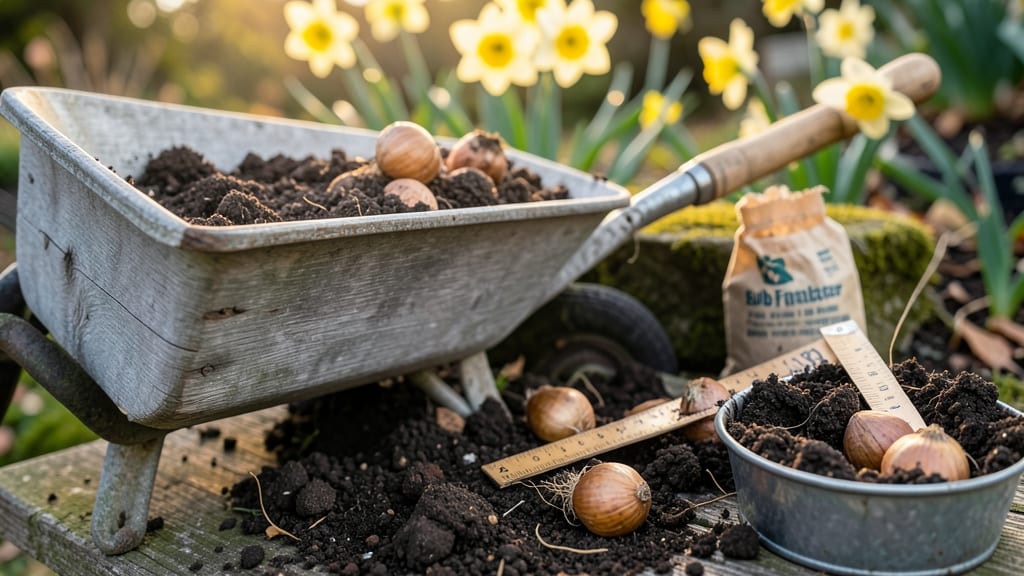
Timing your daffodil planting in Virginia isn’t just about picking a month—it’s about syncing with the soil’s hidden rhythm before winter sets in. Skip the guesswork, and you’ll miss the perfect window when bulbs need 60-70°F soil to root without rotting.
I’ve seen gardeners in zones 6a-7b waste entire seasons by planting too early or too late, and I’m here to show you how to avoid that mistake.
Fall is your golden ticket, but Virginia’s microclimates—from Tidewater’s milder coast to the Shenandoah Valley’s crisp air—mean November 15 isn’t a one-size-fits-all rule. We’ll break down exactly when to dig in, whether you’re in Richmond’s 7a or the cooler 6b of the Blue Ridge.
Container planting? It works, but the soil temperature game changes for pots, and I’ll cover that too.
Think you can just toss bulbs in the ground and forget about them? Not so fast—post-planting care is where 90% of blooms either thrive or fizzle out.
I’ll walk you through the 3 key steps to ensure your 🌼 daffodils pop up next spring like clockwork, from spacing tricks to when (and when not) to fertilize. Let’s get those bulbs in the ground the right way.
By the end, you’ll know not just when to plant, but why the dates matter—and how to tweak your approach for Virginia’s quirky weather. No more second-guessing, just confident planting that leads to April-May blooms you’ll brag about at your neighborhood garden club. Ready to dig in?
Virginia’s frost dates: the exact window to plant daffodils
Daffodils thrive in Virginia’s USDA zones 6a-7b, but timing your planting around frost dates is the secret to success. The ideal window spans from mid-September to November, ensuring bulbs establish roots before winter. Missing this window risks rot or failed blooms next spring.
Virginia’s first frost typically arrives between November 15 and December 15, depending on elevation and region. Planting 6 weeks before the average frost date gives bulbs time to root without sprouting too early.
For example, in Northern Virginia (Zone 7a), aim for October 1-15, while Southside Virginia (Zone 7b) can extend planting until mid-November.
Regional variations matter! Tidewater’s milder climate (Zone 8a) allows planting until late November, while the Shenandoah Valley’s cooler microclimate (Zone 6b) demands earlier planting by mid-October. Check your local USDA frost map or use the table below for precise guidance.
| Region | USDA Zone | First Frost | Planting Window |
|---|---|---|---|
| Northern Virginia | 7a | Nov 1-15 | Oct 1-15 |
| Central Virginia | 7b | Nov 10-20 | Sep 20-Nov 1 |
| Tidewater | 8a | Nov 20-Dec 5 | Oct 1-Nov 15 |
| Shenandoah Valley | 6b | Oct 25-Nov 5 | Sep 15-Oct 10 |
If you miss the fall window, don’t despair! Early winter planting (January-February) works too, as long as soil isn’t frozen. Bulbs planted in January will bloom slightly later but still thrive. Just avoid spring planting—daffodils need time to establish roots before summer heat arrives.
Pro tip: Use Virginia Cooperative Extension’s frost date calculator for your exact location. For example, Roanoke’s Zone 7a has a first frost around November 5, so plant by September 20 for safety. Adjust for your microclimate—higher elevations freeze earlier!
Container planting extends your window! Pots in sheltered spots can be planted until December 1 in milder zones like Norfolk. Just ensure pots have drainage holes and use a lightweight potting mix to prevent rot.
Remember: Soil temperature (not air temperature) is key. Aim for 60-70°F at planting depth (6 inches). Use a soil thermometer to check—if it’s below 50°F, wait a week or two. Cold soil stresses bulbs and delays root growth.
Once planted, mulch with straw (2-3 inches) to insulate bulbs through winter. This protects them from freeze-thaw cycles and keeps soil temps stable. Remove mulch in early spring to allow foliage to emerge.
Timing isn’t just about frost—it’s about giving bulbs time to root before winter dormancy. With Virginia’s 165 frost-free days, daffodils have plenty of time to bloom brightly from April to May if planted correctly.
Moon phases vs. soil temperature: what really matters for daffodil bulbs
You’ve probably heard gardening advice like "plant under a full moon for bigger blooms"—but when it comes to daffodils in Virginia, soil temperature trumps moon phases every time.
Bulbs need 60–70°F soil to establish roots before winter, not lunar cycles. Let’s cut through the myths and focus on what actually grows vibrant daffodils.
While moon planting is fun folklore, daffodil bulbs prioritize cool soil and moisture over celestial timing. The key is planting when temperatures drop to 50–60°F at night—typically late September to November in Virginia’s USDA zones 6a–7b. This window ensures roots grow but the bulb stays dormant until spring.
Here’s the hard truth: Overwatering or planting in warm soil (above 70°F) causes bulbs to rot before they can root. Virginia’s clay-heavy soils? Amend with compost to improve drainage—this is non-negotiable for bulb health. Skip the moon charts and check your soil thermometer instead.
Planting daffodils in warm soil (above 70°F) or soggy clay triggers rot. Virginia’s fall rains? Test drainage—bulbs need well-draining soil to thrive. If your garden holds water after 6 hours, amend with sand or perlite before planting.
For container planting in Virginia, use fast-draining mixes (like cactus soil) and plant bulbs 6 weeks before your first frost date. Containers warm up faster than ground soil, so monitor temperatures closely—never let pots sit in standing water.
A south-facing porch or raised bed works best for urban gardeners.
Pro tip: Mulch after planting with 2–3 inches of straw or shredded leaves. This insulates bulbs from freeze-thaw cycles and keeps soil moisture steady. In Virginia’s colder zones (like the Shenandoah Valley), mulch helps bulbs survive harder winters without rotting.
Remember: Daffodils hate soggy soil more than they care about moon phases. Focus on cool, well-draining beds and you’ll see stronger blooms next spring. Skip the lunar advice—your soil thermometer is your best gardening tool.