
Plants
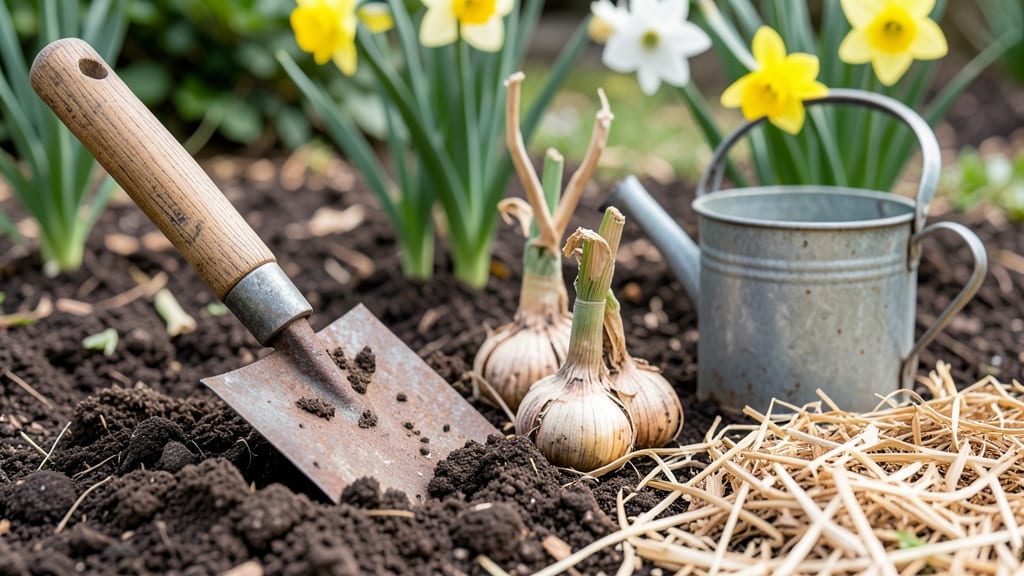
Planting daffodils in Minnesota isn’t just about timing—it’s about outsmarting October’s early frosts while giving those bulbs the perfect 6-week head start before winter sets in. With USDA Zones 4a-5b throwing curveballs, one wrong move could mean blooms that never show up or bulbs that rot before spring.
But here’s the secret: the frost-date formula turns guesswork into a foolproof plan for vibrant 🌼 displays year after year.
Most gardeners in Minnesota make the same mistake—they wait too late, thinking “November can’t be that bad.” But those bulbs need time to establish roots before the ground freezes solid. Plant too early, and you risk rot; too late, and you’ll miss the window entirely.
The ideal time? September to early October, when soil temps hover around 50°F—just right for root growth without inviting pests or disease.
Why does this matter? Because daffodils in Minnesota aren’t just about pretty flowers—they’re a hardiness test. A bulb planted at the wrong time might survive winter but fail to bloom, leaving you wondering why your garden looks bare when neighbors’ yards burst with color.
I’ll show you exactly how to sync planting with Minnesota’s first frost dates, so you’re never left guessing whether your 🌼 will make it to spring.
Ready to skip the trial-and-error? Let’s break down the exact weeks and soil conditions that guarantee zero-fail blooms, tailored to your corner of the state—whether you’re in the Twin Cities, Duluth, or rural farmland. No more “I’ll try it next year” excuses.
Minnesota daffodil planting timeline: frost-date formula explained
Planting daffodils in Minnesota hinges on one critical rule: 6 weeks before the ground freezes. This frost-date formula ensures bulbs establish roots before winter, so they burst into bloom next spring. With USDA Zones 3-5 across the state, timing varies slightly—but the core principle stays the same.
Most of Minnesota sees its first hard frost between September 20th and October 15th, depending on location. Count backward 6 weeks, and you’ll land on your ideal planting window.
For example, if frost hits October 1st, aim to plant by mid-August. This method eliminates guesswork and guarantees vibrant 🌼 daffodil blooms.
Soil temperature plays a hidden role too. Daffodils thrive when soil cools to 60°F or below. In northern Minnesota, this happens earlier (late August), while southern regions may wait until mid-to-late September. Always dig a 6-inch hole to check—if the soil feels warm, wait a few days.
Here’s the golden rule for Minnesota gardeners: Plant daffodils after summer’s heat fades but before squirrels bury them. This balance ensures your bulbs get the root growth they need without becoming a snack for wildlife. Let’s break down the exact timeline in a state-specific chart.
| Minnesota Region | USDA Zone | Avg. First Frost | Ideal Planting Window | Soil Temp Goal |
|---|---|---|---|---|
| Northern MN (Duluth, International Falls) | Zone 3-4a | September 20 - October 1 | Late August - Early September | 60°F or below |
| Twin Cities (Minneapolis, St. Paul) | Zone 4b-5a | October 1 - October 10 | Mid-to-late September | 60°F or below |
| Southern MN (Rochester, Winona) | Zone 4b-5b | October 10 - October 15 | Late September | 60°F or below |
| Rural Areas (Farmland, Lakeside) | Zone 3-5a | September 25 - October 5 | Early-to-mid September | 60°F or below |
Why does this 6-week rule work? Daffodil bulbs need time to develop root systems before winter dormancy. If planted too late, they’ll sit in cold soil and rot.
If planted too early, they may sprout prematurely and get fried by summer heat. The 6-week window strikes the perfect balance for Minnesota’s climate.
Pro tip: Use a soil thermometer to confirm readiness. Stick it 6 inches deep—the depth where daffodil roots will grow. If the soil stays above 60°F for more than 3 days, delay planting. This simple tool can save your bulbs from heat stress or early sprouting.
Another key factor is bulb size. Larger bulbs (12/14 count) establish roots faster, so they can handle slightly later planting. Smaller bulbs (16/18 count) need the full 6-week window to thrive. Always choose firm, dry bulbs with no soft spots—these are your best bet for Minnesota’s harsh winters.
Don’t overlook microclimates either. A south-facing slope warms up faster than a shady garden corner. If your yard has sunny spots, plant daffodils there first—they’ll establish roots quicker. Conversely, low-lying areas stay colder longer, so plant those spots 2 weeks earlier to compensate.
Finally, mark your calendar for early October—this is when most of Minnesota’s first hard frost arrives. If you’ve missed the ideal window, you can still plant until the ground freezes, but expect smaller blooms the following spring. The earlier you plant, the bigger and brighter your daffodils will be!
Now that you’ve mastered the frost-date formula, let’s dive into the best months to plant daffodils across Minnesota’s diverse regions—because timing isn’t one-size-fits-all, especially when frost dates can shift by 2 weeks from north to south.
Best months to plant daffodils in Minnesota (by region)
Minnesota’s diverse microclimates mean your daffodil planting window can shift by weeks—even between nearby cities. Whether you’re in the Twin Cities, Duluth’s chilly north, or southern Rochester, timing is everything for those cheerful spring blooms.
Let’s break down the ideal months by region, so you can plant with confidence and avoid frost-related surprises.
For USDA Zones 4a-5b, daffodils thrive when planted 6-8 weeks before the ground freezes. In Minnesota, this typically lands in September or early October, but regional variations matter.
Duluth’s earlier frosts may push you toward late August, while Rochester’s milder winters might extend your window into mid-October. Rural areas with microclimates (like sheltered valleys) can even allow November planting in mild years.
Pro Tip: Use your local frost date as your guide. Check the National Weather Service or MN State Climatology Office for your area’s average first frost. Then, count backward 6 weeks—that’s your sweet spot for planting.
If you’re in Zone 4a (like northern Minnesota), late August is your last chance to plant before the ground freezes.
For Zone 5b areas (southern MN), you might even squeeze in early November plantings—just ensure the soil hasn’t frozen yet. Test with your finger: If it’s still workable (not rock-hard), you’re good to go!
Remember, soil temperature matters just as much as air temperature. Daffodil bulbs need 50-60°F soil to root properly. Use a soil thermometer if you’re unsure—it’s a small investment for bigger, healthier blooms next spring.
In urban areas, pavement and buildings can create warmer microclimates, so adjust your planting date 1-2 weeks later if your yard stays warmer longer.
Don’t stress if you miss the ideal window! Daffodils are tough and can handle late fall planting as long as the ground isn’t frozen. Just aim to plant by November 15 at the latest—after that, wait until early spring (as soon as the ground thaws) to avoid winter rot.
With this regional guide, you’ll be well on your way to a daffodil-filled spring that brightens up Minnesota’s long winters.