
Plants
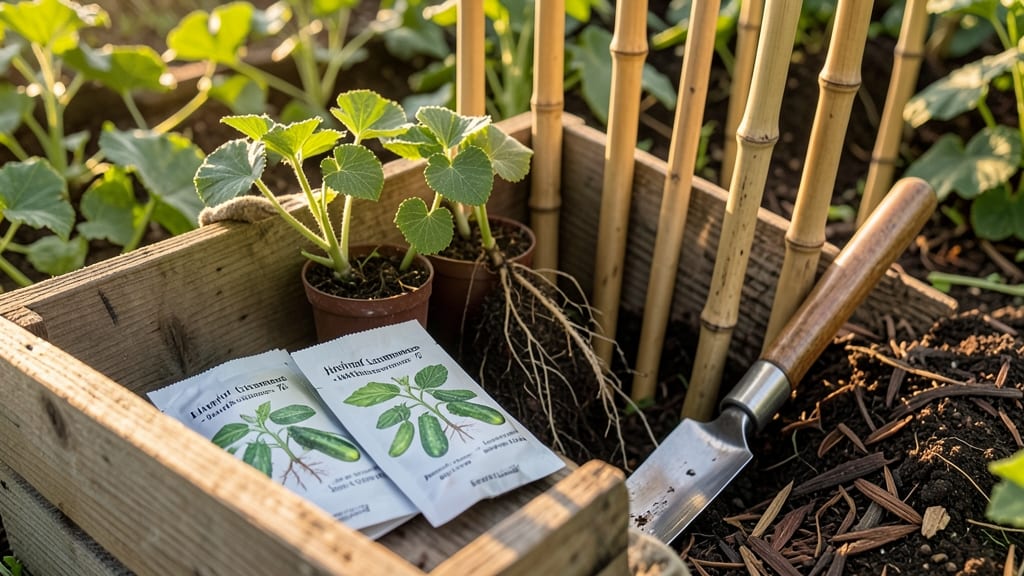
Zone 6b frost dates and ideal cucumber planting window
In Zone 6b, cucumbers thrive when planted after the last frost—typically between mid-April and early May. This window ensures your seedlings avoid frost damage while giving them enough warm soil to sprout quickly.
The key is waiting until soil temperatures hit at least 60°F, which usually aligns with April 15 or later in most Zone 6b regions.
Cucumbers are warm-season crops, meaning they won’t tolerate cold soil or nighttime temperatures below 50°F. Planting too early can stunt growth or invite fungal diseases like damping-off. Meanwhile, waiting until after May 15 risks missing the 70-80 day growing window before the first frost in mid-October.
Here’s the golden rule for Zone 6b: Aim for a 3-phase planting strategy—early, mid, and late season—to stretch your harvest. Early plantings (with protection) can start in late April, while mid-season plantings (the safest bet) happen in early May.
Late plantings in June work for heat-tolerant varieties like 'Straight Eight' or 'Marketmore 76'.
Direct sowing is the best method for cucumbers in Zone 6b, as they hate being transplanted. If you start indoors, harden off seedlings for 7-10 days before transplanting after the last frost.
For in-ground planting, choose a south-facing spot with 6+ hours of sun and well-draining soil amended with compost.
| Planting Phase | Zone 6b Window | Soil Temp | Notes |
|---|---|---|---|
| Early Season | Late April (with frost protection) | 60°F+ | Use row covers; best for cold-tolerant varieties like 'Northern Pickling' |
| Mid-Season | Early May (after last frost) | 65°F+ | Ideal for most varieties; highest yield potential |
| Late Season | June (for heat-tolerant types) | 70°F+ | Choose varieties like 'Straight Eight'; harvest before October |
For direct sowing, plant seeds 1 inch deep and 2-3 feet apart (or closer for bush types). If using trellises, space plants 6-12 inches apart to save space and improve air circulation.
Mulch with straw or black plastic to retain moisture and suppress weeds, which is critical in Zone 6b’s variable spring weather.
Monitor your local microclimate—valleys and low areas frost later than hills or south-facing slopes. Use a soil thermometer to confirm temperatures before planting. If nights dip below 55°F after planting, cover seedlings with frost cloth or a cloche until they establish roots.
Pro tip: Succession plant every 2-3 weeks after your initial planting for a continuous harvest. For example, if you plant your first batch on May 1, follow up with a second on May 15 and a third on June 1.
This ensures you’re harvesting cucumbers from July through September, long before the first frost.
Remember, cucumbers are fast growers—some varieties mature in as few as 50 days. The earlier you plant, the sooner you’ll enjoy fresh cucumbers from your garden. Just don’t rush it: patience and soil temperature are your best friends in Zone 6b! 🌱
Zone 6b frost dates and ideal cucumber planting window
In Zone 6b, cucumbers thrive when planted after the last frost—typically between mid-April and early May. The key is waiting until soil temperatures hit 60°F+ and all frost risk has passed.
Planting too early risks frost damage, while waiting too long may delay your harvest until summer's peak heat. Let's break down the exact timing and strategies for success.
Your last average frost date in Zone 6b is around April 15, but it's safer to wait 2-3 weeks after this date. Cucumbers are sensitive to cold, so soil temperature is more critical than air temperature.
Use a soil thermometer to confirm readiness—60°F+ is ideal for germination and growth. This timing ensures your plants have 120-140 frost-free days to mature and produce fruit.
🌱 Zone 6b Cucumber Planting Timeline
| Stage | Action | Notes |
|---|---|---|
| Early Spring (March) | Start seeds indoors or use row covers | Only for early varieties with protection |
| Mid-April | Direct sow after last frost risk | Soil must be 60°F+ |
| Late May | Succession plant for extended harvest | Every 2 weeks until July |
| June-August | Harvest and monitor for pests | Pick frequently to encourage production |
For direct sowing, plant seeds 1 inch deep and 2-3 feet apart in rows spaced 4-6 feet apart.
If transplanting seedlings, harden them off for 7-10 days before moving outdoors. Bush varieties (like 'Bush Champion') are ideal for smaller gardens, while vining types (like 'Straight Eight') need trellises to save space and improve airflow, reducing disease risk.
Zone 6b gardeners can also extend the season by planting heat-tolerant varieties like 'Lemon Cucumber' or 'Marketmore' in late June for a fall harvest. These varieties handle 85°F+ temperatures better than standard types.
Always choose disease-resistant seeds (look for labels like "PM" for powdery mildew resistance) to combat Zone 6b's humid summers.
Pro tip: Use black plastic mulch or straw mulch to warm the soil faster and retain moisture. This can shave 1-2 weeks off your planting timeline. Monitor your local microclimate—south-facing beds warm up faster than shaded areas, so adjust planting dates accordingly.
Remember, cucumbers grow best with consistent warmth and plenty of sunlight. In Zone 6b, aim for 6-8 hours of direct sun daily and avoid planting near tomatoes or potatoes, as they share diseases. With the right timing, you'll enjoy fresh cucumbers from July through September!