
Companion Plants
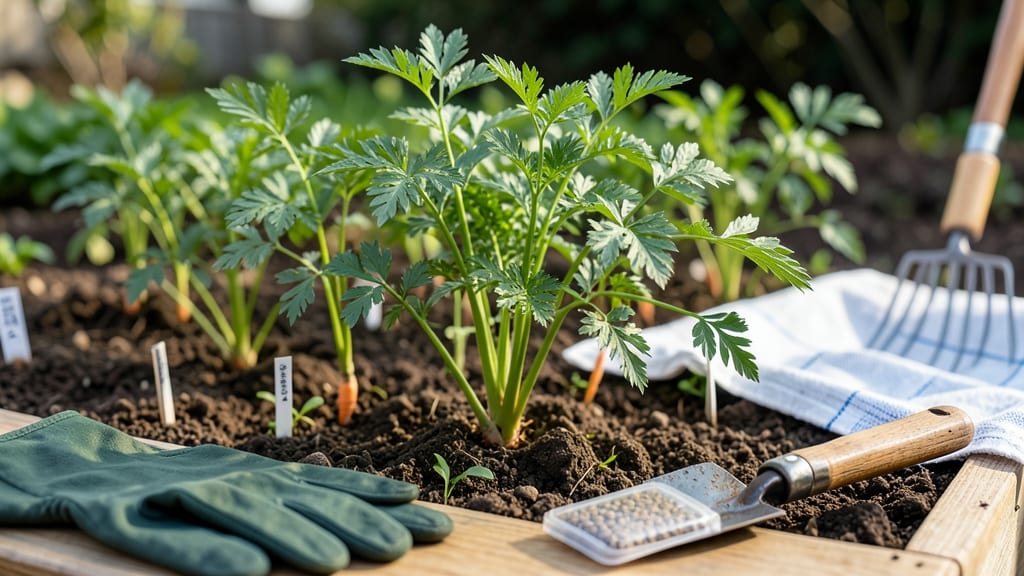
If you're wondering "when can I plant carrots in Zone 6", timing is the secret weapon for fast, reliable germination and sweet harvests. Zone 6's unpredictable climate means planting too early risks frost damage, while waiting too long could leave you with bitter roots instead of crisp, flavorful 🥕.
The ideal window opens 4-6 weeks before your last frost (typically mid-March for Zone 6a) and closes again in late summer for a fall crop.
But here's the catch: soil temperature matters just as much as calendar dates—carrots need 50-85°F soil to germinate properly, which often means waiting until late April for true spring planting.
Don't let these details overwhelm you—I'll break down exactly how to time your plantings for maximum success, including which varieties grow fastest in your climate. With the right approach, you could be harvesting your first crisp carrots in just 60 days from a simple seed packet.
The key is working with Zone 6's 165 frost-free days while avoiding common pitfalls like bolting from heat stress. Let's get your carrot patch off to the fastest possible start with these proven timing strategies.
Zone 6 carrot planting timeline: exact weeks before/after last frost
In Zone 6, your carrot planting window hinges on two critical dates: the last frost (typically mid-April) and the first frost (usually mid-October). For fastest germination, aim to plant when soil temperatures reach 50°F—this usually happens in late March to early April.
Carrots are cool-season crops, so they thrive in 50-85°F soil, making spring and fall the ideal planting seasons.
Spring planting should begin 4-6 weeks before your last frost. In Zone 6, this means sowing seeds between mid-March and early April.
For a fall harvest, plant again in late July to early August, ensuring you have 90-100 days before the first frost to mature your crop. This two-season approach guarantees a steady supply of fresh, crisp carrots.
Carrot seeds germinate slowly—expect 7-21 days depending on soil conditions. To speed up germination, keep soil consistently moist and warm. In Zone 6, early spring can be unpredictable, so use row covers or cold frames to protect seedlings from late frosts.
Planting too early risks seed rot, while waiting too long may result in bolting (premature flowering) due to heat.
Here’s your Zone 6 carrot planting timeline broken down by season, including soil temperature requirements and germination expectations:
For succession planting, sow seeds every 2-3 weeks from spring through early summer. This ensures a continuous harvest and reduces the risk of overcrowding.
In Zone 6, you can even squeeze in a third planting in early September for a late fall harvest, but prioritize varieties with shorter maturity times (50-60 days) to avoid frost damage.
Pro tip: Test your soil temperature with a soil thermometer before planting. Carrots need consistent moisture to grow straight and sweet. Water deeply once a week (or more during dry spells) and avoid overhead watering to prevent fungal diseases like leaf blight.
Mulching with straw or grass clippings helps retain soil moisture and keeps roots cool.
If you’re new to growing carrots, start with short-season varieties like 'Early Nantes' or 'Paris Market'. These mature in 50-60 days, giving you flexibility in Zone 6’s 165-day frost-free season.
For a longer storage life, opt for 'Danvers' or 'Chantenay' varieties, which can be stored for months in a cool, dark place.
Remember, Zone 6’s weather can be unpredictable. If a late frost is forecasted, use floating row covers to protect young seedlings. Conversely, if temperatures soar above 85°F, carrots may bolt prematurely. Stay vigilant and adjust your planting schedule as needed to maximize your harvest.
With this timeline, you’ll enjoy crisp, homegrown carrots from early summer through fall—no grocery store required! 🥕
How to adjust carrot planting for Zone 6’s unpredictable weather patterns
Zone 6’s weather can throw off even the best-laid planting plans—late frosts in May or sudden heatwaves in June can turn your carrot patch into a gamble. The key is flexibility: adjust your timing based on soil temperature, not just calendar dates.
For example, if your soil stays below 50°F past your usual planting window, wait—carrots won’t germinate until the soil warms up, and cold, wet soil invites rot.
Start with cold-hardy varieties like 'Nantes' or 'Danvers' if you’re planting in early spring. These tolerate 35-40°F soil better than heirlooms, giving you a 2-week buffer against late frosts.
For fall crops, aim for 3 months before your first frost (typically early July in Zone 6), but monitor nighttime temperatures—carrots bolt (go to seed) when days exceed 75°F for more than a week.
🚨 WARNING: One of the biggest mistakes in Zone 6 is planting too early in cold, heavy soil. This causes seeds to rot before germinating. Always check soil temperature with a soil thermometer—wait until it consistently hits 50°F for spring plantings.
If frost threatens after sowing, cover rows with lightweight row fabric or old bedsheets secured with bricks.
🌡️ Zone 6 Weather Risks & Fixes
Late Frost Risk: Plant in warmest microclimate (south-facing beds) or use row covers until danger passes.
Heatwave Risk: Mulch heavily with straw to keep soil cool and water deeply at dawn to prevent bolting.
Drought Risk: Use drip irrigation and plant shallow-rooted varieties like 'Paris Market' in dry spells.
For succession planting, sow seeds every 2-3 weeks from spring through early summer. This ensures a steady harvest and reduces the impact of weather surprises. In my Zone 6 garden, I’ve had success with 3 staggered plantings: mid-April, early May, and late May.
The last batch often matures just as summer heat ramps up, giving me crisp roots before the soil gets too hot.
If you’re new to Zone 6 gardening, start small—test a 3-foot row with your first planting. This lets you experiment with timing without committing to a full bed.
Pay attention to when your local last frost date actually occurs (it can vary by 1-2 weeks from the USDA average), and adjust future years accordingly. Over time, you’ll spot patterns in your microclimate that the general guidelines miss.
Remember: carrots are forgiving once they’re established, but germination is the critical phase. With these adjustments, you’ll beat Zone 6’s weather quirks and enjoy sweet, homegrown carrots from early summer through fall. The secret isn’t perfection—it’s adaptability.