Plants
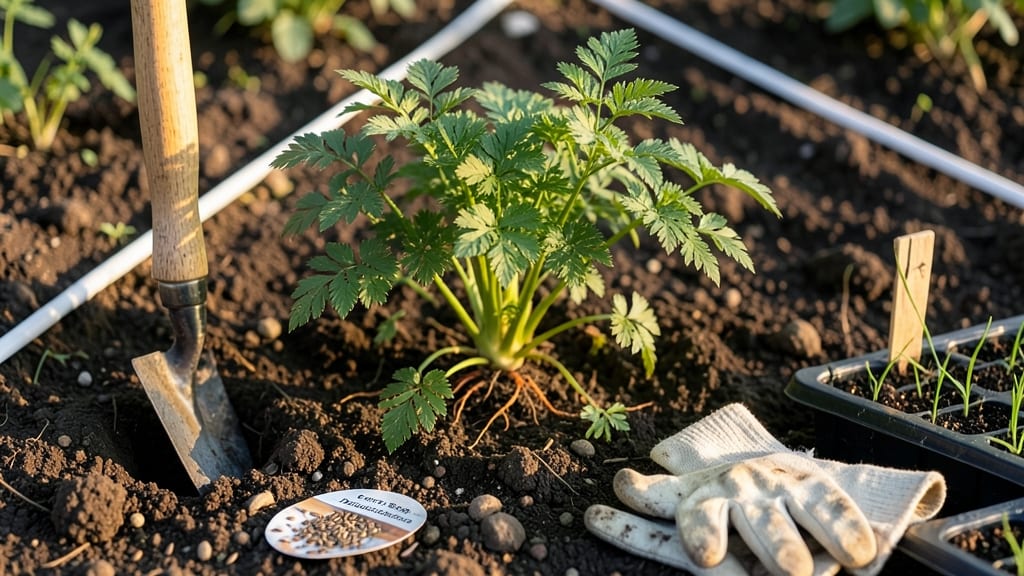
Knowing when to plant carrots in Zone 6 is the difference between a bumper crop of sweet, crisp 🥕 and a disappointing harvest.
Zone 6's unpredictable frosts and summer heat mean timing matters more than you might think—plant too early, and frost will stunt your roots; too late, and they'll bolt or turn woody.
Most gardeners in 6a (like me!) swear by two key windows: early spring as soon as soil warms to 50°F, and late summer for a fall harvest. But there's more to it than just dates—soil temperature, frost dates, and even your microclimate play a role.
Let me break down the exact steps to get your carrots growing strong, from seed to harvest.
What you'll discover here are the ideal planting windows tailored for Zone 6, plus pro tips to extend your season. We'll cover everything from soil prep to avoiding common mistakes that leave gardeners scratching their heads in October. Ready to grow carrots like a pro?
Whether you're a beginner or a seasoned gardener, these strategies will help you beat Zone 6's challenges and enjoy homegrown carrots from summer through fall. Let’s dig in!
Zone 6 carrot planting timeline: frost dates and soil temperatures explained
Timing your carrot planting in Zone 6 means balancing frost dates, soil warmth, and your local microclimate. The average last frost date for Zone 6 falls around April 15, but urban areas often experience frost 1-2 weeks later due to heat islands.
Rural gardens may warm up faster, giving you an earlier start. Your goal? Plant when soil temperatures reach 50°F—cold soil slows germination and can lead to leggy, weak seedlings.
Carrots are cool-season crops, meaning they thrive in 50-75°F soil and can tolerate light frosts once established. However, planting too early—before the last frost—risks seed rot or stunted growth. Conversely, waiting until late spring may result in bolting (premature flowering) when summer heat arrives.
The sweet spot? Aim for 4-6 weeks before your last frost date for a spring harvest, or 8-10 weeks before your first frost in fall.
Here’s the key: Soil temperature matters more than air temperature. Use a soil thermometer to confirm readings. If your garden sits in a low spot or near water, it’ll stay colder longer—adjust your planting date accordingly.
For example, if your soil hits 50°F by March 20, you’re safe to plant. If not, wait until early April. Patience here prevents wasted seeds and frustration.
| Planting Window | Soil Temp Requirement | Frost Consideration | Zone 6 Timeline |
|---|---|---|---|
| Early Spring | 50-60°F | After last frost | March 20 - April 15 |
| Late Summer (Fall) | 50-65°F | 8-10 weeks before first frost | July 15 - August 15 |
| Succession Planting | 50-60°F | Every 2-3 weeks | April 1 - June 15 |
For a spring harvest, start seeds indoors 4-6 weeks before your target outdoor planting date if you’re using transplants (though carrots are best direct-sown). In Zone 6, that means mid-February to early March for indoor starts.
If you’re sowing directly, wait until soil is workable and frost-free—usually late March to early April. Pro tip: Cover seeds with 1/4-inch fine soil and keep them moist until germination (7-14 days).
Don’t overlook fall planting for a second harvest. Carrots grown in cooler fall weather develop sweeter flavors. Aim to sow seeds 8-10 weeks before your first frost (typically mid-July to mid-August in Zone 6).
Choose shorter-day varieties like ‘Danvers’ or ‘Nantes’ to avoid bolting. Mulch heavily with straw to insulate roots from early frosts, which can actually sweeten carrots if they’re mature.
Microclimates play a huge role in Zone 6. A south-facing bed warms up faster than a north-facing one, while a raised bed heats up quicker than in-ground soil. Urban gardens near pavement or buildings may experience 5-10°F warmer soil than rural areas.
Use these microclimate clues to fine-tune your planting: If your neighbors’ gardens are frost-free by April 1, but yours isn’t until April 15, adjust your timeline accordingly.
One common mistake is relying solely on air temperature instead of soil temperature. Air temps can drop at night while soil retains heat, especially in raised beds or black plastic-covered rows. Always check soil temps in the morning (before sun warms it) to avoid overestimating readiness.
Another pitfall? Planting too densely. Carrots need 2-3 inches of space to grow straight—crowding leads to forked, misshapen roots.
To maximize your harvest, pair carrots with companion plants like leeks or rosemary, which deter carrot flies. Avoid planting near dill or parsley, which attract pests. If your Zone 6 summer gets too hot (80°F+), provide afternoon shade with floating row covers to prevent bolting.
With the right timing and care, you’ll enjoy crisp, sweet carrots from spring through fall.
How to extend your carrot harvest in Zone 6: succession planting and fall crops
Zone 6 gardeners can enjoy fresh carrots from spring through fall with succession planting and smart variety selection. The key is spacing out plantings every 2-3 weeks to ensure a continuous harvest.
For a fall crop, start sowing seeds in late July to early August—this gives them time to mature before the first frost around mid-October.
Choose Danvers or Nantes varieties for fall planting—they handle cooler temperatures better than other types. Danvers matures in 70 days, while Nantes takes 65-70 days, making them perfect for late-season harvests. Always test your soil temperature first—it should be at least 50°F for seeds to germinate properly.
To protect your fall carrots from early frosts, use row covers or low tunnels after mid-September. These extend the growing season by 2-4 weeks and shield tender seedlings from light frosts (28-32°F). Mulch with straw or leaves to insulate soil and keep roots warm.
Here’s my foolproof succession planting schedule for Zone 6:
For rocky soil (common in Zone 6), mix in compost or sand before planting to prevent forked roots. Always water deeply after sowing to encourage germination—carrot seeds need consistent moisture to sprout evenly.
Harvest carrots when roots reach 3/4 to 1 inch in diameter, pulling gently to avoid breaking them. Leave a few plants in the ground if frosts are light—they’ll sweeten as temperatures drop! Store extras in sand or sawdust in a cool, dark place for up to 3 months.
With these strategies, you’ll enjoy homegrown carrots from June through November—no store-bought roots needed! 🥕