
Plants
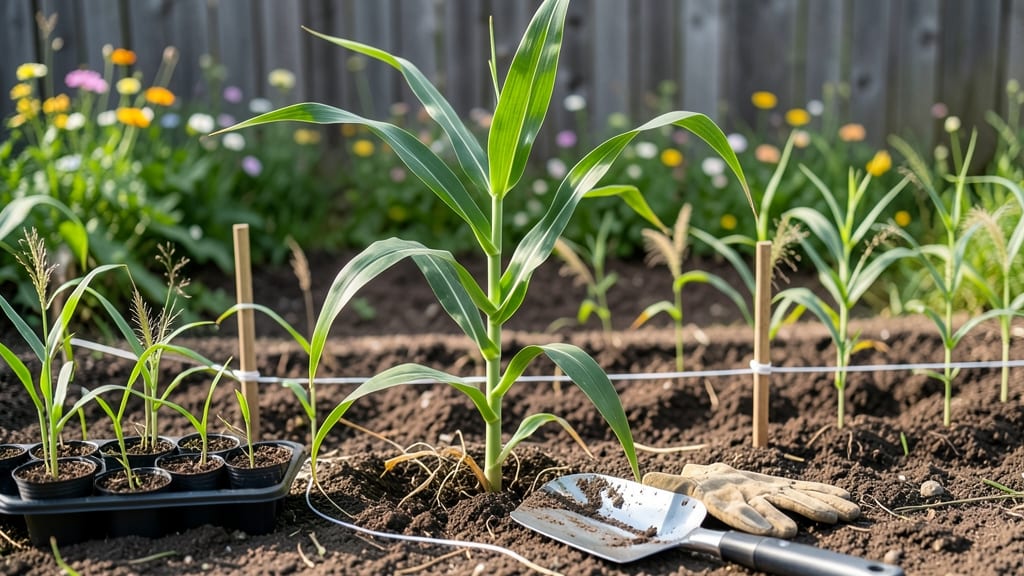
If you’ve ever stared at your calendar in April wondering whether to plant that bag of corn seeds or wait just a little longer, you’re not alone. Minnesota’s 4a-5b zones make timing everything—get it wrong, and you risk stunted plants or wasted seeds.
But here’s the good news: with the right soil temperature and frost-free date calculator, you can turn guesswork into a reliable planting schedule that sets your 🌽 up for success.
Most gardeners in Minnesota know the mid-April to mid-May window is critical, but the real secret lies in the soil. Corn needs temperatures of at least 50°F to germinate properly, and waiting until the ground warms up is the key to avoiding those frustrating "no-show" sprouts.
I’ll show you exactly how to check your soil and adjust for Minnesota’s notorious late frosts—because even the best-laid plans can go sideways when Mother Nature throws a curveball.
Beyond the calendar, choosing the right corn variety for your zone can make or break your harvest.
Whether you’re in the Twin Cities or the Iron Range, we’ll cover the top-performing hybrids that thrive in 60-90 days and how to tweak your schedule if you’re planting in the northern part of the state. Ready to ditch the guesswork and grow corn that’s actually worth bragging about?
Let’s get started.
By the end of this guide, you’ll have a clear, actionable plan—including a frost-free date calculator tailored to your location—that takes the uncertainty out of planting corn in Minnesota.
No more second-guessing, just confident, healthy plants that lead to a bountiful harvest come summer. Let’s make this your best corn-growing season yet.
Minnesota corn planting dates by hardiness zone & soil temperature
Corn thrives in Minnesota’s USDA hardiness zones 4a-5b, but getting the timing right depends on two critical factors: soil temperature and last frost dates. Planting too early risks frost damage, while waiting too long cuts your growing season short.
Most Minnesota gardeners aim for mid-April to mid-May, but your exact window varies by zone and microclimate.
Corn seeds won’t germinate until soil reaches 50°F (10°C) consistently for 1-2 weeks. A soil thermometer is your best tool—bury it 2 inches deep to check daily.
In northern MN (zones 4a-4b), wait until late May, while southern MN (zones 5a-5b) can plant as early as early April if soil warms early.
Here’s how to calculate your ideal planting window using USDA zone, average last frost, and soil temperature thresholds:
| USDA Zone | Avg. Last Frost | Soil Temp Threshold | Ideal Planting Window | Backup Window |
|---|---|---|---|---|
| 4a (Northern MN) | May 20–25 | 50°F+ for 10+ days | Late May | Early June (late varieties) |
| 4b (Central MN) | May 10–15 | 50°F+ for 7–10 days | Mid-April to early May | Late May (if early frost risk) |
| 5a (Southern MN) | April 25–May 5 | 50°F+ for 5–7 days | Early to mid-April | Late April (if cold snap) |
| 5b (Southeast MN) | April 15–20 | 50°F+ for 5+ days | Late March to early April | Early May (if late frost) |
🌱 Pro Tip: Use a soil thermometer to confirm readiness—don’t guess!
For a more precise timeline, check the MN State Climatology Office for your county’s 30-year frost averages. Southern MN (e.g., Rochester, Winona) can plant 2–3 weeks earlier than northern areas like Duluth or International Falls.
If you’re unsure, opt for early-maturing varieties (60–75 days to harvest) to hedge against late frosts.
Corn planted in March is risky unless you use row covers or a greenhouse to warm soil. Even then, seeds may rot in cold, wet soil.
Instead, I recommend starting seeds indoors 2–3 weeks before your last frost date if you’re eager to get a jumpstart—but transplant carefully to avoid shocking young roots.
One common mistake? Planting based on calendar dates instead of soil conditions. In 2023, for example, southern MN saw a late-April frost that wiped out early plantings. Always monitor local forecasts and adjust your schedule accordingly.
If you’re in zone 4a, prioritize short-season varieties like ‘Early Sunglow’ (72 days) over longer-maturing types. In zone 5b, you’ve got more flexibility to try sweet corn hybrids like ‘Silver Queen’ (85 days) or ‘Peaches and Cream’ (90 days).
Remember: Corn needs 90–120 frost-free days to mature. If your zone has only 100 days, stick to early varieties or consider succession planting in late June for a fall harvest.
For extra insurance, plant a test row 1–2 weeks before your target date. If it survives without frost damage, you’ve got the green light to plant your full garden!
How to adjust corn planting for Minnesota’s unpredictable weather patterns
Minnesota’s late frosts and cold snaps can turn your corn planting plans upside down—especially in northern zones like 4a, where the average last frost hits mid-May. If you plant too early, seedlings may freeze; too late, and your short growing season won’t support full maturation.
The key? Flexible strategies to adapt to Mother Nature’s whims.
First, always check your soil temperature before planting. Corn seeds need consistent 50°F+ soil for 1-2 weeks to germinate properly. Use a soil thermometer (or a DIY method like pressing your hand into the soil—if it’s too cold for your comfort, it’s too cold for corn).
In southern MN (Zone 5b), this might mean planting by early April, while northern MN (Zone 4a) gardeners may wait until mid-May.
Callout Warning:
⚠️ Late Frost Alert: Don’t Rush!
If a late frost warning pops up after planting, act fast! Cover seedlings with frost blankets or row covers for 24-48 hours. Never use plastic directly on plants—it traps heat and can burn tender leaves.
For northern MN gardeners, consider starter beds to extend your season. Plant corn in black plastic mulch or clear plastic tunnels 2-3 weeks earlier to warm the soil faster.
This trick can shave off 7-10 critical days from your growing timeline. Just remove the plastic once seedlings emerge to avoid overheating.
If your first planting fails due to frost, have a backup schedule ready. In Zone 4a, you can often squeeze in a second planting by late May for a smaller late-season harvest.
Choose fast-maturing varieties (like 'Golden Bantam', which matures in 60-70 days) to maximize your chances.
Heatwaves can also disrupt corn growth. If temperatures soar above 90°F during pollination (when tassels appear), corn ears may develop blind kernels. To combat this, water deeply in the morning to keep soil moisture high and mulch heavily to retain coolness.
Shade cloth can also protect plants during extreme heat spikes.
Finally, keep an eye on your local almanac and historical frost data—not just the average last frost date. Some years, June frosts sneak in, especially in higher elevations.
By planning for worst-case scenarios and staying flexible, you’ll turn Minnesota’s unpredictable weather into an advantage, not a disaster. 🌽