
Plants
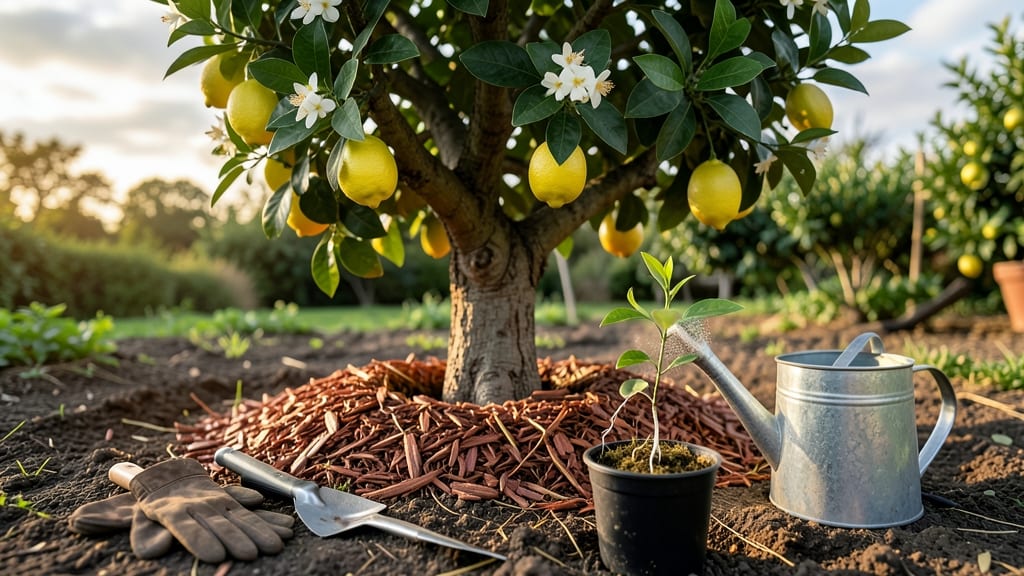
Timing your citrus planting in Arizona could mean the difference between a thriving 🍊 tree loaded with fruit and a sad, stunted plant that never recovers. The key isn't just about avoiding frost—it's about working with Arizona's unique climate to give your citrus the best possible start.
Most gardeners in USDA Zone 9b assume they can plant anytime, but the truth is that November through March offers the perfect balance of cooler temperatures and moisture. Planting outside this window risks transplant shock from Arizona's intense summer heat, which can overwhelm young roots before they establish.
I've seen firsthand how a few simple adjustments—like choosing the right variety for your microclimate or preparing the soil properly—can transform a risky planting into a guaranteed success.
Let me show you exactly what to do (and what to avoid) to give your citrus tree the strong foundation it needs to thrive year after year.
Whether you're planting in the ground or containers, these insights will help you skip the common mistakes that derail even the most enthusiastic gardeners. Ready to set your citrus up for success? Let's get started.
Best planting months for citrus trees in Arizona’s climate zones
Arizona’s mild winters and hot, dry summers create a near-perfect climate for growing citrus—but timing is everything. Planting outside the ideal window risks transplant shock or frost damage, even in low-desert areas.
The best time to plant citrus in Arizona is during the cool months, when temperatures stay between 60°F and 75°F, allowing roots to establish before summer’s intensity.
Citrus trees thrive in USDA Zone 9b, where frost is rare but still possible in higher elevations. In Phoenix and Tucson, your planting window spans from mid-October through March, while Yuma’s extended growing season lets you plant as late as April.
Avoid planting in summer months, when extreme heat stresses young roots and increases evaporation rates.
Here’s the breakdown of ideal planting months by Arizona’s microclimates, including frost risks and soil temperature thresholds:
| Climate Zone | Best Planting Window | Soil Temp (°F) | Frost Risk | Notes |
|---|---|---|---|---|
| Phoenix/Tucson (Low Desert) | November–March | 60–75°F | Low (Dec–Jan) | Afternoon shade critical; use windbreaks |
| Yuma (Extreme Low Desert) | October–April | 65–80°F | Very Low | Longer window; drought-tolerant varieties preferred |
| Flagstaff/High Elevations | September–October | 55–65°F | High (Nov–Mar) | Only cold-hardy varieties (e.g., Satsuma); protect with frost cloth |
For container-grown citrus, you gain flexibility to plant up to April in low-desert areas, but ensure pots have drainage holes and use a lightweight potting mix to prevent root rot. Containers also let you move trees indoors if frost threatens, extending your growing season.
If you miss the ideal window, October is your last chance in most of Arizona. Planting in April or later risks heat stress and poor root establishment before summer’s peak.
Always check local frost dates—Phoenix’s last frost averages January 10, while higher elevations can see frost until March.
Pro tip: Soil temperature matters more than air temperature. Use a soil thermometer to confirm temps are above 60°F before planting. In cooler microclimates, wait until soil warms naturally to avoid shocking roots.
Once planted, mulch heavily (3–4 inches of wood chips) to retain moisture and regulate soil temperature. In Phoenix, focus on afternoon shade—young trees can scorch in direct summer sun, even with established roots.
🍊
3 Critical mistakes that stunt citrus roots (and how to avoid them)
Arizona’s alkaline soil and extreme heat create unique challenges for citrus trees. Planting at the wrong time or making common mistakes can lead to stunted roots and poor fruit production. Here are the top three errors I see in Arizona gardens—and how to fix them.
First, planting during peak summer months (June-August) stresses young citrus trees. The 110°F+ temperatures cause transplant shock, making roots struggle to establish. Instead, aim for cooler months when soil temps stay below 85°F.
Young citrus trees wilt quickly in Arizona’s summer heat. Roots need 4-6 weeks to adjust—plant in November-March instead.
💡 Fix: Use shade cloth (30-50%) for new plants until roots establish.
Second, many gardeners skip soil amendments for Arizona’s high-pH soil. Citrus prefers slightly acidic soil (pH 6.0-7.0), but native soil often tests at 7.5-8.5. Without adjustment, roots can’t absorb nutrients properly, leading to yellow leaves and weak growth.
Arizona’s alkaline soil locks out iron and zinc, causing leaf chlorosis (yellowing).
💡 Fix: Mix in sulfur or peat moss (1 lb per hole) and test pH before planting.
Finally, overwatering is a silent killer. While citrus needs consistent moisture, Arizona’s sandy soil drains too quickly, and poor drainage causes root rot. Many gardeners drown their trees by watering daily, thinking they’re helping—but roots suffocate without oxygen.
Daily watering leads to root rot in Arizona’s clay-heavy soils. Wait until soil is 3-4 inches dry before watering deeply.
💡 Fix: Water early morning (4-8 AM) and use drip irrigation to target roots.
By avoiding these three mistakes, your citrus trees will develop strong, deep roots and thrive in Arizona’s climate. Start with the right planting window, amend your soil, and water wisely—your tree will reward you with abundant fruit in just a few years. 🌱