
Plants
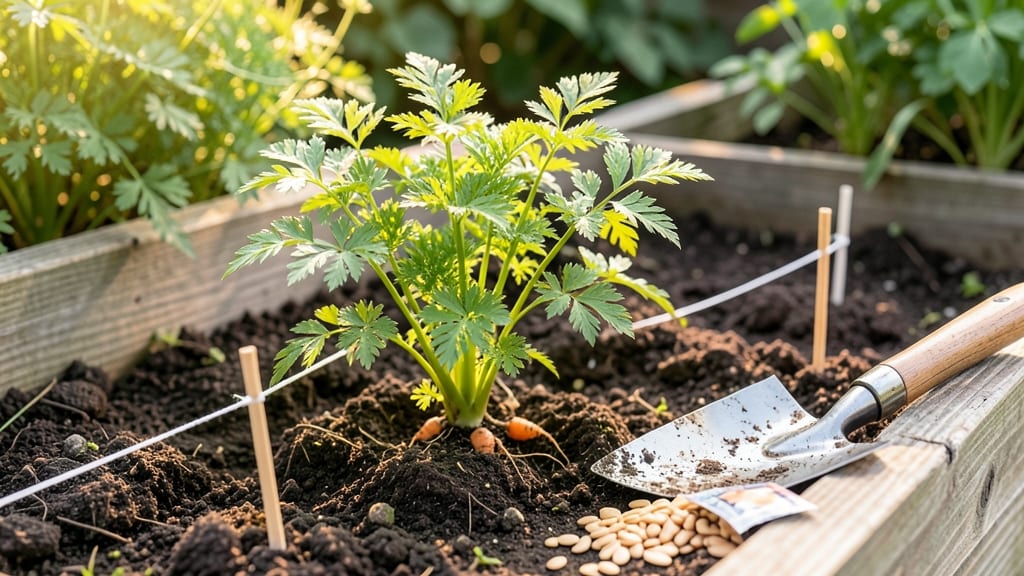
When to plant carrot seeds in Michigan could mean the difference between a garden full of sweet, crisp 🥕 and a patch of bolted disappointment. The key isn't just about the calendar—it's about understanding your local frost dates and how they interact with Michigan's unique growing zones.
With Michigan's 5b-6b climate, you've got two prime windows to plant: mid-April through early July for spring harvests, and late July to early August for fall crops. But getting it wrong can leave you with bitter, woody roots or plants that bolt before they mature.
I've tested these strategies myself, and what works in Detroit might fail in Traverse City. The secret is adjusting for your specific microclimate while keeping soil temperatures in the ideal range. Let me walk you through exactly how to calculate your perfect planting windows using free tools and local data.
You'll discover the exact frost-date calculator methods Michigan State University recommends, plus pro tips to prevent bolting in our unpredictable spring weather. By the end, you'll know exactly when to plant for maximum yield—and when to avoid those risky early starts.
Michigan carrot planting calendar: frost dates and growing zones explained
Michigan’s USDA zones 4-6 create a unique challenge for carrot growers. The last spring frost typically arrives between mid-April and early May, while the first fall frost hits around mid-October.
These dates define your three planting windows: early spring, late spring, and fall. Each window offers a different risk-reward balance for avoiding bolting (premature flowering) and maximizing harvest.
Northern Michigan (zones 4-5) has a shorter growing season (about 140 frost-free days), so focus on early-maturing varieties like ‘Early Nantes’ or ‘Paris Market’. Southern Michigan (zone 6) enjoys 160-180 frost-free days, allowing for longer-season varieties like ‘Danvers Half Long’ or ‘Chantenay’.
The key is aligning your planting with soil temperatures—carrot seeds need 50-60°F soil to germinate reliably.
Here’s how Michigan’s climate dictates your planting schedule:
| Planting Window | USDA Zones | Ideal Planting Month | Soil Temp | Harvest Window |
|---|---|---|---|---|
| Early Spring | 4-6 | Mid-April to early May | 50-60°F | June - early July |
| Late Spring | 4-6 | Early June to early July | 55-65°F | August - September |
| Fall | 4-6 | Late July to early August | 60-70°F | September - November |
The early spring window is riskiest because cold soils delay germination, and seedlings can bolt if temperatures spike. To mitigate this, use row covers or plant in warm microclimates like near south-facing fences.
For late spring plantings, choose heat-tolerant varieties like ‘Red Cored Chantenay’ and keep soil moist to prevent bolting. The fall window is my favorite—cooler temps mean sweeter carrots and fewer pests!
Pro tip: Northern Michigan gardeners should prioritize the fall window for maximum yield, while southern Michigan can stretch into early September plantings for a late harvest. Always check your local frost-date averages—they can vary by 1-2 weeks even within the same county.
For example, Traverse City (zone 5) might have a later last frost than Detroit (zone 6), despite being in the same state.
Another critical factor is seed spacing. In Michigan’s cooler climates, thin seedlings to 2-3 inches apart to prevent competition. Overcrowding leads to forked roots, a common issue in dense, clay-heavy soils.
If your soil is rocky or compacted (common in northern Michigan), mix in compost or sand before planting to improve root development.
Don’t forget about companion planting! Carrots pair well with onions, leeks, and rosemary to deter pests like carrot flies. Avoid planting near dill or parsley, as they attract the same pests.
In my garden, I interplant carrots with lettuce to maximize space and provide shade for young seedlings during Michigan’s hot July afternoons.
Finally, keep an eye on soil moisture. Carrots need consistent watering (about 1 inch per week), but overwatering can cause rot. In Michigan’s humid summers, mulch with straw or grass clippings to retain moisture and suppress weeds.
This is especially important in sandy soils (common in western Michigan), which dry out quickly.
With these zone-specific strategies, you’ll avoid the two biggest mistakes Michigan gardeners make: planting too early (risking frost damage) or too late (missing the harvest window). Next, we’ll dive into how to use frost-date calculators to pinpoint your exact planting dates—no guesswork required!
How to use a frost-date calculator for carrot success (with free tools)
Michigan’s frost dates can shift dramatically from year to year, making it tricky to pinpoint the perfect planting window for carrots. That’s where frost-date calculators come in—these tools help you adjust planting times based on your specific location, soil temperature, and even seed variety.
For Michigan gardeners, using a USDA zone-specific calculator ensures you avoid bolting while maximizing your harvest.
Start by checking your last average frost date (typically mid-April in southern Michigan and early May in northern regions) and your first average frost date (mid-October). These dates form the backbone of your planting schedule.
For carrots, you’ll want to plant 3-4 weeks before the last frost and again in late summer for a fall harvest. Tools like the Michigan State University Extension’s Frost Calculator factor in these variables automatically.
| Tool | Key Feature | Best For |
|---|---|---|
| MSU Extension Frost Calculator | Localized frost maps + soil temp adjustments | Michigan gardeners needing precision |
| Old Farmer’s Almanac | Historical frost data + moon planting phases | Traditional gardeners tracking long-term trends |
| Plantmaps Frost Calculator | Interactive USDA zone heat mapping | Urban gardeners with microclimates |
💡 Pro Tip: Cross-reference with your seed packet’s recommended soil temperature range (50-85°F for carrots).
Once you’ve input your location, most calculators will suggest three planting windows for carrots in Michigan: early spring (late March to early April), late spring (May to early June), and fall (late July to early August).
The early spring window is riskier due to cold soil temperatures, so consider using a seedling heat mat if planting before April 15. For fall plantings, aim to harvest before the first frost—typically by late October in southern Michigan.
Don’t forget to account for microclimates in your area. Urban gardens in Detroit may warm up faster than rural areas in Traverse City, so adjust your planting dates accordingly.
If you’re unsure, err on the side of late planting—carrots tolerate cooler soil better than heat, and bolting is more likely in hot, dry conditions. Always test your soil temperature with a soil thermometer before planting; carrots thrive in soil between 50-85°F.
For extra precision, pair your frost-date calculator with a seed variety heat tolerance chart. Some varieties, like ‘Danvers Half Long,’ handle cooler soils better than ‘Nantes,’ which prefer warmer conditions.
By combining these tools, you’ll minimize bolting risks and ensure a steady supply of homegrown carrots from June through November.
Finally, bookmark these tools for next season: MSU Extension’s Frost Calculator (free), Old Farmer’s Almanac (free), and Plantmaps (free). Each offers unique insights to help you fine-tune your planting schedule year after year. Happy gardening! 🌱