
Plants
Zone 9b cantaloupe planting deadlines: exact dates for spring & fall success
Zone 9b’s year-round growing season means cantaloupe thrives here—but timing still matters. Unlike cooler zones, we avoid winter planting entirely. Instead, focus on late winter to early spring for peak yields. The key? Soil temperatures must hit 70°F+ before seeds go in, or germination stalls.
Most gardeners in Phoenix, Palm Springs, or San Diego plant cantaloupe between mid-February and mid-March. This window ensures vines establish before 100°F+ heat waves arrive in May. Miss this, and your melons may bolt prematurely or develop bitter flavors from stress.
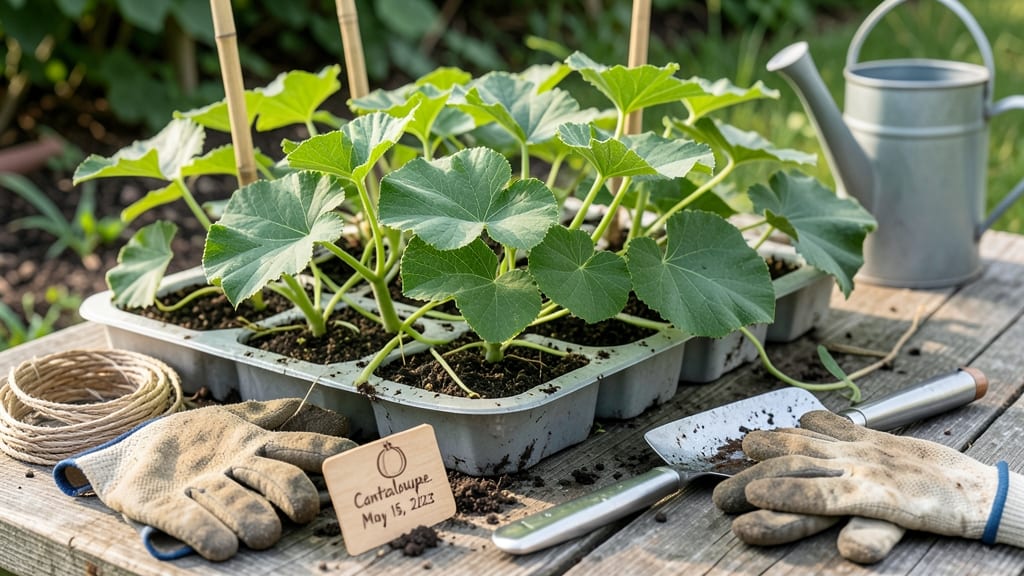
Here’s the foolproof timeline I follow: Start seeds indoors 4-6 weeks before your target outdoor date (early February). Transplant seedlings outdoors only after nighttime temps stay above 60°F consistently. In Zone 9b, that’s usually by mid-March.
For a second harvest, try fall planting in late summer (August). Choose fast-maturing varieties like ‘Minnesota Midget’ (ready in 60 days) to beat October’s cooling trends. Just beware: Daylight shortening can slow growth, so prioritize heat-tolerant seeds.
🚨 Critical Warning: Never plant cantaloupe in Zone 9b during June or July. The intense heat causes vines to shut down, and fruits develop hollow centers. Save these months for succession planting of shorter-season crops.
| Stage | Action | Zone 9b Deadline |
|---|---|---|
| Indoor Seed Start | Sow seeds in biodegradable pots | Early February |
| Hardening Off | Acclimate seedlings to outdoor temps | Late February |
| Outdoor Transplant | Plant after soil hits 70°F | Mid-March |
| First Harvest | Pick when fruit slips easily | Late May |
| Fall Replant | Direct-sow fast varieties | Early August |
🌱 Pro Tip: Use a soil thermometer to confirm 70°F+ before planting!
Microclimates in Zone 9b complicate things. Desert areas like Yuma can plant 2 weeks earlier (late January), while coastal zones (e.g., Santa Barbara) may wait until April to avoid spring fog delays. Always check your local frost-free date—even Zone 9b sees rare 32°F dips in winter.
For container gardening, use black plastic pots to warm soil faster. Place containers in full sun and water deeply every 2-3 days. Black pots can reach 10°F warmer than regular containers, giving seedlings a head start in cool February mornings.
💡 Harvest Hack: Count 70 days from transplanting to estimate your first ripe cantaloupe. Mark the date on your calendar and check fruits daily—overripe melons split in Zone 9b’s heat, wasting your effort.
If you’re new to cantaloupe in Zone 9b, start with 1-2 plants to test your timing. Even experienced gardeners lose crops to powdery mildew or cucumber beetles when planting too late. The sweet spot is March 15th—adjust ±10 days based on your local heat trends.
🌿 Remember: Cantaloupe needs 8+ hours of sun daily. In Zone 9b, shade cloth isn’t an option—it’ll kill your vines. Choose the sunniest spot in your garden, even if it’s near the driveway or patio.
Zone 9b cantaloupe planting deadlines: exact dates for spring & fall success
In Zone 9b, where summers hit 100°F+, cantaloupe thrives—but only if planted at the perfect window. Unlike cooler zones, you’ll skip frost concerns entirely and focus on soil temperature and heat tolerance.
The ideal planting window starts when soil warms to 70°F+, typically mid-February to early March. Planting earlier risks bolting (premature flowering), while late starts may delay harvests until scorching July heat reduces fruit quality.
Zone 9b’s microclimates (like desert vs. coastal areas) shift deadlines by 2-3 weeks. For example, Phoenix gardeners can start late January, while Southern California coastal zones wait until mid-March.
Always check local soil thermometers—cantaloupe seeds need warmth to germinate, and cold soil below 65°F stalls growth completely.
| Stage | Zone 9b Timeline | Critical Notes |
|---|---|---|
| Soil Prep | Late Jan–Early Feb | Amend soil with compost; avoid fresh manure (causes bolt). |
| Planting Window | Mid-Feb–Early Mar | Wait for 70°F+ soil; use black plastic mulch to warm soil faster. |
| Germination | 7–14 Days | Keep soil consistently moist; seeds rot if waterlogged. |
| Harvest Ready | Late May–Early July | Pick when fruit slips easily and smells sweet at the stem. |
| Last Chance | Late July–Early Aug | For fall harvests, use shade cloth to protect vines from 110°F+. |
Miss the spring window? You can try a fall planting in late July–early August, but success depends on shade cloth and drip irrigation. Vines planted after mid-August rarely mature before first frosts (though Zone 9b’s frost risk is minimal).
For container growers, start seeds indoors 6–8 weeks before your target outdoor date to extend flexibility.
Pro Zone 9b gardeners swear by succession planting: Sow seeds every 2 weeks from February to April for a staggered harvest. This ensures you’re not overwhelmed with ripe melons at once.
Pair this with companion planting—try bush beans or radishes nearby to improve soil health and deter pests like cucumber beetles.
One critical mistake in Zone 9b is ignoring afternoon shade. While cantaloupe loves sun, vines wilt in 110°F+ heat. Use 30–50% shade cloth during peak afternoon sun (12–4 PM) to prevent sunscald on young fruits. This simple trick can add 2+ weeks to your harvest window.
Remember: Zone 9b’s heat is your ally—but only if you respect its timing. Plant too early, and your cantaloupe will bolt before fruiting. Plant too late, and you’ll battle intense summer heat.
Stick to these deadlines, and you’ll enjoy sweet, vine-ripened cantaloupe from May through July—just in time for summer picnics! 🍈