
Plants
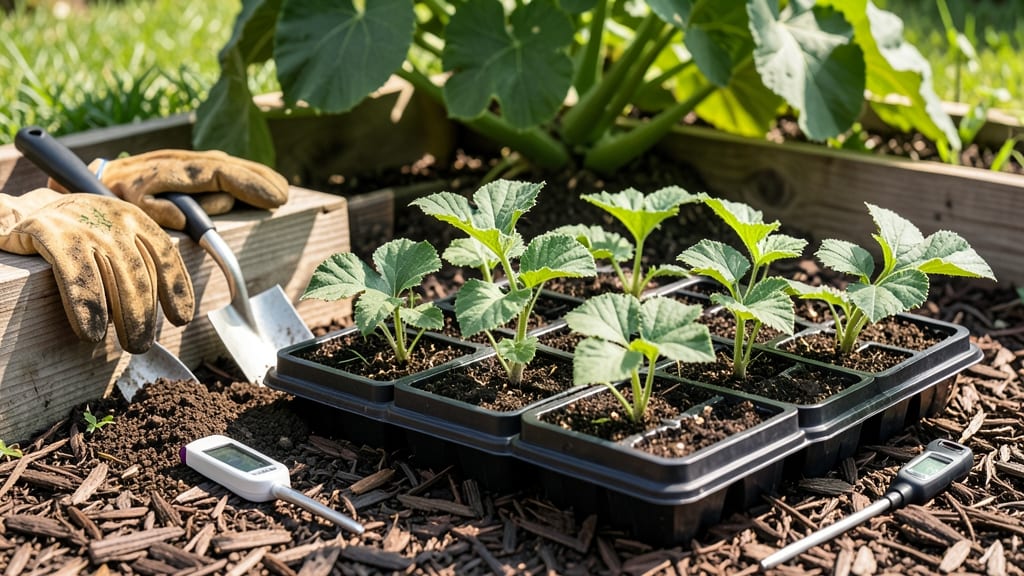
Arkansas cantaloupe planting calendar: frost dates & soil temperature guide
Cantaloupe thrives in Arkansas’ warm summers, but getting the timing right means the difference between a bountiful harvest and wasted effort. The last frost date in most of Arkansas falls around March 15, but that’s just the start—soil temperature is the real game-changer.
Cantaloupe seeds need soil temps of 70°F or higher to germinate properly, and Arkansas’ north and south regions can vary by weeks.
In North Arkansas (USDA Zone 7a), like the Ozarks, you’ll want to wait until mid-to-late April to plant seeds directly in the ground. Meanwhile, South Arkansas (Zone 8a), including the Delta and Arkansas River Valley, can start as early as late March in microclimates with warmer soil.
The key is checking soil temperature with a soil thermometer—don’t rely on air temperature alone.
Here’s the breakdown you need to nail your planting window:
| Region | USDA Zone | Last Frost Date | Ideal Planting Window | Soil Temp Requirement |
|---|---|---|---|---|
| North Arkansas (Ozarks) | 7a | March 15 | April 15–May 1 | 70°F+ |
| Central Arkansas | 7b-8a | March 1–March 15 | April 1–April 15 | 70°F+ |
| South Arkansas (Delta) | 8a | February 28 | March 20–April 10 | 70°F+ |
| All Regions (Summer Planting) | 7a–8a | N/A | June 1–July 15 | 70°F+ |
If you’re planting in North Arkansas, don’t rush—waiting until mid-April ensures your cantaloupe seeds won’t rot in cold soil. For South Arkansas, you can start as early as late March in protected beds or raised rows.
And here’s a pro tip: use black plastic mulch to warm the soil faster if you’re eager to plant early.
For a second harvest, consider a late-June planting. This works especially well in South Arkansas, where summer heat arrives earlier. Just be prepared to provide shade cloth during the hottest afternoons to prevent sunscald on young vines.
Arkansas’ frost-free season spans about 190 days, giving cantaloupe plenty of time to mature. With 60–90 days to harvest, your planting window should align with a July–August harvest. Miss the mark, and you’ll either face frost damage or overripe melons in September’s cooler weather.
One common mistake? Planting too close to Memorial Day. While it might seem safe, Arkansas’ unpredictable spring weather can still bring late frosts. Always check your local Almanac frost dates or use a frost calendar app for real-time updates.
For container gardening, start seeds indoors 4–6 weeks before your last frost date. Use biodegradable pots to transplant seedlings without disturbing roots, and move containers to a sunny patio once nighttime temps stay above 55°F.
Protect young plants with frost cloth if late frosts threaten, and always choose disease-resistant varieties like ‘Athena’ or ‘Hale’s Best’ for Arkansas’ humid summers.
Step-by-step cantaloupe planting timeline for Arkansas gardens
Timing your cantaloupe planting in Arkansas isn’t just about dates—it’s about preparing your garden for success 8 weeks before the last frost. My step-by-step timeline ensures your melons thrive from seed to harvest, even with Arkansas’ unpredictable spring weather.
Start by testing your soil’s pH (6.0–6.8) and amending it with compost if needed.
Four weeks before planting, start seeds indoors under grow lights or in a sunny windowsill. Use biodegradable pots to avoid transplant shock later. Arkansas’ soil temperature must reach 70°F+ before moving seedlings outdoors—use a soil thermometer to check.
🌱 Step-by-Step Arkansas Cantaloupe Planting Timeline
- 8 Weeks Before: Test soil pH (6.0–6.8), add compost, and till 12 inches deep to loosen roots.
- 4 Weeks Before: Start seeds indoors with grow lights (12+ hours/day) or in a sunny window.
- 2 Weeks Before: Harden off seedlings by placing them outside for 2–3 hours/day in partial shade.
- 1 Week Before: Plant seedlings 1 inch deep, spacing them 2 feet apart in hills.
- After Planting: Mulch with straw or grass clippings to retain moisture and suppress weeds.
Two weeks before your target planting date, begin hardening off seedlings by gradually exposing them to outdoor conditions. Start with 2–3 hours of shade and increase time daily. Arkansas’ spring frosts can linger until mid-April in northern regions, so have row covers ready for late nights.
One week before planting, transplant seedlings outdoors after soil warms to 70°F+. Choose a sunny, well-draining spot with 6–8 hours of sunlight daily. Space plants 2 feet apart in hills to encourage strong vine growth. Water deeply after transplanting to help roots establish.
After planting, mulch immediately with straw or grass clippings to retain moisture and regulate soil temperature. Cantaloupes need consistent watering (1–2 inches weekly), but avoid overhead watering to prevent disease. In Arkansas’ humid summers, water in the early morning to reduce fungal risks.
Monitor your plants for vines spreading 3–6 feet—this signals healthy growth. Once flowers appear, reduce nitrogen fertilizer to encourage fruiting. With proper care, your cantaloupes will be ready to harvest in 75–90 days, just in time for Arkansas’ summer heat! 🍈