
Plants
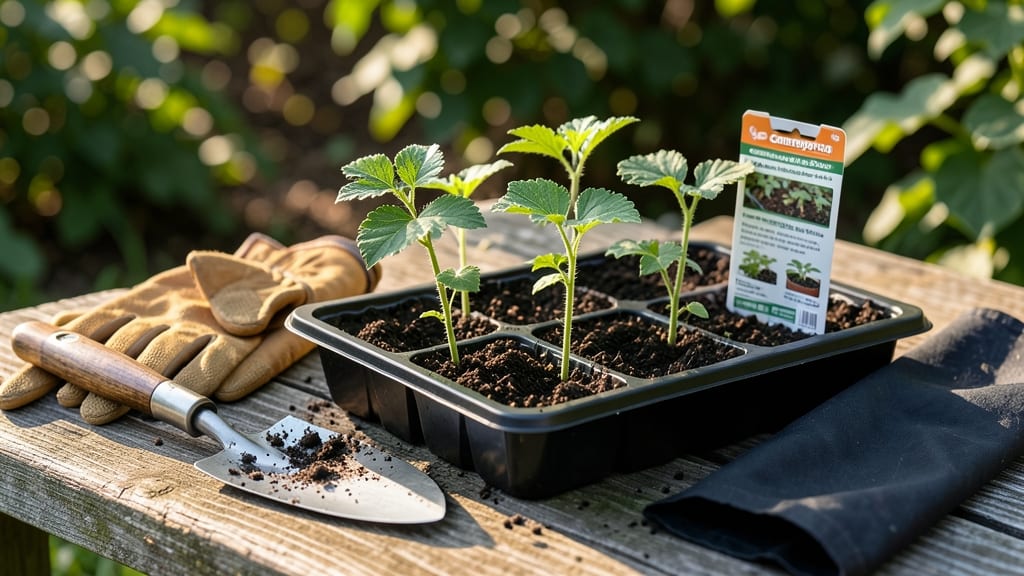
Knowing when to plant cantaloupe in Illinois can mean the difference between a bumper crop and a disappointing harvest. This sweet, juicy fruit needs warmth to thrive, and getting the timing right is crucial—especially when Illinois springs can be unpredictable.
Whether you're a seasoned gardener or just starting out, understanding your hardiness zone and last frost dates is the first step to success.
Cantaloupe 🌱 plants are sensitive to cold, so waiting until the soil reaches at least 70°F is non-negotiable. In Illinois, that usually means planting after mid-May in most zones, but regional variations can shift your schedule by weeks.
I’ll break down exactly when to start seeds indoors or transplant seedlings outdoors, so you can avoid common pitfalls and maximize your chances of a sweet summer harvest.
Beyond timing, the right variety matters just as much. Some cantaloupes mature faster, giving you a head start in shorter Illinois growing seasons. Plus, I’ll share pro tips on soil prep, companion planting, and post-planting care to keep your vines healthy and productive.
Let’s make sure your cantaloupe patch becomes the star of your garden this year!
Don’t let missed deadlines or poor soil conditions ruin your harvest. With the right knowledge, you’ll be enjoying homegrown cantaloupe in no time—ripe, ready, and packed with that unmistakable summer flavor. Let’s get those seeds in the ground at the perfect moment!
Illinois frost dates & best planting windows by hardiness zone
Illinois spans USDA hardiness zones 5a to 7a, and cantaloupe thrives best in zones 6a and warmer. The key to success? Planting after the last frost date—typically mid-to-late May in northern Illinois and early April in southern regions.
But don’t just rely on dates: soil temperature matters most. Cantaloupes need 70°F+ soil to germinate, and cooler soils will stall growth.
Northern Illinois (zones 5a-5b) has the shortest growing season, so gardeners here should focus on early-maturing varieties or extend the season with row covers. Southern Illinois (zones 6a-7a) enjoys longer summers, giving you more flexibility—but even there, a false spring can trick you into planting too soon.
Always check a 7-day soil temperature forecast before sowing seeds directly.
Here’s the golden rule: Wait until nighttime temperatures stay above 55°F consistently. In zone 5a (e.g., Chicago), this usually means late May to early June. In zone 7a (e.g., Cairo), you can start as early as mid-April.
But remember: cantaloupes hate cold, and even a light frost will kill young plants.
| Zone | Avg. Last Frost | Best Planting Window | Soil Temp. Requirement | Notes |
|---|---|---|---|---|
| 5a (e.g., Chicago) | Mid-May | Late May–Early June | 70°F+ | Use row covers; choose fast varieties |
| 5b (e.g., Springfield) | Early May | Early–Mid May | 70°F+ | Start seeds indoors 3–4 weeks early |
| 6a (e.g., Decatur) | Late April | Mid-April–Early May | 65°F+ | Direct sow after frost risk passes |
| 7a (e.g., Cairo) | Mid-March | Early–Mid April | 60°F+ | Longer season; can plant twice |
If you’re unsure about your exact zone, use the USDA Plant Hardiness Zone Map or check your local Cooperative Extension Service for hyper-local advice. For example, Chicago’s urban heat island can push frost dates 1–2 weeks later than rural areas just 20 miles away.
Always err on the side of caution—cantaloupes won’t forgive cold snaps.
Pro tip: Use a soil thermometer to confirm temperatures. Stick it 2 inches deep in the soil on a sunny morning. If it reads below 70°F, wait another week.
Patience now means bigger, sweeter melons later. And don’t forget: black plastic mulch can warm soil by 5–10°F, giving you an earlier start in cooler zones.
For gardeners in zone 5a/5b, consider starter plants from a nursery instead of seeds. Seedlings have a head start and can handle slightly cooler soils. Just be sure to harden them off for 7–10 days before transplanting.
And if you’re in zone 6a or warmer, you can even squeeze in a second planting in July for a fall harvest!
One common mistake? Planting cantaloupe too close to spring and then dealing with blossom-end rot or stunted vines. Always align your planting with consistent warmth, not just the calendar.
And if you’re in a microclimate (like a south-facing slope), you might be able to plant 2–3 weeks earlier than your zone’s average.
Finally, track your first frost date for fall. Cantaloupes need 90–100 days to mature, so count backward from your average first frost (usually mid-October in northern IL and late October in southern IL). This helps you avoid planting too late for a harvest.
Top cantaloupe varieties for Illinois gardens & their planting schedules
Choosing the right cantaloupe variety for Illinois means balancing heat tolerance, maturity speed, and disease resistance. Some varieties thrive in the state’s hot summers while others struggle with humidity or uneven heat.
My top picks for Illinois gardens include Athena, Hale’s Best, and Ambrosia, each with unique strengths for different regions.
For northern Illinois (zones 5a-6a), prioritize early-maturing varieties like Ambrosia, which ripens in 75-85 days. Southern Illinois gardeners (zones 6b-7a) can grow heat-loving types like Hale’s Best, which handles 90°F+ temperatures better than most. Always check your last frost date and adjust planting times accordingly.
The pros cons box below compares these varieties by planting window, maturity, and Illinois-specific performance. Use this to match your microclimate—whether you’re in Chicago’s cooler summers or Southern Illinois’ extended heat.
Variety Comparison
| Variety | Planting Window (IL) | Days to Maturity | Best For Zone | Pros | Cons |
|---|---|---|---|---|---|
| Athena | Late April–May | 75–85 days | 5a–6b | Disease-resistant, sweet | Needs warm soil |
| Hale’s Best | May–June | 80–90 days | 6a–7a | Heat-tolerant, large fruit | Slower to mature |
| Ambrosia | Late April–May | 70–80 days | 5a–7a | Early harvest, compact | Smaller fruit size |
When planting, soil temperature is critical—wait until it reaches 70°F+ at least 1 inch deep. For northern Illinois, start seeds indoors 4–6 weeks before the last frost, then transplant after Memorial Day. In southern Illinois, direct-sow seeds in late April if your soil warms early.
Pro tip: Mulch heavily with straw to retain soil warmth and moisture, especially for early plantings. This helps cantaloupes establish roots faster in Illinois’ unpredictable spring weather. Pair with companion plants like basil or radishes to deter pests naturally.
Watch for powdery mildew in humid years—space plants 3–4 feet apart and water at the base to avoid fungal issues. With the right variety and timing, you’ll enjoy homegrown cantaloupes from July through September.