
Plants
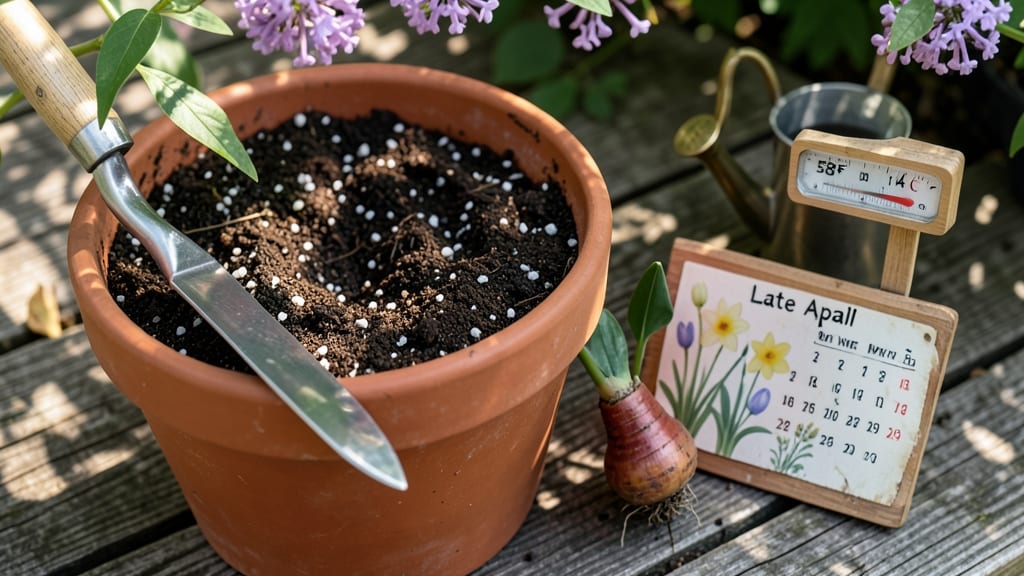
Timing when to plant calla lily bulbs in Zone 5 just right is the difference between showstopping blooms and sad, wilted stems. Plant too early, and frost will zap your rhizomes before they even sprout.
Too late, and you’ll miss the prime growing window—leaving your garden looking bare when neighbors are admiring their lush, frost-resistant calla displays.
Most gardeners in Zone 5 wait until after the last frost—typically mid-May—but the real secret lies in soil temperature. Your calla lilies won’t thrive until the ground warms to at least 60°F, which can happen weeks after the last frost date.
I’ll show you exactly how to time it, so you’re planting when the soil is ready, not just when the calendar says spring has arrived.
This isn’t just about dates—it’s about zero-frost success. We’ll cover how to check soil warmth, adjust for microclimates in your area, and avoid the common mistakes that kill blooms before they even open.
Whether you’re a first-time planter or a seasoned gardener, these tips will help you grow calla lilies that outshine the competition.
Ready to transform your garden? Let’s dive into the exact timing, soil prep, and climate tricks that’ll give your calla lilies the perfect start—so you can enjoy their dramatic beauty from summer through early fall.
Zone 5 calla lily planting timeline: exact dates by soil temperature triggers
Calla lilies thrive in Zone 5 when planted at the right time, but timing is everything to avoid frost damage. The ideal window is after your last frost date (typically mid-May in most of Zone 5), but soil temperature is the true trigger.
Plant too early, and frost will kill tender rhizomes; too late, and you’ll miss peak blooms.
For zero-frost success, wait until soil reaches 60°F (15°C) at least 6 inches deep. This usually aligns with late May to early June, but microclimates vary. Urban areas warm faster than rural spots, so test your soil with a soil thermometer for precision.
Here’s how to align your planting with Zone 5’s frost-free window. With 165 frost-free days, calla lilies have plenty of time to establish roots and bloom.
Start too early (before May 15), and you risk frost damage; too late (after June 15), and blooms may be sparse.
| Stage | Action | Soil Temp | Zone 5 Date Range |
|---|---|---|---|
| Soil Prep | Loosen soil, add compost, choose partial shade spot | N/A | March–April |
| Planting Window | Plant rhizomes 4–6 inches deep, 6 inches apart | 60°F+ | Late May–Early June |
| First Frost Risk | Cover with mulch or frost cloth if late frost threatens | Below 32°F | Mid-October |
| Dormancy Prep | Cut back foliage, apply 3-inch mulch layer | Below 50°F | November |
If you’re in northern Zone 5 (e.g., Minnesota, Wisconsin), aim for June 1 planting to avoid late frosts. Southern Zone 5 (e.g., Indiana, Missouri) can plant as early as May 15.
Use your local frost date as a guide—check the USDA Plant Hardiness Zone Map for your exact location.
Pro tip: Plant calla lily bulbs in containers if your spring is unpredictable. This lets you move them indoors or to a garage if frost threatens. Containers also help control soil warmth and drainage, which calla lilies crave.
For fall planting (a common but risky strategy), plant 6–8 weeks before first frost (usually late August in Zone 5). However, calla lilies struggle to establish roots in cool fall soil, so spring planting is recommended for beginners.
If you try fall, use a black plastic mulch to warm the soil.
Monitor your local weather patterns for 3–5 days before planting. If nighttime temps dip below 50°F (10°C), delay planting. Calla lilies are tender perennials—they won’t survive frost once sprouted. Patience now means stunning blooms from July to September.
Once planted, mulch with 2–3 inches of straw or shredded leaves to retain soil moisture and warmth. This mimics their native tropical habitat and encourages robust growth. Avoid thick mulch layers, though—too much mulch can rot rhizomes.
🌱
5 Critical signs your Zone 5 soil is ready for calla lily bulbs (and what to do if it’s not)
Testing your soil before planting calla lily bulbs in Zone 5 isn’t just guesswork—it’s the difference between vibrant blooms and wilted rhizomes. Since these tropical plants thrive in warm, moist soil, timing your planting to match 5 key soil conditions ensures they establish roots quickly and bloom prolifically.
Skip this step, and you risk slow growth or even bulb rot.
First, check if your soil has warmed to at least 60°F (15°C) at a depth of 6 inches. Use a soil thermometer—this is your #1 indicator.
Calla lilies won’t sprout until the soil hits this temperature, and planting too early can lead to frost damage or dormant bulbs. If your soil is still cool, wait another week or two.
Next, assess soil moisture by sticking your finger 2 inches deep. The soil should feel damp but not soggy. Calla lilies hate waterlogged conditions, which can cause rhizome rot.
If your soil is bone-dry, water it deeply 2–3 days before planting to mimic their natural humid, tropical environment. Overwatering is just as harmful as underwatering.
- Soil temp ≥60°F (15°C) at 6" depth. Test with a thermometer—this is non-negotiable for sprouting.
- Moist but not waterlogged. Squeeze a handful—it should hold shape but not drip. Add compost if too dry.
- No frost risk for 10+ days. Check your local frost-free date (usually mid-May in Zone 5). Planting before this is risky.
- Loose, well-draining soil. Amend heavy clay with compost or sand to prevent rot. Calla lilies hate compacted soil.
- Partial shade spot confirmed. Test your chosen area—calla lilies thrive in 4–6 hours of morning sun but avoid afternoon heat.
If your soil isn’t ready, don’t panic—there are fixes. For cool soil, use black plastic mulch 2–3 weeks before planting to warm it faster. For dry soil, water deeply every 2–3 days until planting.
And if your soil is too compacted, mix in 2–3 inches of compost or peat moss to improve drainage.
One common mistake in Zone 5 is planting calla lilies too early because the air feels warm. But soil temperature lags behind air temperature—it can be 70°F outside while the soil is still 50°F.
Always prioritize soil warmth over air temp. Pro tip: Plant in containers if your spring is unpredictable. This lets you move them indoors if frost threatens.
Finally, observe your local weather patterns for 3–5 days before planting. If nighttime temps dip below 50°F (10°C), delay planting. Calla lilies are tender perennials, and even a light frost can kill new growth.
Use a frost cloth as a backup if you’re cutting it close to the last frost date.
Once you’ve confirmed all 5 signs, it’s time to plant! Place rhizomes 4–6 inches deep and 6 inches apart in well-draining soil. Water deeply after planting to settle the soil and encourage root growth. With the right conditions, you’ll see sprouts in 2–3 weeks and blooms by midsummer.
🌿