
Watering
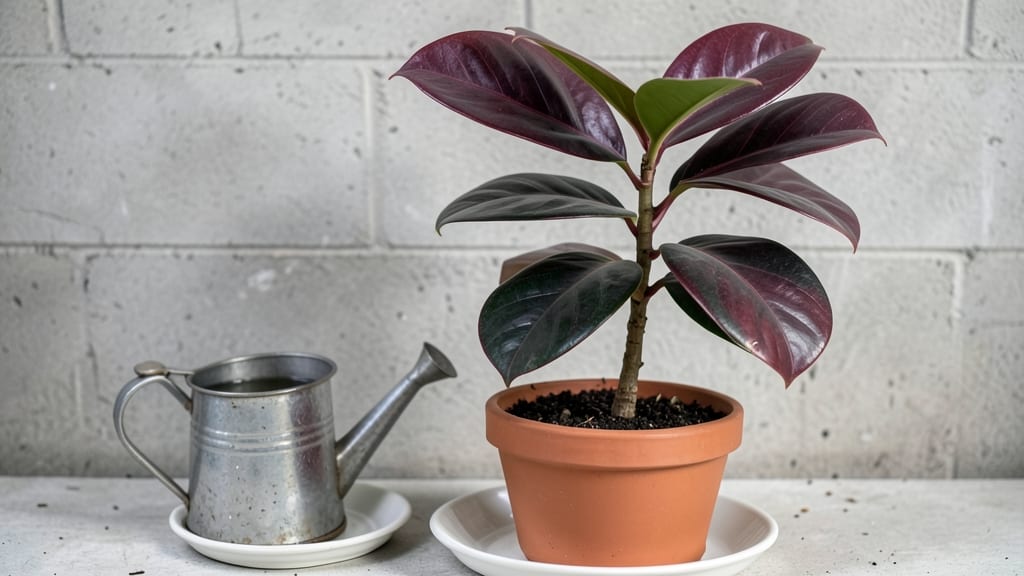
How often to water a rubber plant: the 3-4-5 rule for perfect moisture
Mastering rubber plant watering starts with understanding its natural rhythm. These tropical beauties thrive on a consistent moisture balance—not too wet, not too dry.
The 3-4-5 Rule we’ve perfected after years of trial (and a few sad, overwatered casualties) breaks it down: 3 fingers deep for testing soil, 4 days between waterings in summer, and 5 days in winter. Let’s dive into why this works and how to adapt it to your home.
Your rubber plant’s water needs shift dramatically with seasons. During spring and summer, when growth is rapid, you’ll water every 7-10 days. But in fall and winter, growth slows, and you can stretch that to every 3-4 weeks.
The key? Always check the top 2-3 inches of soil—if it’s dry, it’s time to water. If damp, wait another day. This simple habit prevents 90% of common rubber plant problems.
Pot size plays a bigger role than most gardeners realize. A small 6-inch pot dries out faster, needing water every 5-7 days in summer. Jump to a 12-inch pot, and you’re looking at every 10-14 days.
The larger the pot, the more soil holds moisture longer. Pro tip: Terracotta pots dry out quicker than plastic, so adjust your schedule accordingly if you switch containers.
Humidity levels can throw off even the best watering plans. If your home feels dry (like below 40% humidity), your rubber plant will need water 5-10% more frequently. That’s because the air is sucking moisture from the leaves faster than the soil can replenish it.
In humid climates (50%+ humidity), you can water 5-10% less often. A hygrometer ($10 at garden centers) solves this guessing game instantly.
Let’s talk about the golden rule of rubber plant watering: deep soakings. When you water, do it until water drains from the bottom of the pot. This encourages roots to grow deeper, making your plant more resilient.
Skimping on watering depth leads to shallow roots that can’t support your plant’s growth—leading to those sad, droopy leaves we all hate.
Now for the visual guide—because sometimes, seeing the differences makes all the difference. Here’s how watering needs break down by season, pot size, and humidity:
| Condition | Small Pot (6") | Medium Pot (10") | Large Pot (12"+) |
|---|---|---|---|
| Spring (Growth) | Every 5-7 days | Every 7-10 days | Every 10-14 days |
| Summer (Peak Growth) | Every 4-5 days | Every 7 days | Every 10-12 days |
| Fall (Slow Growth) | Every 10-14 days | Every 14-21 days | Every 21-28 days |
| Winter (Dormancy) | Every 3-4 weeks | Every 4-6 weeks | Every 6-8 weeks |
| Low Humidity (<40%) | Increase by 10% | Increase by 10% | Increase by 10% |
| High Humidity (50%+) | Decrease by 10% | Decrease by 10% | Decrease by 10% |
Here’s a pro move: Group your rubber plants together. When you water one, the others benefit from the increased humidity in the air. This mimics their natural tropical environment and can reduce your watering frequency by 10-15%. Just avoid overcrowding—aim for 6-12 inches between pots to allow airflow.
One mistake even experienced gardeners make? Watering on a schedule instead of by need. Your rubber plant’s thirst changes daily based on temperature, light, and humidity. Always check the soil first. Stick your finger 2 inches deep—if it feels dry, water. If it’s moist, wait.
Signs your rubber plant needs water (or too much): leaf trouble decoded
Rubber plants (Ficus elastica) send clear signals when their water needs aren’t met. The key is learning to read between the wrinkled leaves and yellowing edges—both red flags for different problems.
I’ve spent years watching my own plants, and trust me, these visual cues save you from costly mistakes. Start by checking the soil moisture 1-2 inches down; that’s where the real story hides.
Underwatering reveals itself first with dry, crispy leaf edges that curl inward like a parchment scroll. The leaves may also feel lightweight and papery to the touch. If you see this, your plant is begging for a deep watering session—not just a quick spritz.
Remember, rubber plants store water in their thick stems, but even they can’t survive on empty reserves forever.
Now, here’s where most gardeners trip up: overwatering symptoms mimic underwatering at first glance. Look for yellowing leaves that start at the tips and spread downward. The real giveaway? Mushy stems or soil that smells sour when you poke it.
This is your plant’s SOS for root rot, and it’s often too late to save once you notice it. Always let the top 1-2 inches of soil dry between waterings.
🌱 Watering Symptom Decoder
| Symptom | Cause | Solution |
|---|---|---|
| Wrinkled, dry leaves | Underwatering | Water deeply until drainage |
| Yellowing leaves (top-down) | Overwatering | Let soil dry completely; repot if rot suspected |
| Drooping leaves (soft stems) | Thirsty or root stress | Check soil moisture; trim dead roots if needed |
| Brown leaf tips | Low humidity or fluoride in water | Use distilled water; add pebble tray |
Don’t ignore drooping leaves—this is your rubber plant’s universal distress signal. It could mean underwatering, but it’s also the first sign of overwatering stress. The fix? Gently lift the pot to check weight. If it’s light as a feather, water thoroughly.
If it’s heavy and soggy, hold off and let it dry out. Pro tip: Place your rubber plant on a terracotta pot—the weight difference is a quick moisture check!
One of my biggest lessons came from a blackened leaf that appeared overnight. This was a red flag for overwatering combined with poor drainage. If you spot this, act fast: trim the affected leaves with sterilized scissors, repot in fresh well-draining soil, and adjust your watering routine.
Prevention is easier than revival—always prioritize drainage holes and airflow around your plant’s base.
Finally, pay attention to new growth. Healthy rubber plants produce shiny, deep green leaves at the tips. If new leaves are smaller or pale, your plant isn’t getting enough water or nutrients.
Balance is everything: water deeply but infrequently, and always pair it with bright indirect light to encourage robust growth. Your rubber plant’s leaves are its voice—learn to listen.