
How To
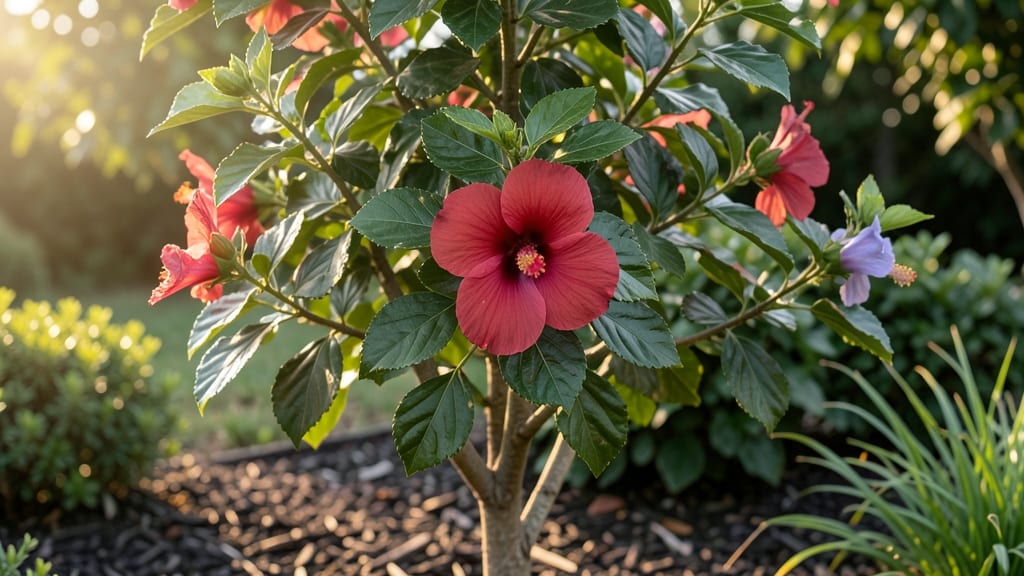
Hibiscus height ranges by variety: tropical vs hardy types explained
Hibiscus plants are stunning additions to any garden, but their height can vary dramatically depending on the variety and growing conditions.
Tropical hibiscus, like the Hibiscus rosa-sinensis, often reach 8–15 feet tall in ideal climates, while hardy hibiscus, such as Hibiscus moscheutos, typically max out at 6–10 feet. Even dwarf varieties stay compact at 3–5 feet, making them perfect for containers or small gardens.
Choosing the right type depends on your space constraints and climate zone. For example, Hibiscus syriacus (Rose of Sharon) thrives in cooler regions and rarely exceeds 10 feet, while Hibiscus schizopetalus (Fringed Hibiscus) grows as a woody shrub reaching 6–8 feet.
Let’s break down the key differences so you can pick the perfect fit for your garden.
🌸 Visual Comparison: Imagine a mailbox (3–4 ft) next to a 2-story house (20+ ft)—hibiscus varieties span that entire range, from dwarf varieties to towering tropical giants.
If you’re growing hibiscus in containers, expect 20–30% shorter heights due to root restriction. For example, a 15-foot tropical hibiscus in a large pot might only reach 10–12 feet. Always choose a container at least 2 feet wider than the plant’s mature spread to avoid stunted growth.
For fastest growth, tropical hibiscus thrive in USDA Zones 9–11 with consistent warmth. In cooler zones, opt for hardy varieties like Hibiscus syriacus, which can survive Zone 5 winters with proper mulching. Even in ideal conditions, hibiscus typically take 2–3 years to reach their full height.
Pro tip: Pinch back young hibiscus in early spring to encourage bushier growth and slightly shorter stature. This technique works especially well for tropical varieties that tend to grow leggy without guidance.
🌿 Height hack: If your hibiscus is outgrowing its space, prune in late winter to reset growth. Aim to cut back 1/3 of the plant’s height—this won’t kill it but will stimulate compact new growth for the next season.
Now that you know the height ranges, let’s tackle how pruning and care can further shape your hibiscus’s growth trajectory—especially if you’re working with limited space or aiming for a specific look.
How pruning affects hibiscus height: when, how, and what to trim
Pruning isn’t just about shaping your hibiscus—it’s the secret weapon to controlling its height. If you’re growing a tropical hibiscus that could tower to 15 feet without intervention, strategic cuts can keep it at a manageable 5-6 feet. The key is timing and technique, which I’ll break down so you can avoid common mistakes that stunt growth or invite pests. Most gardeners make one of two errors: either pruning too late in the season or cutting too aggressively. Both can stress the plant and reduce next year’s blooms. Instead, think of pruning as a growth conversation—you’re guiding the plant’s energy toward the shape and size you want. Let’s start with the basics: when to prune for height control. The best time to prune hibiscus for height management is late winter or early spring, just as new growth begins. This timing ensures you’re not removing buds that could become blooms. For hardy hibiscus varieties, a second light pruning in early summer can encourage bushier growth, but avoid heavy cuts after mid-July—this gives the plant time to harden off before winter. Tropical hibiscus, which are less cold-hardy, can be pruned year-round in warm climates, but always wait until after a bloom cycle to avoid sacrificing flowers. Now, let’s talk tools. You’ll need clean, sharp pruners (bypass pruners work best) and rubbing alcohol to sterilize them between cuts. Hibiscus sap can harbor bacteria, so disinfecting your tools prevents the spread of disease. For larger branches, a pruning saw with a fine-tooth blade will make the job easier. Pro tip: Always make cuts at a 45-degree angle, about 1/4 inch above a leaf node or outward-facing bud. This encourages new growth in the right direction and reduces water pooling on the cut.Step-by-Step Pruning Guide for Hibiscus Height Control
- Step 1: Remove Dead or Damaged Wood – Start by cutting out any branches that are brown, brittle, or diseased. These won’t regrow and can spread problems.
- Step 2: Thin Out Crowded Branches – Look for branches growing toward the center of the plant. Cut these back to open up the canopy and improve airflow, which reduces fungal risks.
- Step 3: Trim Back Overgrowth – For height control, focus on the tallest branches. Cut back to a leaf node or bud, aiming for a balanced shape rather than a flat top.
- Step 4: Shape for Bushiness – If you want a fuller, shorter hibiscus, trim the top 1/3 of the tallest stems. This encourages side branches to fill out.
- Step 5: Clean Up the Work Area – Rake up and dispose of pruned material to prevent pests from using it as a hiding spot.