
Flowers
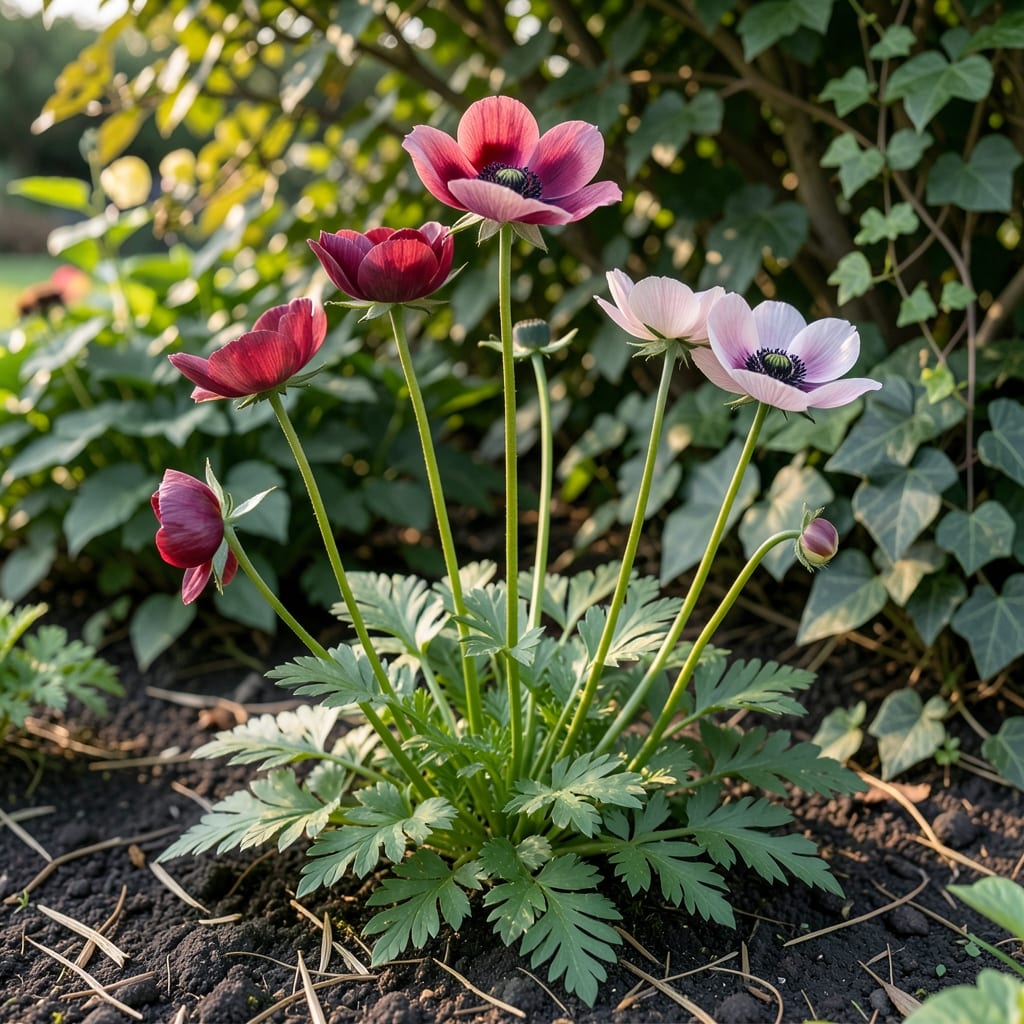
Wondering how tall your 🌸 anemone flowers will grow? The answer might surprise you—these delicate yet dramatic blooms can range from tiny 6-inch ground covers to towering 5-foot garden stars, depending on the variety and care you provide.
If you're planning your garden layout, knowing anemone height is key to avoiding overcrowding or underwhelming displays. Some varieties, like the classic windflower, stay compact, while others like the Japanese anemone reach impressive heights that need proper support.
But here's the catch: height isn't just about the plant itself. Sunlight, soil quality, and even spacing play huge roles in determining how tall your anemones will grow. With the right conditions, you can coax even dwarf varieties to reach their full potential—or keep tall types in check.
Let's break down exactly what to expect from each variety and how to optimize their growth for a stunning, balanced garden display. You'll learn which types thrive in tight spaces and which need room to stretch their legs—literally!

Anemone flower height guide: dwarf varieties under 12 inches
If you love the ethereal beauty of anemones but have limited space, don’t worry—there are plenty of dwarf varieties that thrive in containers, rock gardens, and tight borders. These compact beauties typically stay under 12 inches tall, making them perfect for adding color without overwhelming your space. Let’s explore the smallest anemone species and how to keep them looking their best.
One of the most popular dwarf anemones is Anemone blanda, also known as the windflower. This charming variety rarely exceeds 6 inches in height, making it ideal for edging pathways or filling gaps in rock gardens. Its delicate blooms appear in early spring, often before many other perennials even emerge.
The wood anemone (Anemone nemorosa) is another compact gem, typically reaching 8–12 inches tall. Native to woodlands, it thrives in partial shade and spreads gently to form a lush carpet of white, pink, or blue flowers. This variety is perfect for underplanting shrubs or adding a woodland feel to your garden.
Anemone coronaria, commonly called the poppy anemone, also has dwarf cultivars that stay under 10 inches. These are often grown as annuals for their vibrant, cup-shaped blooms in shades of red, pink, and blue. They’re fantastic for containers or as cut flowers, adding a pop of color to small spaces.
🌱 Dwarf Anemone Varieties Summary
| Variety | Height | Best For | Care Tips |
|---|---|---|---|
| Anemone blanda | 3–6 inches | Rock gardens, borders | Full sun to partial shade; well-draining soil |
| Anemone nemorosa | 8–12 inches | Woodland gardens, underplanting | Partial shade; mulch to retain moisture |
| Anemone coronaria (dwarf) | 6–10 inches | Containers, cut flowers | Full sun; deadhead for continuous blooms |
To keep your dwarf anemones thriving, focus on well-draining soil and moderate watering. These plants dislike soggy roots, so amend heavy clay with compost or sand. Place them in partial shade to prevent legginess, especially for varieties like Anemone blanda, which can stretch if given too much direct sun.
For container gardening, choose pots with drainage holes and use a lightweight potting mix. Dwarf anemones appreciate being crowded, so plant them 3–4 inches apart to encourage bushier growth. If you notice their stems becoming weak, a light balanced fertilizer in early spring can give them a boost without causing excessive foliage growth.
One of the biggest mistakes gardeners make with dwarf anemones is overwatering. These plants prefer consistent moisture but can rot if kept too wet. Aim to water once a week, allowing the top inch of soil to dry out between waterings. In containers, you may need to water more frequently, especially during hot spells.
If you’re using dwarf anemones in rock gardens, pair them with other low-growing perennials like ajuga or heuchera to create a layered effect. Their delicate blooms will contrast beautifully with the bold foliage of these companions. For containers, mix them with sweet alyssum or calendula for a cheerful, long-lasting display.
Deadheading spent blooms is another key tip to encourage more flowers. Simply pinch off the faded blooms with your fingers or pruners, and your anemones will reward you with a second flush of flowers later in the season. This is especially effective for Anemone coronaria cultivars, which can bloom intermittently from spring to fall.
Finally, remember that dwarf anemones are perennials in many climates (USDA zones 4–9), meaning they’ll return year after year with minimal care. Once established, they’ll spread gently, filling in bare spots and adding long-lasting color to your garden with almost no effort on your part.
How anemone height varies by growing conditions: sun, soil, and spacing
Anemone flowers don’t grow to their full potential by accident—they respond dramatically to your garden’s conditions. Too much shade can stretch stems, while poor soil drainage might stunt growth entirely. Even the spacing between plants affects how tall they reach, as crowded roots compete for nutrients. Understanding these factors lets you control height naturally without staking or pruning.
Sunlight is the biggest height influencer for anemones. Most varieties thrive in partial shade (4–6 hours of sun), but too little light triggers leggy growth as plants stretch toward any available light. For example, Anemone hupehensis might only reach 3 feet in full shade but 5 feet with morning sun. The key? Morning sunlight (6 AM–10 AM) without harsh afternoon rays.
This trick adds 1–2 extra inches of growth to compact varieties like Anemone blanda.
Soil drainage is equally critical—waterlogged roots cause anemones to stay short and weak, while sandy soil can make them bolt upright too fast. Amend clay soil with compost or perlite to improve drainage, and mix in organic matter (like leaf mold) to retain moisture without suffocating roots. A well-draining, slightly acidic soil (pH 6.0–7.0) is ideal for most varieties.
Spacing plays a surprising role in height control. Overcrowded anemones compete for nutrients, leading to shorter, bushier growth—but this can also weaken stems and reduce flowering. For tall varieties (3+ feet), space plants 18–24 inches apart to give stems room to develop strong support structures. Dwarf types (12 inches or less) can thrive in 6–12 inch spacing, but avoid packing them too tightly.
One often-overlooked factor is seasonal pruning. Pinching back new growth in early spring by 1/3 encourages bushier, shorter plants with more blooms. For tall anemones, avoid heavy pruning—focus on removing only dead foliage to redirect energy to stem strength. This simple trick can reduce height by 6–12 inches in some varieties.
If your anemones are growing too tall for your space, try these natural height-control methods:
- Reduce nitrogen in fertilizer (use a low-NPK blend like 5-10-10).
- Plant in containers with limited root space (roots bind, slowing vertical growth).
- Interplant with taller species (like delphiniums or hollyhocks) to block excess light and promote bushiness.