
How To
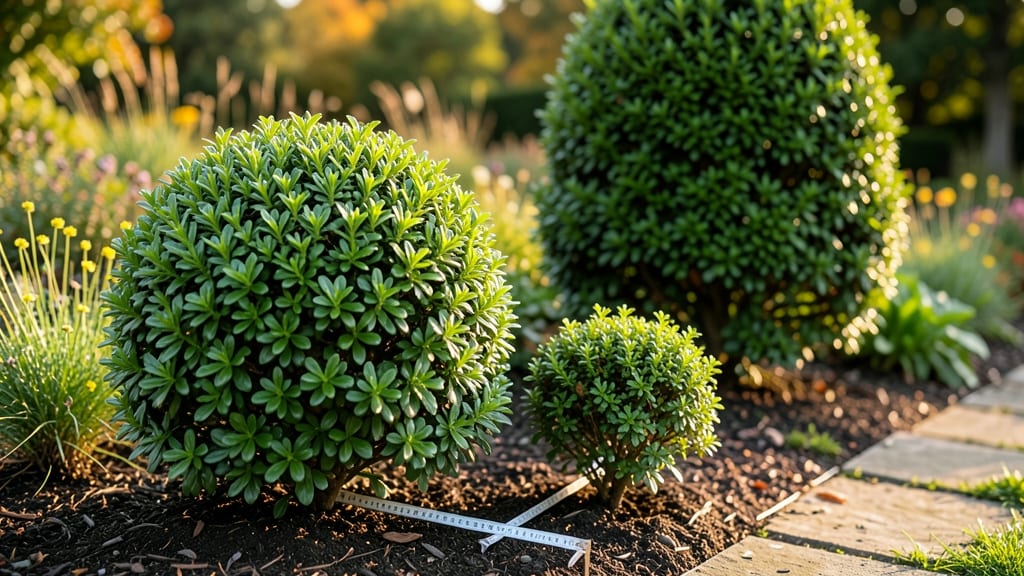
If you're wondering "how tall will boxwood grow" in your garden, the answer depends more on the variety you choose than anything else—but smart pruning can make all the difference.
Some boxwoods 🌿 can tower up to 15 feet if left unchecked, while dwarf varieties stay neatly under 3 feet, perfect for borders or hedges.
Let’s cut through the confusion: I’ll show you exactly what to expect from popular boxwood types, from the compact 'Green Velvet' to the bold 'American Holly.' You’ll also discover the best pruning times and techniques to keep your shrubs at your ideal height—without sacrificing their health or shape.
Whether you’re dealing with a runaway shrub or trying to maintain a meticulously manicured look, this guide gives you the tools to control growth naturally. No more guessing—just clear, actionable steps to shape your boxwoods exactly how you want them.
Ready to transform your garden? Let’s dive into the secrets of keeping your boxwoods at the perfect height—no matter their starting size.


Natural boxwood growth heights by variety: what to expect without pruning
Boxwoods are one of the most versatile shrubs for landscaping, but their mature height can vary dramatically depending on the variety. Without pruning, some boxwoods can grow into towering hedges, while others stay compact enough for container gardening.
Understanding these differences helps you choose the right plant for your space and avoid overgrowth headaches.
Most boxwood varieties grow between 3 to 15 feet tall when left unpruned, but their growth habits differ significantly.
For example, the 'Green Velvet' variety typically reaches 3 to 4 feet, making it ideal for low hedges or foundation plantings, while the 'American Holly' boxwood can soar up to 12 feet in height. Knowing these ranges helps you plan your garden layout and set realistic expectations for maintenance.
Here’s a quick snapshot of what to expect from popular boxwood varieties if you skip the pruning shears:
| Variety | Mature Height (ft) | Growth Rate | Best For |
|---|---|---|---|
| Dwarf Burki | 1–3 ft | Slow (6–12 in/year) | Containers, borders, rock gardens |
| Little Leaf | 2–4 ft | Moderate (12–18 in/year) | Hedges, topiary, foundation plantings |
| Green Velvet | 3–4 ft | Moderate (12–18 in/year) | Formal hedges, privacy screens |
| Winter Gem | 3–5 ft | Fast (18–24 in/year) | Year-round color, mixed borders |
| American Holly | 6–15 ft | Very Fast (24+ in/year) | Tall hedges, woodland gardens |
Environmental factors like sunlight exposure, soil quality, and water availability can also influence how tall your boxwood grows. For instance, boxwoods in full sun may grow taller and leggier, while those in partial shade tend to stay bushier and more compact.
Poor soil drainage or nutrient deficiencies can stunt growth, while rich, well-draining soil encourages healthier, faster growth.
If you’re planting boxwoods near a fence or wall, consider the 'American Holly' variety, which can reach heights of 12 to 15 feet and create a natural privacy screen.
On the other hand, if you’re working with a small garden or container space, 'Dwarf Burki' or 'Little Leaf' are excellent choices, staying under 3 feet tall without pruning. Always check the specific variety’s care tags for the most accurate growth expectations.
One common misconception is that boxwoods grow at a steady rate year after year. In reality, their growth slows significantly after the first 3 to 5 years, especially once they reach maturity.
This means that if you plant a 'Green Velvet' boxwood today, it might only grow another 6 inches per year after its third year, making long-term height control much easier.
For gardeners who love the look of boxwoods but dread the maintenance, choosing a dwarf variety is a game-changer. Varieties like 'Nana' or 'Suffruticosa' rarely exceed 2 feet in height, even without pruning, and thrive in containers or as edging plants.
These compact options are perfect for urban gardens, patios, or small yards where space is limited.
If you’re unsure which variety to pick, consider your garden’s long-term vision. Will you need a tall hedge for privacy, or are you looking for a low, manicured border? Matching the boxwood’s natural growth habit to your design goals will save you time and effort in the long run.
For example, a 6-foot-tall hedge made of 'Winter Gem' will require less pruning than a 12-foot-tall 'American Holly'.
Remember, even the tallest boxwoods can be managed with the right pruning techniques. The key is to start with the right variety for your space and then use strategic pr
Natural boxwood growth heights by variety: what to expect without pruning
Boxwoods are one of the most versatile shrubs for landscaping, but their mature height can vary dramatically depending on the variety. If you're wondering how tall will boxwood grow without pruning, the answer depends on whether you've planted a dwarf, semi-dwarf, or standard cultivar.
For example, the 'Dwarf Burki' stays compact at just 1-2 feet, while 'American Holly' can tower up to 12-15 feet if left unchecked.
Understanding these differences helps you choose the right variety for your space. A 3-foot-tall boxwood like 'Green Velvet' works perfectly for foundation plantings, while a 6-foot variety like 'Winter Gem' adds height to mixed borders.
Without pruning, boxwoods grow slowly—about 6-12 inches per year, so their height is predictable over time.
Here’s a quick reference to help you visualize growth without pruning:
| Variety | Mature Height (ft) | Growth Rate (in/year) | Best For |
|---|---|---|---|
| 'Dwarf Burki' | 1-2 | 3-6 | Borders, containers |
| 'Green Velvet' | 2-3 | 6-8 | Hedges, topiary |
| 'Winter Gem' | 3-4 | 8-10 | Foundation plantings |
| 'American Holly' | 10-15 | 12-18 | Specimen plants, privacy screens |
Soil quality and sunlight also play a role in height. Boxwoods planted in rich, well-draining soil with partial shade grow more slowly and compactly, while those in poor soil or full sun may stretch taller.
If you’ve noticed your boxwood reaching unexpected heights, it might be time to adjust its growing conditions or prune strategically.
For instance, 'Little Leaf' boxwoods are bred to stay under 3 feet but can grow taller if over-fertilized. Always check the tag at the nursery for the expected mature size—this is your best guide before planting.
If you’re unsure, err on the side of dwarf varieties for small spaces or containers.
Even with the right variety, boxwoods can outgrow their space over time. The key to maintaining their height lies in consistent pruning, which we’ll cover in the next section. Pruning not only controls height but also encourages denser, bushier growth—perfect for that polished, manicured look.