
How To
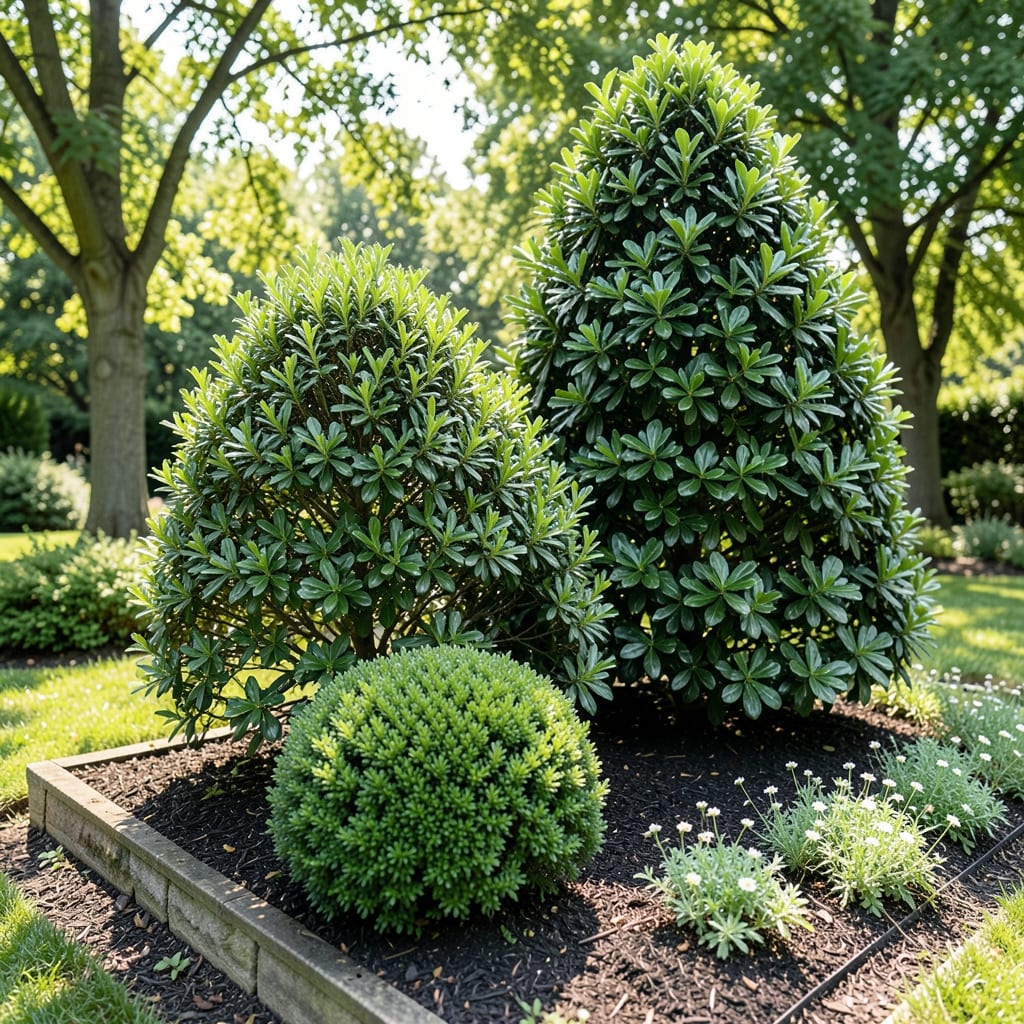
If you’ve ever wondered how tall boxwood grow and whether they’ll stay neatly contained or stretch toward the sky, the answer lies in choosing the right variety—and giving them the care they deserve. Boxwood 🌿 shrubs are versatile landscaping stars, but their mature height can vary dramatically from just 1 foot to towering 15 feet, depending on the type you pick.
Picture this: a perfectly manicured hedge lining your driveway or a single statement plant anchoring your garden design. The key to achieving either look starts with understanding which boxwood varieties thrive in your space. Whether you’re working with a small urban yard or a sprawling estate, knowing the growth habits of popular types like 'Green Velvet' or 'Littleleaf' will help you make the right choice.
But here’s the game-changer: pruning. With the right techniques, you can shape your boxwoods to stay compact, encourage fuller growth, or even coax them to reach their full potential height. I’ll walk you through everything you need to know—from selecting the perfect variety for your garden to mastering the art of pruning for that polished, professional look.
Ready to transform your outdoor space with boxwoods that fit perfectly? Let’s dive into the specifics so you can confidently plan your garden layout and keep your shrubs looking their best for years to come.


Boxwood varieties and their mature heights: a complete guide
Boxwoods come in a stunning array of varieties, each with its own mature height and growth habits. If you’re planning your garden layout, knowing these specifics will help you choose the perfect fit for your space. Some varieties stay as short as 1 foot, making them ideal for edging or container gardening, while others can reach 15 feet, perfect for tall hedges or privacy screens.
For example, the popular 'Green Velvet' boxwood typically matures between 3 to 4 feet, while the 'Winter Gem' variety can grow up to 6 feet. Dwarf varieties like 'Littleleaf' or 'Nana' are perfect for small gardens or urban landscapes, rarely exceeding 2 feet in height. Understanding these differences ensures you select the right boxwood for your design goals.
Below is a detailed breakdown of common boxwood varieties and their expected mature heights. This table will help you visualize which types will thrive in your garden and how they’ll contribute to your landscaping vision.
| Variety | Mature Height (ft) | Growth Rate | Best For |
|---|---|---|---|
| Green Velvet | 3-4 ft | Moderate | Hedges, borders, containers |
| Winter Gem | 4-6 ft | Moderate-Fast | Privacy screens, tall hedges |
| Littleleaf | 1-2 ft | Slow | Edging, containers, small gardens |
| Nana | 1-2 ft | Slow | Borders, rock gardens, containers |
| American Holly | 10-15 ft | Fast | Privacy screens, large hedges |
| Boughton Hybrid | 6-8 ft | Moderate | Tall hedges, specimen plants |
The 'Green Velvet' boxwood is a favorite for its compact size and dense foliage, making it ideal for creating neat hedges or adding structure to garden beds. Its 3-4 foot mature height ensures it stays manageable while providing year-round greenery. If you’re looking for a taller option, the 'Winter Gem' variety is a great choice, offering both height and cold hardiness.
For those with limited space, dwarf varieties like 'Littleleaf' or 'Nana' are perfect. These boxwoods thrive in containers or along garden edges, adding texture without overwhelming smaller areas. Their slow growth rate also means they require less frequent pruning, making them low-maintenance options for busy gardeners.
If you’re aiming for a bold statement in your landscape, consider the 'American Holly' boxwood. This variety can reach heights of 10 to 15 feet, making it ideal for creating natural privacy screens or anchoring large garden spaces. Its glossy leaves and red berries add a touch of elegance and color, perfect for year-round interest.
When selecting boxwoods for your garden, always consider your local climate and soil conditions. Some varieties, like 'Winter Gem', are more cold-hardy and can thrive in USDA zones as low as 5, while others may require slightly warmer conditions. Additionally, well-draining soil and partial shade will help most boxwoods reach their full potential height and stay healthy.
Remember, the height of your boxwood isn’t set in stone. With proper pruning techniques and care, you can influence how tall or compact your shrubs grow. Whether you’re aiming for a manicured hedge or a wild, natural look, understanding the growth habits of each variety will help you achieve the perfect result.
🌿
Boxwood varieties and their mature heights: a complete guide
Boxwoods are one of the most popular shrubs for landscaping because of their neat, compact growth and year-round greenery. But not all boxwoods are created equal—some stay as short as 1 foot, while others can soar to 15 feet tall. The variety you choose will determine whether your boxwood becomes a low border plant or a towering hedge.
If you’re designing a small urban garden, a dwarf boxwood like 'Green Velvet' will fit perfectly, while larger varieties like 'American Holly' can serve as dramatic focal points. Each type has its own growth rate and mature height, so let’s break down the most popular options and what to expect from them over time.
| Variety | Mature Height (ft) | Growth Rate | Best For |
|---|---|---|---|
| Green Velvet | 1-2 ft | Slow | Borders, containers |
| Littleleaf Boxwood | 2-3 ft | Moderate | Hedges, topiary |
| Winter Gem | 3-4 ft | Moderate | Privacy screens |
| American Holly | 10-15 ft | Fast | Tall hedges, focal points |
| Buxus 'Suffruticosa' | 6-10 ft | Moderate | Formal hedges |
For example, 'Green Velvet' is ideal for containers or small gardens because it stays under 2 feet tall, while 'American Holly' can become a 15-foot giant if left unpruned. Understanding these differences helps you plan your garden layout with precision.
One key factor that affects height is the growth rate. Dwarf varieties like 'Green Velvet' grow slowly, making them perfect for low-maintenance gardens. In contrast, faster-growing types like 'American Holly' can add 2-3 feet per year if given ideal conditions.
When selecting boxwoods, also consider your climate zone and sunlight exposure. Some varieties thrive in full sun, while others prefer partial shade. For instance, 'Winter Gem' handles colder climates better than tropical varieties, making it a great choice for northern gardens.
Now that you know the height ranges, the next step is learning how to prune boxwoods to maintain their shape and encourage healthy growth. Proper pruning can keep a tall variety compact or help a dwarf boxwood reach its full potential.