
How To
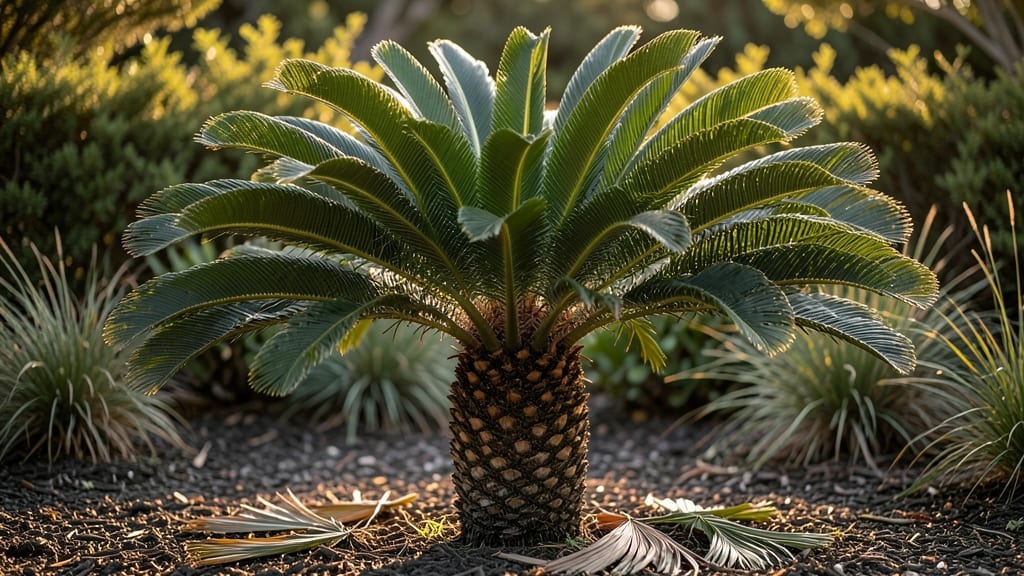
If you're dreaming of adding a Sago Palm 🌴 to your landscape, you might be wondering just how tall this striking plant can grow.
The answer isn’t one-size-fits-all—it depends on the variety, care, and growing conditions, but most mature Sago Palms reach heights between 6 and 10 feet, making them a bold yet manageable addition to your outdoor space.
What sets the Sago Palm apart is its slow-and-steady growth rate. Unlike fast-growing trees, this hardy plant takes its time, adding only a few inches each year.
That means you won’t see dramatic changes overnight, but with the right conditions—like USDA Zones 8-11 and well-draining soil—your Sago Palm will gradually become the stunning focal point you envisioned.
Whether you're working with a dwarf variety or a standard Sago Palm, understanding its growth potential helps you plan your garden layout. Too much space? No problem—we’ll also cover how to manage its size with pruning or container gardening.
Let’s break down everything you need to know to get the most out of your Sago Palm 🌴 investment.
From soil prep to sunlight needs, the details matter when it comes to nurturing a healthy, thriving plant. By the end of this guide, you’ll know exactly what to expect—and how to keep your Sago Palm looking its best for years to come.


Sago palm height by variety: what to expect at maturity
When planning your landscape, understanding how tall sago palms grow is essential. The Cycas revoluta, the most common variety, typically reaches 6 to 10 feet at maturity. However, growth rates and final heights can vary significantly depending on the specific variety and growing conditions.
Sago palms are known for their slow growth, often taking 10 to 15 years to reach their full height. This makes them a long-term investment for gardeners looking to create a striking focal point or add tropical flair to their outdoor spaces.
Below, I’ve outlined the mature height ranges for the most popular sago palm varieties. Whether you're choosing a dwarf type for a smaller garden or a standard variety for a bold statement, knowing these details will help you make the best selection.
If you're working with limited space, Cycas taitungensis or Cycas media are excellent choices, as they stay under 5 feet at maturity. These varieties are perfect for containers, patios, or small gardens where space is a concern.
For larger landscapes, the Cycas revoluta and Cycas rumphii varieties offer dramatic height and visual impact. These can serve as stunning focal points in tropical-themed gardens or alongside other tall plants like yucca or bamboo.
One thing to keep in mind is that sago palms grow very slowly in their early years. The first few years may only see 1 to 2 feet of growth, but once established, they can add 6 to 12 inches annually depending on the variety and care provided.
When selecting a sago palm, consider not just its mature height but also its spread. Some varieties can grow 6 to 10 feet wide, so ensure you have enough space to accommodate both the height and width of the plant.
For those in USDA Zones 8–11, sago palms thrive outdoors year-round. In colder climates, they can be grown in containers and brought indoors during winter months, though this may slightly limit their ultimate height potential.
Whether you're aiming for a compact accent plant or a towering tropical specimen, choosing the right variety and providing proper care will ensure your sago palm reaches its full potential height.
Factors that influence sago palm growth height: soil, climate, and care
Your sago palm's mature height isn't set in stone—it's heavily influenced by growing conditions. While Cycas revoluta typically reaches 6-10 feet, optimal care can push it toward the upper range, while neglect may keep it shorter.
The right combination of sunlight exposure, soil quality, and watering habits can make a 3-4 foot difference in final height.
One of the biggest factors is sunlight exposure. Sago palms thrive in full sun (6+ hours daily), which fuels faster vertical growth. In partial shade, they'll grow more slowly and may stay compact.
I've seen sago palms in USDA Zone 10 gardens reach 9 feet with full sun exposure, while identical plants in shadier microclimates maxed out at 5 feet.
Growth Factors That Boost Height
6+ hours daily
Maximizes photosynthesis
pH 6.0-7.5
Prevents root rot
Deep soak weekly
Encourages deep root growth
Growth Factors That Limit Height
Clay-heavy soil
Causes root suffocation
Soggy soil
Leads to fungal diseases
<4 hours sun
Stunts vertical growth
Your local climate plays a surprising role too. Sago palms in USDA Zone 10-11 grow faster due to year-round warmth, while those in Zone 8 may experience slower growth during cooler months.
I've noticed that sago palms in coastal areas with mild winters often exceed 8 feet by age 15, while inland plants of the same age might only reach 6 feet.
Another critical factor is container size if growing in pots. Root-bound sago palms will focus energy on foliage rather than height growth. I recommend using containers that are at least 2 feet wide for mature plants—this gives roots room to expand downward, supporting taller growth.
For in-ground planting, ensure the hole is twice as wide as the root ball to prevent crowding.
Don't overlook the impact of fertilization either. While sago palms are low-maintenance, a balanced 5-5-5 fertilizer applied in early spring can boost growth by 20-30%. I've seen dramatic differences in height between fertilized and unfertilized plants of the same age—sometimes 1-2 extra feet in just two growing seasons.
Just avoid overdoing it, as excessive nitrogen can lead to leaf burn.
Finally, remember that pruning habits can influence height over time. Removing dead fronds keeps the plant looking tidy but doesn't affect height. However, if you're dealing with overly leggy growth, strategic pruning of the tallest fronds can encourage a more compact, bushier form.
This won't reduce mature height but can create a fuller, more balanced plant silhouette.