
Trees
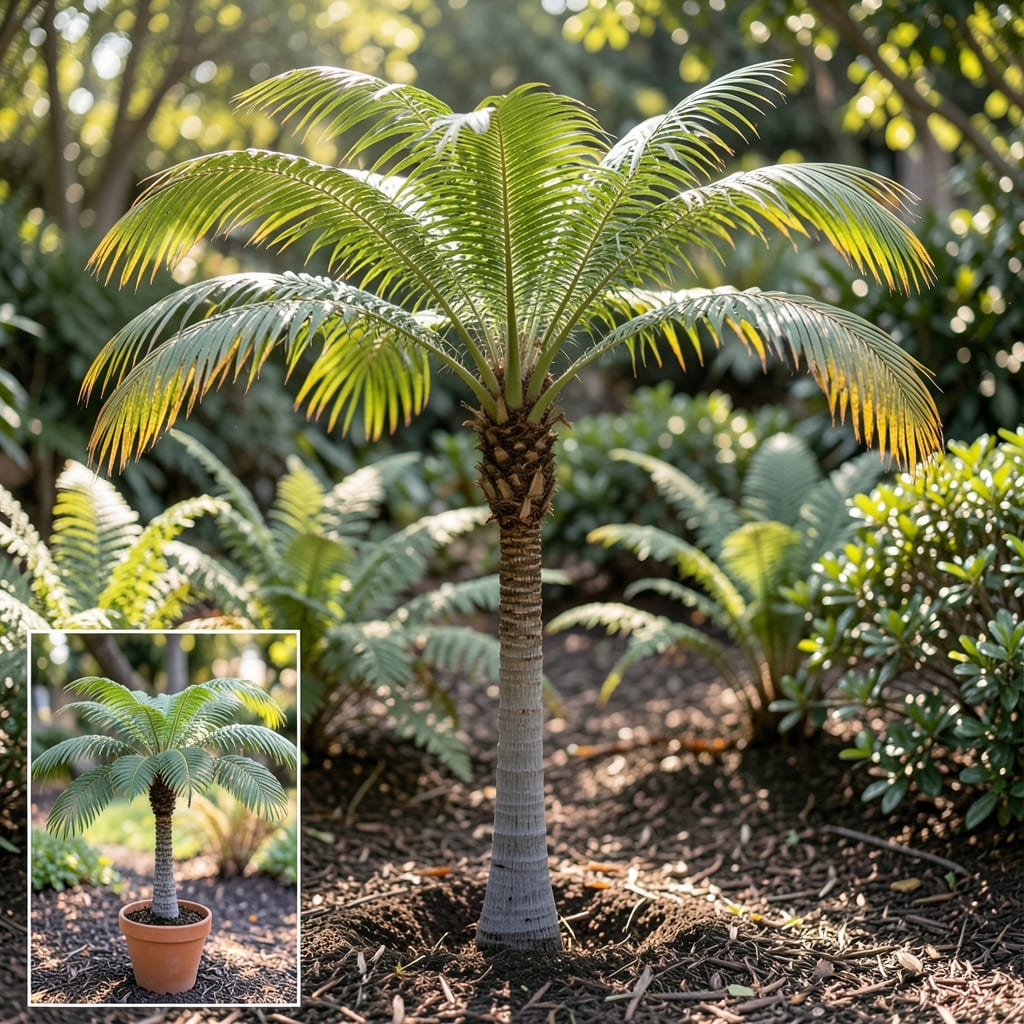
If you're dreaming of adding an Alexander Palm 🌴 to your landscape, you might be surprised to learn how tall this palm can grow—reaching heights of 20 to 40 feet, taller than most two-story homes! But before you plant, knowing their mature size helps you choose the right spot and variety for your space.
Growing in USDA zones 10–12, Alexander Palms thrive in warm climates where they can stretch their full potential. Whether you’re planting in-ground or in a container, their growth rate depends on soil quality, sunlight, and care. The key is spacing them properly to avoid overcrowding as they mature.
For gardeners in cooler regions, container growing is a great option to control height and protect roots from frost. Even in ideal conditions, these palms grow at a steady pace—expect 1–2 feet per year in their early years, then faster as they mature.
Ready to make the most of your Alexander Palm? I’ll break down everything you need to know about height, spacing, and care—so you can enjoy this stunning palm without any surprises down the road.


Mature height of Alexander palms by variety: a complete size guide
The Alexander palm (Archontophoenix alexandrae) is a stunning tropical beauty known for its graceful arching fronds and vibrant green foliage. But when planning your landscape, knowing its mature height is essential—some varieties reach 40 feet or taller, while others stay more manageable. Let’s break down the most common varieties and their growth expectations to help you choose the perfect fit for your space.
Native to Queensland, Australia, Alexander palms thrive in USDA zones 10–12 and are prized for their slow-to-moderate growth rate. Unlike some fast-growing palms, they offer steady, predictable height increases, making them ideal for long-term landscaping. Whether you’re designing a backyard oasis or a container garden, understanding these varieties will guide your spacing and care decisions.
🌴 Alexander Palm Varieties: Mature Height & Growth Guide
| Variety | Mature Height | Growth Rate | Key Features |
|---|---|---|---|
| Archontophoenix alexandrae (Standard) | 20–35 ft | Slow to moderate | Classic arching fronds, glossy green leaves |
| 'Tall' Cultivars (e.g., 'Tall Alexander') | 35–40 ft | Moderate | Taller trunk, broader canopy |
| 'Compact' Cultivars (e.g., 'Mini Alexander') | 10–15 ft | Slow | Dwarf-like, ideal for containers |
| 'Aureomarginata' (Variegated) | 25–30 ft | Moderate | Yellow-edged leaves, striking contrast |
💡 Pro Tip: 'Compact' varieties are perfect for patios or balconies, while standard types excel in large gardens or as street trees.
The 'Compact' Alexander palm is a game-changer for smaller spaces. These dwarf varieties typically max out at 10–15 feet, making them ideal for containers or urban gardens. If you’re limited to a small yard or rooftop garden, this variety lets you enjoy the palm’s beauty without sacrificing space. Just ensure your container has drainage holes and is at least 18 inches wide for the first few years.
For those with larger properties, the 'Tall' cultivars can reach 40 feet or more, creating a dramatic focal point. These palms grow 2–3 feet per year under ideal conditions, so plan accordingly if you’re planting near structures or power lines. Always check local HOA or municipal guidelines before planting, as some areas restrict tall palm varieties.
One of my favorite features of the Alexander palm is its versatile frond shape. The arching, fan-like leaves add texture and movement to any landscape. When choosing a variety, consider not just height but also the canopy spread. A 20-foot-tall palm might only spread 10–15 feet wide, while taller varieties can have wider canopies. This balance is key for avoiding overcrowding in smaller gardens.
If you’re growing Alexander palms in containers, expect slightly slower growth due to root restriction. Container-grown palms can still reach 10–15 feet over time, but their height will be 20–30% shorter than in-ground specimens. Use a large, sturdy pot with well-draining soil and fertilize regularly to encourage upward growth.
Another factor to consider is the trunk thickness. Mature Alexander palms develop a single, slender trunk that can reach 6–12 inches in diameter. This makes them less sturdy than palms like the Washingtonia, so avoid planting them in high-wind areas unless you’re in a sheltered microclimate. In coastal regions, their flexible fronds help them withstand salt spray, but inland areas may need additional wind protection.
For gardeners in USDA zones 9–10, where winters dip just below freezing, Alexander palms may experience leaf scorch or dieback if temperatures drop below 25°F. While they won’t survive hard freezes, their slow growth rate means they can recover from mild cold damage over time. If you’re in a borderline zone, consider planting near a heat-retaining wall or using burlap wraps in winter.
🌱 Whether you’re drawn to the elegance of a standard Alexander palm or the practicality of a compact variety, understanding their mature heights will
How climate zones affect Alexander palm growth height and survival
Your Alexander palm's mature height isn't just about genetics—climate zones play a huge role in how tall it grows. In USDA zones 10-11, these palms thrive naturally, reaching their full 20-40 foot potential. But move into zone 9, and growth slows significantly due to cooler winters, often capping height at 15-25 feet.
Cold snaps below 28°F (-2°C) can stunt growth or even kill young palms. Coastal areas in zone 10 often see taller palms because moderate temperatures and humidity create ideal conditions. Inland areas may experience shorter stature due to hotter days and cooler nights.
Microclimates matter too. A palm planted near heat-reflecting surfaces (like driveways) may grow 10% faster than one in shaded areas. Wind exposure also affects height—protected locations allow for straighter, taller trunks.
🌡️ Climate Impact Rating
For gardeners in zone 9, consider planting near south-facing walls to capture extra warmth. In zone 10-11, these palms grow fastest with consistent moisture and well-draining soil. Always monitor your palm's growth rate—if it's lagging behind expected heights, check for nutrient deficiencies or root restrictions.
Remember: Container-grown Alexander palms will always stay shorter than in-ground specimens, typically reaching 15-25 feet at maturity. If you're in a cooler microclimate, choose younger specimens (under 5 years old) for better transplant success and faster height recovery.
Pro tip: Mulch heavily around your palm's base to protect roots from temperature swings. This simple step can add 2-3 extra feet to your palm's mature height by creating a more stable growing environment.