
Flowers
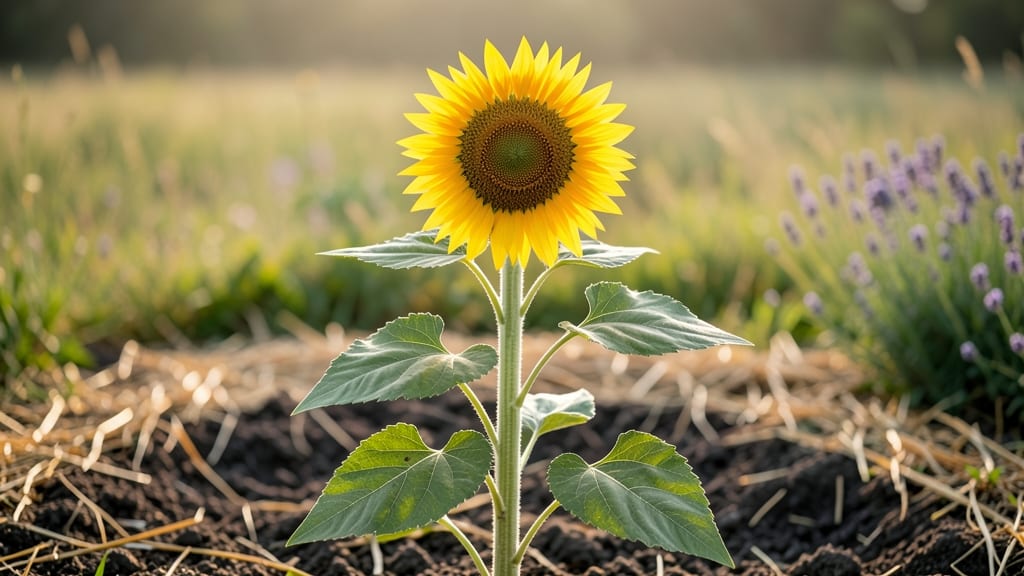
If you’ve ever planted a sunflower and wondered, "How tall does this thing actually grow?"—you’re not alone. These cheerful giants can stretch from 3 feet to over 16 feet, depending on the variety, and picking the right one for your space makes all the difference.
Sunflowers aren’t just pretty faces—they’re architectural stars that need room to shine (literally). Whether you’re dreaming of waist-high Teddy Bear varieties or towering Mammoth types that reach your roof, knowing their mature height helps you plan spacing, supports, and even companion plants.
But here’s the catch: too little space means competition for sunlight, while too much space wastes garden real estate. I’ll break down the height ranges by type, spacing rules, and pro tips to keep your sunflowers standing tall—without them toppling over like 🌻 Jenga towers.
Ready to turn your sunflower patch into a showstopper? Let’s dive into the heights, varieties, and secrets to growing them strong—no guesswork required.


Sunflower height by variety: from dwarf to giant types
Sunflowers come in a stunning range of heights, from waist-high dwarfs to skyscraper giants that dwarf your entire garden. The variety you choose determines not just how tall your sunflowers grow, but also their flower size, growth speed, and even their garden placement.
For example, a 3-foot 'Teddy Bear' makes a perfect container plant, while a 12-foot 'Mammoth' becomes a dramatic focal point.
Height isn’t just about aesthetics—it directly impacts spacing needs, wind resistance, and even pollinator attraction. Tall varieties like 'Russian Giant' can reach 14–16 feet, while semi-dwarf types like 'Autumn Beauty' stay between 5–6 feet.
Knowing these ranges helps you plan for support structures, sunlight competition, and even companion planting.
Here’s how sunflower heights break down by category, along with their ideal uses in your garden:
| Category | Height Range | Popular Varieties | Best For |
|---|---|---|---|
| Dwarf | 1–3 ft | 'Teddy Bear', 'Moulin Rouge' | Containers, borders, pollinator gardens |
| Semi-Dwarf | 3–6 ft | 'Autumn Beauty', 'ProCut' | Cut flowers, mixed beds, small gardens |
| Standard | 6–10 ft | 'Russian Giant', 'Serenity' | Backyard focal points, cut flower farms |
| Giant | 10–16 ft | 'Mammoth', 'Russian Giant' | Large gardens, windbreaks, dramatic displays |
If you’re growing sunflowers for cut flowers, semi-dwarf varieties like 'Autumn Beauty' (5–6 ft) strike the perfect balance—they’re tall enough for bouquets but don’t require heavy staking. For bird feeders, giant varieties like 'Russian Giant' attract goldfinches and other seed-loving birds with their abundant seed production.
Meanwhile, dwarf types like 'Teddy Bear' are ideal for container gardening or pollinator-friendly borders.
Pro tip: Check your sunflower seed packet for mature height estimates, as even within categories, heights can vary by 1–2 feet based on growing conditions. For example, a 'Mammoth' might only reach 10 feet in a shady spot but could hit 14 feet with full sun and rich soil.
Height also affects root depth. Giant varieties develop taproots that can reach 6–8 feet deep, while dwarf types stay shallower. This means giants need well-draining soil to prevent root rot, while dwarfs can tolerate container life with minimal fuss.
Always plant giants in deep, loose soil to avoid stunted growth.
One common mistake is assuming all sunflowers need the same space. A 3-foot dwarf can be planted just 12 inches apart, while a 12-foot giant needs 2–3 feet of clearance on all sides.
Crowding leads to competing stems, reduced flower size, and even toppling in wind. We’ll dive deeper into spacing rules in the next section to help you avoid these pitfalls.
For first-time growers, I recommend starting with semi-dwarf varieties like 'Autumn Beauty'. They’re forgiving, productive, and give you a taste of sunflower grandeur without the logistical challenges of giants. Plus, their multi-colored petals add visual interest long after the blooms fade.
🌻
Sunflower height by variety: from dwarf to giant types
Sunflowers come in a stunning range of heights, from waist-high dwarfs to 16-foot giants that dwarf your house. The variety you choose determines not just the height but also the garden layout, support needs, and even pollinator appeal.
For example, 'Teddy Bear' stays compact at 3–5 feet, perfect for containers, while 'Mammoth' varieties can reach 10–14 feet—ideal for creating living sunflower towers.
Understanding these height categories helps you plan spacing, sunlight access, and even companion planting. Dwarf varieties thrive in tight spaces, while giants need room to stretch toward the sun.
Let’s break down the three main height categories and their growth characteristics to help you pick the perfect sunflower for your garden.
🌱
| Variety Type | Height Range | Growth Habit | Best For |
|---|---|---|---|
| Dwarf | 1–3 ft | Compact, bushy | Containers, borders, pollinator gardens |
| Semi-Dwarf | 3–6 ft | Upright, moderate spread | Cut flowers, small gardens, cutting gardens |
| Standard | 6–10 ft | Tall, single-stemmed | Back of borders, focal points, bird feeders |
| Giant | 10–16 ft | Extremely tall, sturdy stems | Statement plants, windbreaks, large gardens |
For instance, 'Autumn Beauty' (5–6 ft) is a semi-dwarf with multi-colored petals, perfect for cutting gardens, while 'Russian Giant' can surpass 12 feet—making it a statement piece in rural or expansive gardens.
Even dwarf varieties like 'Pocket Sun' (1–2 ft) bring big sunflower energy to patios and balconies.
Height also affects maturity timing. Taller varieties often take longer to reach their full height but produce larger seed heads, while dwarfs mature faster and are ideal for early-season blooms.
If you’re growing sunflowers for birdseed, giant varieties yield the most, but their wind resistance may require staking in storm-prone areas.
Pro tip: Check seed packets for mature height estimates, as some hybrids exceed listed ranges. For example, 'American Giant' can hit 14–16 feet with ideal conditions—so plan your garden layout accordingly to avoid shading shorter plants.
🌻