
Flowers
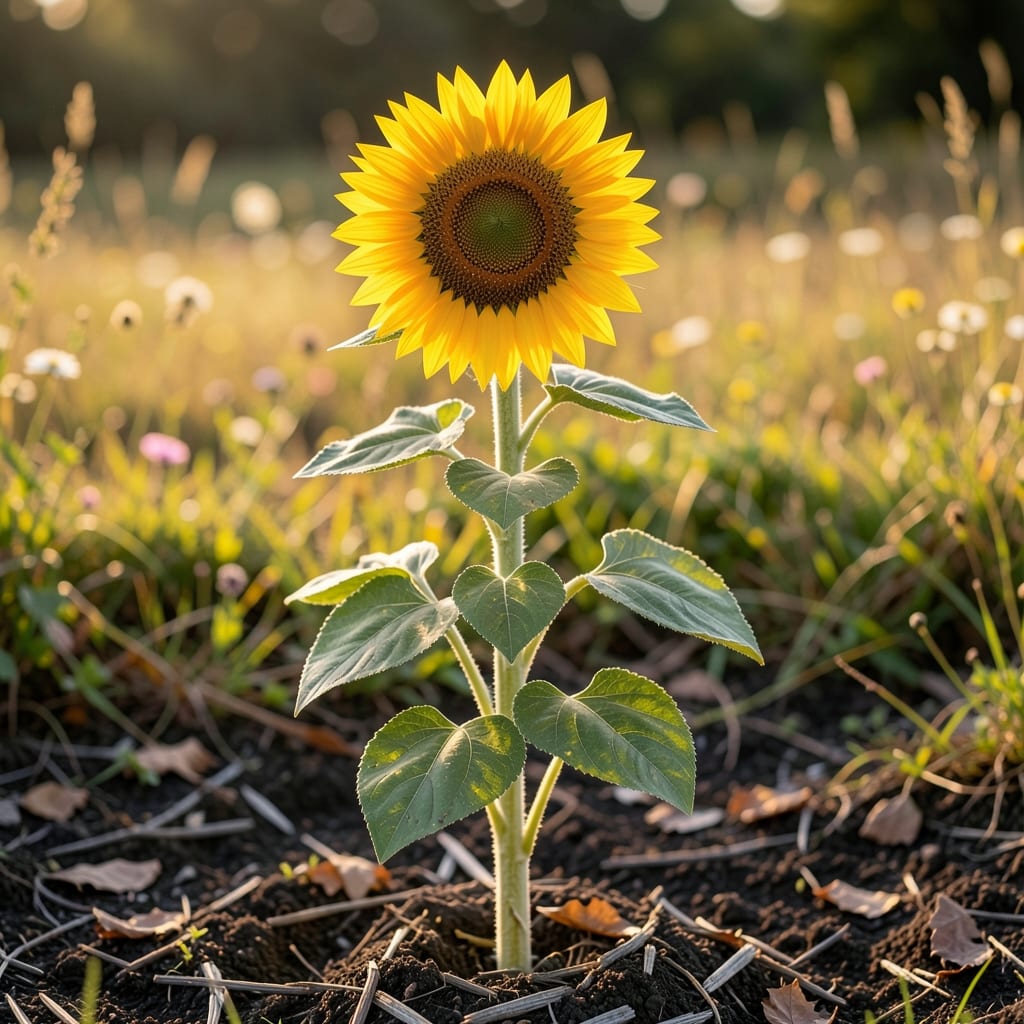
If you've ever wondered how tall can sunflowers grow up to, the answer might surprise you—some varieties stretch taller than a two-story building, reaching heights of 12+ feet or more! 🌻 Whether you're dreaming of a dramatic backyard centerpiece or planning a pollinator-friendly garden, knowing the right varieties and growing conditions makes all the difference.
The key to growing towering sunflowers lies in choosing the right type—think 'Mammoth' or 'Russian Giant' for maximum height, while dwarf varieties like 'Teddy Bear' stay compact. But height isn’t just about variety; sunlight, soil quality, and even wind exposure play a role in how much your sunflowers will reach for the sky.
For those aiming for sunflowers that rival small trees, staking and wind protection are game-changers. Without support, tall stems can bend or snap under their own weight, especially in stormy conditions. With the right care, you could end up with sunflowers that dwarf even your tallest neighbors—and become the talk of the block.
Ready to turn your garden into a sunflower wonderland? Let’s break down the best varieties, growing tips, and layout strategies to help you cultivate sunflowers that defy expectations. Your vertical garden just got a whole lot taller!


Sunflower height records: tallest varieties that surpass 12 feet
Sunflowers aren’t just cheerful faces in your garden—they’re architectural marvels with some varieties reaching unbelievable heights. The tallest sunflowers can grow up to 16 feet, making them a stunning focal point in any landscape. If you’re dreaming of sunflowers that tower over your fence or even your house, you’ll want to focus on giant varieties like 'Russian Giant' and 'Mammoth'. These aren’t just tall—they’re statement-makers that turn heads (and cameras) everywhere they grow.
But here’s the catch: height isn’t automatic. Even the tallest sunflower varieties need the right conditions to reach their full potential. Think of it like training for a marathon—your sunflowers need nutrient-rich soil, consistent watering, and full sun exposure to grow to their maximum height. Without these, even the most impressive varieties might stay shorter than expected. Let’s dive into the tallest sunflower varieties and what it takes to grow them sky-high.
🌻
| Variety | Height Range | Best For | Growth Tips |
|---|---|---|---|
| Russian Giant | 12–16 ft | Dramatic displays, cut flowers | Stake early; needs rich soil |
| Mammoth | 10–14 ft | Privacy screens, bouquets | Deep watering; full sun |
| Colossus | 10–12 ft | Garden focal points | Fertilize monthly; wind protection |
| Autumn Beauty | 5–8 ft | Colorful blooms, pollinators | Drought-tolerant; less staking |
| Teddy Bear | 3–5 ft | Children’s gardens, containers | Compact; no staking needed |
If you’re aiming for sunflowers over 10 feet, the Russian Giant variety is the undisputed champion. This variety isn’t just tall—it’s legendary, with stems that can reach 16 feet under ideal conditions. Imagine a sunflower taller than your two-story house! But don’t expect miracles without effort. These giants need well-draining, nutrient-rich soil and consistent moisture to support their towering growth. Skimp on the care, and you might end up with a sunflower that’s more shrubbery than skyscraper.
For those with limited space but still want a tall sunflower, the Mammoth variety is a fantastic middle-ground option. It typically grows between 10 and 14 feet, making it perfect for privacy screens or dramatic garden borders. The key to growing Mammoth sunflowers to their full height is deep watering. Unlike shorter varieties, these need 1-2 gallons of water per plant, especially during hot summer months. Think of it like watering a small tree—consistency is everything.
Now, let’s talk about wind protection, because even the tallest sunflowers can’t handle strong gusts without support. If you live in a windy area, consider planting your giant sunflowers near a windbreak or using stakes and ties to keep them upright. A sunflower that topples over at 10 feet tall is not only disappointing—it’s also a safety hazard. I’ve seen firsthand how a single strong storm can flatten an otherwise healthy sunflower garden, so don’t skip this step if you’re going for the tallest varieties.
Here’s a pro tip: if you’re growing sunflowers for cut flowers, aim for varieties like Russian Giant or Mammoth. Their long stems make for stunning bouquets that can last for weeks in a vase. Just be sure to harvest them early—when the flower buds are fully open but before the petals start to droop. This ensures you get the longest, freshest stems possible. Plus, harvesting at the right time encourages your sunflowers to produce more blooms, giving you a never-ending supply of garden gold.
Finally, don’t forget that
Sunflower height records: tallest varieties that surpass 12 feet
Sunflowers aren’t just pretty faces—they’re sky-scrapers of the garden world! Some varieties like the Russian Giant and Mammoth can grow 12 to 16 feet tall, making them perfect for dramatic focal points or even as living trellises. These giants need space, sunlight, and a little extra care to reach their full potential, but the payoff is worth it.
The secret to their towering height lies in their genetics. Standard and giant varieties are bred specifically to maximize stem length, while dwarf varieties like Teddy Bear stay under 3 feet. If you’re dreaming of sunflowers that dwarf your house, you’ll want to focus on the heavyweights—just be prepared for some serious vertical real estate!
Here’s what sets the tallest sunflowers apart:
| Variety | Height Range | Best For | Notes |
|---|---|---|---|
| Russian Giant | 12–16 ft | Dramatic displays, pollinator gardens | Needs staking; wind-sensitive |
| Mammoth | 10–14 ft | Backyard centerpieces, seed production | Thick stems; great for bird feeders |
| Colossus | 10–12 ft | Cut flowers, large gardens | Early bloomer; disease-resistant |
| Autumn Beauty | 8–10 ft | Pollinators, late-season blooms | Multi-colored petals; great for bouquets |
For these giants to reach their full height, they need full sun (6+ hours daily) and rich, well-draining soil. A lack of sunlight or poor soil can stunt their growth, leaving you with sunflowers that barely top your fence. If you’re planting near a fence or wall, lean into their natural tendency to grow tall—just give them room to sway!
One common misconception is that all sunflowers need constant watering. While they do love moisture, overwatering can weaken stems, making them more prone to snapping. Aim for deep watering 2–3 times per week during dry spells, and always water at the base to keep foliage dry and prevent fungal issues.
Wind is another factor that can limit height. Tall sunflowers in exposed areas may bend or break under gusts. If your garden is windy, consider staking or planting near a windbreak like a fence or hedge. A little support goes a long way in helping your sunflowers reach their skyward potential!