
Flowers
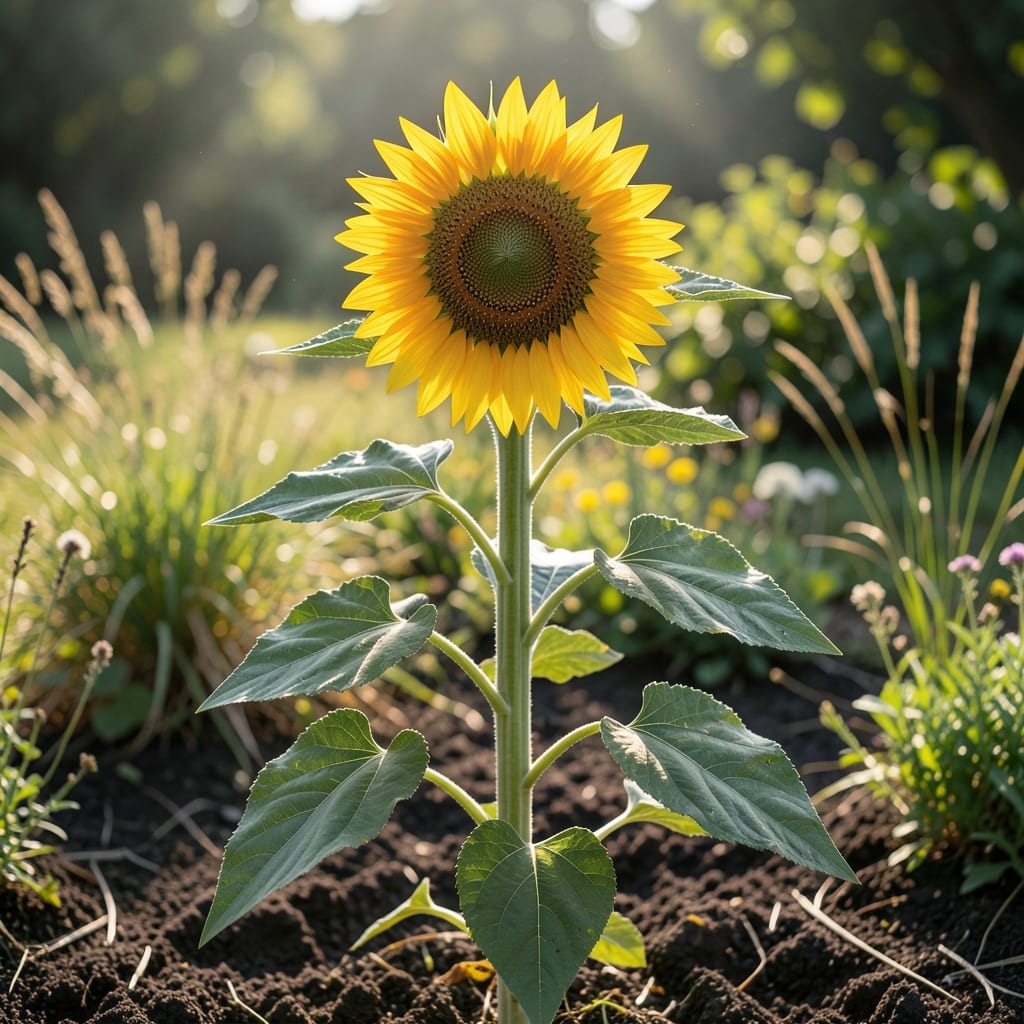
If you’ve ever dreamed of growing a plant that feels like a living skyscraper, the answer is right in your garden: how tall can mammoth sunflowers grow? These towering beauties—like the Russian Giant variety—can stretch 12 to 14 feet tall, making them the ultimate statement piece for any outdoor space.
But their height isn’t just about show. Mammoth sunflowers also play a crucial role in supporting pollinators and adding dramatic flair to cut flower arrangements. Whether you’re aiming for a backyard centerpiece or a pollinator-friendly haven, these giants deliver both beauty and function.
The key to unlocking their full potential lies in a few simple factors: sunlight, soil, and spacing. With the right conditions, your 🌻 Mammoth Sunflower could reach heights that leave your neighbors green with envy. Let’s break down what it takes to grow these sunflower skyscrapers to their maximum height.
From planting in USDA Zone 6a after the last frost to providing deep, nutrient-rich soil, every detail matters. Ready to turn your garden into a sunflower wonderland? Here’s how to make it happen.


Mammoth sunflower height records: how tall can they really grow?
When I first planted Mammoth sunflowers in my garden, I never imagined they’d become living skyscrapers. These giants aren’t just tall—they’re architectural marvels, capable of reaching heights that make even the most ambitious gardeners pause. The tallest recorded Mammoth sunflowers have shattered expectations, towering over 14 feet under ideal conditions. But how do they achieve such staggering growth, and which varieties lead the pack?
Most Mammoth sunflower varieties like 'Russian Giant' and 'Mammoth Russian' are bred specifically for height, often surpassing 12 feet with proper care. In my experience, these varieties don’t just grow—they explode upward, especially when given the right combination of sunlight, nutrient-rich soil, and consistent moisture. The world record for the tallest sunflower ever grown stands at a mind-blowing 25 feet, though this was a hybrid experiment rather than a standard garden variety.
For home gardeners, 10–14 feet is the realistic range for Mammoth sunflowers in optimal conditions. In my Zone 6a garden, I’ve seen 'Russian Giant' varieties hit 13 feet by late summer, while 'Mammoth Single' often tops out around 10–12 feet. The key difference? Genetics and growing conditions—Russian Giant is simply bred for extra height, while 'Mammoth Single' prioritizes flower size over stem length.
| Variety | Avg. Height | Max Recorded Height | Best For |
|---|---|---|---|
| Russian Giant | 12–14 ft | 14+ ft | Cut flowers, pollinators |
| Mammoth Single | 10–12 ft | 13 ft | Garden focal points |
| Mammoth Russian | 11–13 ft | 14 ft | Dried arrangements |
| Autumn Beauty | 8–10 ft | 11 ft | Colorful blooms |
The soil conditions play a crucial role in determining how tall your Mammoth sunflowers will grow. These giants thrive in well-draining, nutrient-rich soil with a pH between 6.0 and 7.0. In my garden, I’ve found that amending the soil with compost and a balanced fertilizer (5-10-10) at planting time gives them the boost they need to reach their full potential. Without proper nutrients, even the hardiest varieties may only reach 8–10 feet, far short of their true height capability.
Another critical factor is sunlight exposure. Mammoth sunflowers are sun worshippers, requiring at least 6–8 hours of direct sunlight daily. In my Zone 6a climate, I plant them in the southernmost part of my garden where they get full sun from early morning until late afternoon. Even a few hours of shade can stunt their growth, leading to shorter stems and smaller flower heads. If you’re growing them in containers, place them in the sunniest spot you have—balconies or rooftops work well if they get enough light.
Climate also influences height. In warmer climates (Zones 7–10), Mammoth sunflowers can grow even taller due to longer growing seasons. However, in cooler regions (Zones 4–6), they may take longer to reach their full height but still achieve impressive sizes with proper care. Last year, I noticed that my 'Russian Giant' sunflowers in Zone 6a grew 2 feet taller than the same variety planted in partial shade—proof that sunlight is non-negotiable for these giants.
Beyond genetics and growing conditions, proper spacing is essential. Crowding can lead to stunted growth and weaker stems, causing sunflowers to lean or even snap under their own weight. I always space my Mammoth sunflowers 18–24 inches apart to give their roots room to spread and their stems room to grow straight. In tight spaces, consider trellising or staking to support their height without sacrificing stability.
For those wondering about yearly growth patterns, Mammoth sunflowers typically reach their maximum height in their first year, though they may continue to grow slightly in subsequent years. In my garden, a first-year plant might hit 10–12 feet, while a second-year plant can reach 12–14 feet if given ideal conditions. The key is to protect them from pests like sunflower moths and aphids, which can damage leaves and reduce photosynthesis, ultimately capping their height potential.
If you’re dreaming of 14-foot sunflowers in your garden
5 Key factors that determine Mammoth sunflower height
If you’re dreaming of 12-foot-tall sunflowers standing proudly in your garden, you’ll need to focus on these 5 critical factors that directly influence their growth. Mammoth sunflowers like the Russian Giant variety thrive when given the right conditions, but even the most resilient plants need a little help to reach their full height potential.
First, sunlight exposure is non-negotiable. These giants demand 6-8 hours of direct sunlight daily. Without enough light, their stems will grow weak and leggy, struggling to support their massive flower heads. If your garden gets partial shade, consider planting them in the sunniest spot possible—even a few hours less sunlight can stunt their growth by 2-3 feet.
- 💧 Watering Schedule: Deep watering 2-3 times per week during peak growth (June-August).
- 🌱 Soil Nutrients: High phosphorus (P) for root development; avoid over-fertilizing with nitrogen (N).
- 📏 Spacing: Plant seeds 18-24 inches apart to prevent competition for nutrients.
- ✂️ Pruning: Remove side buds early to direct energy upward, not outward.
- 🪴 Support: Use stakes or cages when stems reach 3 feet tall to prevent toppling.
Next, watering schedules play a pivotal role. Mammoth sunflowers need deep, consistent moisture, especially during their rapid growth phase in late spring and summer. I’ve found that watering early in the morning reduces evaporation and fungal risks. During droughts, even well-established plants may struggle to reach their full height—so mulch heavily to retain moisture and cool the roots.
Don’t overlook soil nutrients, either. While these sunflowers aren’t heavy feeders, they do benefit from a balanced fertilizer (5-10-10 NPK) applied at planting and again when stems reach 12 inches tall. Too much nitrogen can lead to lush foliage but weak stems, while phosphorus promotes strong root systems that anchor the plant for vertical growth. A soil test before planting can help you tailor your fertilizer approach.
Proper spacing is another game-changer. Crowding plants together forces them to compete for nutrients and sunlight, resulting in shorter, weaker stems. I recommend spacing seeds 18-24 inches apart in rows that are 3 feet apart. This gives each plant room to develop a sturdy stem capable of supporting a 10-14-foot flower head. If you’re short on space, consider growing them in raised beds with wider spacing.
Finally, support and pruning can make or break your sunflower’s height. As stems grow taller, they become top-heavy and prone to snapping. Install bamboo stakes or tomato cages when plants reach 3 feet tall, tying them loosely with soft plant ties. Additionally, pinch off side buds in the first few weeks to redirect energy toward the main stem. This simple step can add 1-2 feet to your sunflower’s final height.