
How To
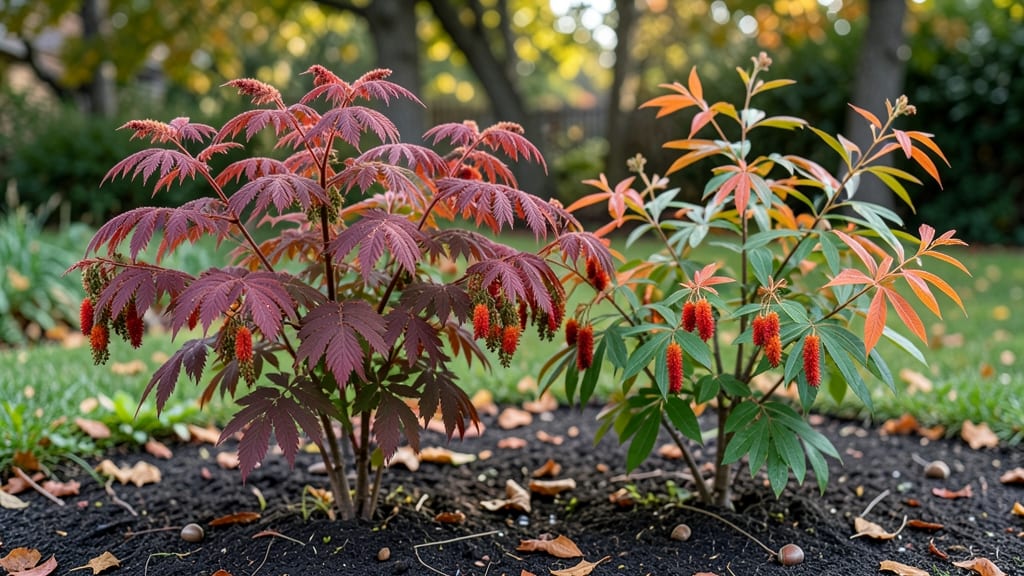
If you're wondering how tall does sumac grow, the answer might surprise you—this hardy shrub can range from a compact 3-foot bush to a towering 25-foot tree, depending on the variety.
Whether you're dreaming of a low-maintenance border plant or a striking focal point, sumac's height flexibility makes it a standout choice for any landscape.
Sumac's growth habits vary wildly between species like the staghorn (which can reach 12-25 feet) and dwarf varieties that stay under 6 feet. The key to predicting its size lies in understanding its natural growth patterns and the environmental factors that influence them.
For those in USDA Zone 6a, where sumac thrives, proper planting in spring or early fall sets the stage for healthy growth. With the right conditions—like well-draining soil and full sun—you can encourage sumac to reach its full potential without invasive pruning.
Curious about how to manage its size or which variety fits your space? Let's break down the specifics so you can make the best choice for your yard—whether you want a wildlife-friendly shrub or a statement-making tree.


Sumac tree height by species: from shrubs to towering giants
Sumac plants are incredibly versatile, ranging from compact shrubs to towering small trees, making them perfect for various landscapes. The height of sumac depends heavily on the species and growing conditions.
For example, Staghorn sumac (Rhus typhina) often grows the tallest, while Fragrant sumac (Rhus aromatica) stays much shorter. Understanding these differences helps you choose the right variety for your space.
Most sumac species fall into three height categories: dwarf (3-6 ft), semi-dwarf (6-12 ft), and standard (12-25 ft). Dwarf varieties are ideal for small gardens or container growing, while standard types thrive as specimen plants or in larger landscapes.
Climate also plays a role—sumac in warmer southern regions may grow taller than those in cooler northern climates.
Here’s a quick comparison to help you visualize the differences:
The Staghorn sumac is the tallest, often reaching 20–25 feet in ideal conditions, while Fragrant sumac stays under 6 feet, making it perfect for small spaces. Smooth sumac bridges the gap, typically growing 15–20 feet tall.
If you’re planting near power lines or in tight spaces, opt for dwarf varieties to avoid overgrowth issues.
Another factor to consider is the spread of sumac. While height is critical, sumac can also spread 10–15 feet wide depending on the species. For example, Staghorn sumac has a wide, spreading canopy, while Fragrant sumac remains more compact.
Always check the mature spread when selecting a variety for your landscape.
Regional adaptations matter too. In arid climates, sumac may grow slower but still reach its full height potential. In humid, southern regions, growth can be faster, leading to taller specimens.
If you’re in a USDA Zone 5 or colder, expect slightly shorter growth compared to Zone 8 or warmer areas.
For wildlife enthusiasts, taller sumac varieties like Staghorn or Smooth sumac provide excellent food and shelter for birds and small mammals. Their bright red berries are a favorite for wildlife in late summer and fall.
If you’re planting sumac for ornamental purposes, consider the fall foliage colors—Staghorn sumac turns fiery red, while Fragrant sumac offers golden hues.
If you’re unsure which sumac to choose, start with Fragrant sumac for small spaces or Staghorn sumac for bold, statement-making plants. Both are low-maintenance and drought-tolerant, making them ideal for native landscapes and xeriscaping. 🌿
Ready to plant? Explore our sumac care guide for tips on planting, pruning, and maintaining these versatile shrubs. For more landscaping ideas, check out our sumac landscaping tips section. ✂️
Sumac tree height by species: from shrubs to towering giants
Sumac plants vary dramatically in height depending on the species, with some growing as compact shrubs while others reach small tree stature.
Understanding these differences helps you choose the right variety for your space—whether you want a privacy screen, a wildlife-friendly hedge, or a statement plant in your landscape design.
Native to North America, sumac thrives in USDA Zones 3-9 and adapts to various climates, but its height potential shifts based on environmental conditions. For example, Staghorn sumac often grows taller in southern climates with warm winters, while Fragrant sumac may stay shorter in cooler northern regions.
Staghorn sumac is the tallest variety, often reaching 25 feet in ideal conditions, making it perfect for backyard privacy screens or woodland edges. Its dramatic brown, velvety branches create striking winter interest.
In contrast, Fragrant sumac stays under 6 feet, making it ideal for foundation plantings or rock gardens.
Smooth sumac strikes a balance, typically growing 15–20 feet tall, while Dwarf sumac (also called fragrant sumac) is a versatile middle-ground option for smaller spaces. All varieties spread via suckers, so give them ample room—especially if you’re planting near sidewalks or driveways.
To maximize height potential, plant sumac in well-draining soil with full sun exposure. In shadier conditions, growth may be slower and more bushy. Mulch around the base to retain moisture and suppress weeds, which encourages faster vertical growth in the first few years.
If you’re unsure which variety to choose, consider your landscape goals: Staghorn sumac for height and drama, Fragrant sumac for low-maintenance charm, or Smooth sumac for wildlife support. Each species offers unique benefits beyond just height!