
How To
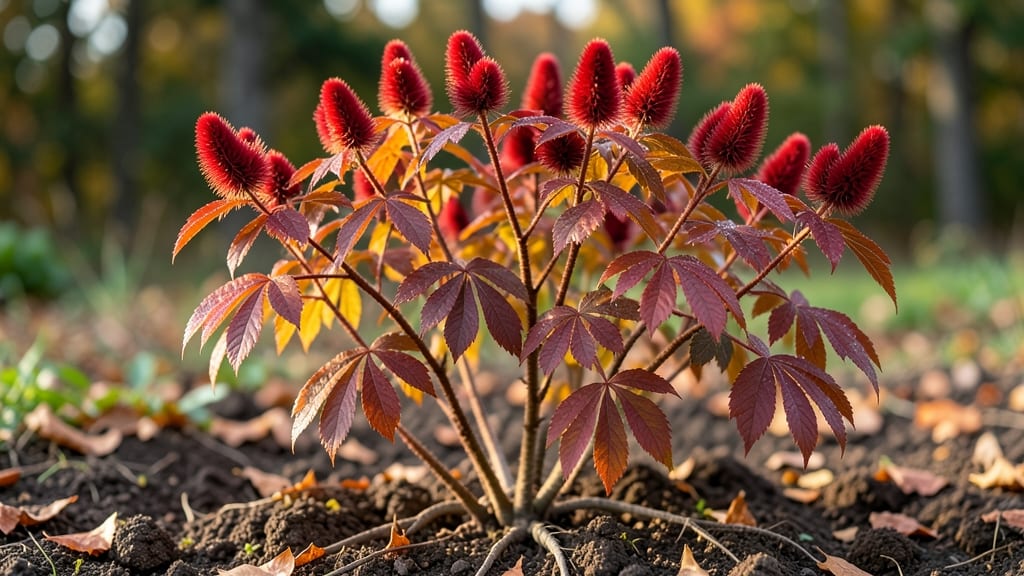
Wondering how tall does staghorn sumac grow before it becomes a landscaping statement piece? This striking 🌿 shrub can transform from a modest bush into a dramatic focal point—sometimes reaching heights that surprise even seasoned gardeners.
Native to North America, staghorn sumac thrives in USDA Zone 6a and beyond, with mature heights ranging from 6 feet to a towering 25 feet depending on the variety and growing conditions.
Whether you're planning a small garden or a bold landscape design, understanding its growth potential helps you make the right choices.
The key to managing its size lies in selecting the right cultivar and providing proper care. Some varieties stay compact, while others shoot upward like a small tree—each with its own unique charm.
I’ll break down what influences its height and how you can shape its growth to fit your space.
From pruning techniques to sunlight requirements, you’ll discover practical ways to control or encourage its growth. Let’s explore how staghorn sumac can become the perfect addition to your outdoor design—no matter how tall you want it to be.


Staghorn sumac mature height by variety: key differences in growth
Staghorn sumac (Rhus typhina) is a versatile landscape plant that can transform from a compact shrub to a towering small tree, depending on the variety and growing conditions.
The most common types—like 'Bailtwig', 'Kelseyi', and 'Gracilis'—offer distinct height ranges, making them ideal for different garden spaces. Understanding these differences helps you choose the perfect fit for your yard, whether you need a privacy screen or a focal point plant.
For example, the 'Bailtwig' variety is the most upright and can reach heights of 15 to 25 feet at maturity, while 'Kelseyi' typically stays between 6 to 12 feet, with a more bushy, spreading habit.
Meanwhile, 'Gracilis' is the shortest, rarely exceeding 6 feet, making it perfect for smaller gardens or container growing. These variations in height also influence how quickly they grow and how much space they’ll occupy over time.
Here’s a quick comparison to help you visualize the differences:
| Variety | Mature Height | Growth Habit | Best For |
|---|---|---|---|
| Bailtwig | 15–25 ft | Upright, tree-like | Privacy screens, large landscapes |
| Kelseyi | 6–12 ft | Bushy, spreading | Hedges, medium gardens |
| Gracilis | 3–6 ft | Compact, rounded | Containers, small yards |
When selecting a variety, consider your available space and how the plant will fit into your landscape design. For instance, 'Bailtwig' works beautifully as a backyard focal point or along property lines, while 'Gracilis' can thrive in patio planters or as a border plant in smaller gardens.
The key is to match the variety’s mature height to your garden’s layout and your long-term vision for the space.
Another factor to consider is how quickly these varieties grow. While all staghorn sumac plants are relatively fast-growing, 'Bailtwig' can add 3 to 5 feet per year under ideal conditions, whereas 'Gracilis' grows more slowly, gaining only 1 to 2 feet annually.
This growth rate directly impacts how soon you’ll see the plant reach its mature height, which is especially important if you’re planting for quick privacy or visual impact.
If you’re unsure which variety to choose, start with 'Kelseyi'—it’s a versatile middle-ground option that offers a balance between height and manageability. It’s also one of the most drought-tolerant varieties, making it a low-maintenance choice for many gardeners.
Plus, its vibrant fall foliage and ornamental seed clusters add year-round interest to any landscape.
For those with limited space, 'Gracilis' is a game-changer. Its compact size and low-maintenance nature make it perfect for urban gardens, balconies, or even as a specimen plant in a mixed border.
Despite its smaller stature, it still delivers the same stunning red-orange fall colors and feathery seed heads that make staghorn sumac so popular.
One common misconception is that all staghorn sumac varieties require the same amount of space. In reality, the difference between a 6-foot shrub and a 25-foot tree can be dramatic. Always measure your planting area and consider how the plant will grow over time—not just its current size.
This foresight will save you from outgrowing your space or needing to prune aggressively later on.
Finally, remember that staghorn sumac’s height isn’t just about aesthetics—it also affects its functional uses. Taller varieties like 'Bailtwig' excel as windbreaks or sound barriers, while shorter types can serve as understory plants beneath larger trees or as foundation plantings near homes.
By choosing the right variety, you can maximize both the beauty and utility of your staghorn sumac.
🌿
Staghorn sumac mature height by variety: key differences in growth
Staghorn sumac (Rhus typhina) is a versatile native shrub that can transform your landscape with its vibrant foliage and striking red berries. But here’s the catch: its mature height varies wildly depending on the variety.
Some stay compact, while others reach small tree proportions. Choosing the right type for your space is key to avoiding surprises down the road.
If you’re planning a small garden, you’ll want to focus on dwarf varieties like 'Kelseyi', which maxes out around 6–10 feet. Meanwhile, the classic 'Bailtwig' variety can soar to 15–25 feet, making it better suited for large properties or as a privacy screen.
Let’s break down the most popular varieties and their growth habits.
| Variety | Mature Height (ft) | Growth Habit | Best For |
|---|---|---|---|
| 'Bailtwig' | 15–25 ft | Upright, multi-stemmed | Large landscapes, privacy screens |
| 'Kelseyi' | 6–10 ft | Compact, rounded | Small gardens, containers |
| 'Gracilis' | 10–15 ft | Narrow, upright | Tight spaces, hedges |
| 'Tiger Eyes' | 10–12 ft | Multi-stemmed, arching | Ornamental foliage, mixed borders |
The 'Bailtwig' variety is the most common and fastest-growing, often reaching its full height in 15–20 years. Its dramatic staghorn-like branches make it a standout, but its size means it’s best planted at least 10 feet from structures or other plants.
For a low-maintenance hedge, consider 'Gracilis', which stays narrower but still packs a punch with its deep red fall color.
If you love the idea of staghorn sumac but have limited space, 'Kelseyi' is your best bet. This dwarf variety thrives in containers and fits neatly into urban gardens or courtyard spaces. Just remember: even dwarf varieties need room to spread, so account for their 3–5 foot width when planning.
For gardeners who want a balanced option, 'Tiger Eyes' offers a happy medium with its 10–12 foot height and striking variegated foliage. Its arching branches add texture and movement, making it a favorite for mixed borders or as a focal point in native plant gardens.
No matter which variety you choose, staghorn sumac’s adaptability and low-maintenance nature make it a winner. Just be sure to match the variety to your space and sunlight conditions for the best results. 🌿