
How To
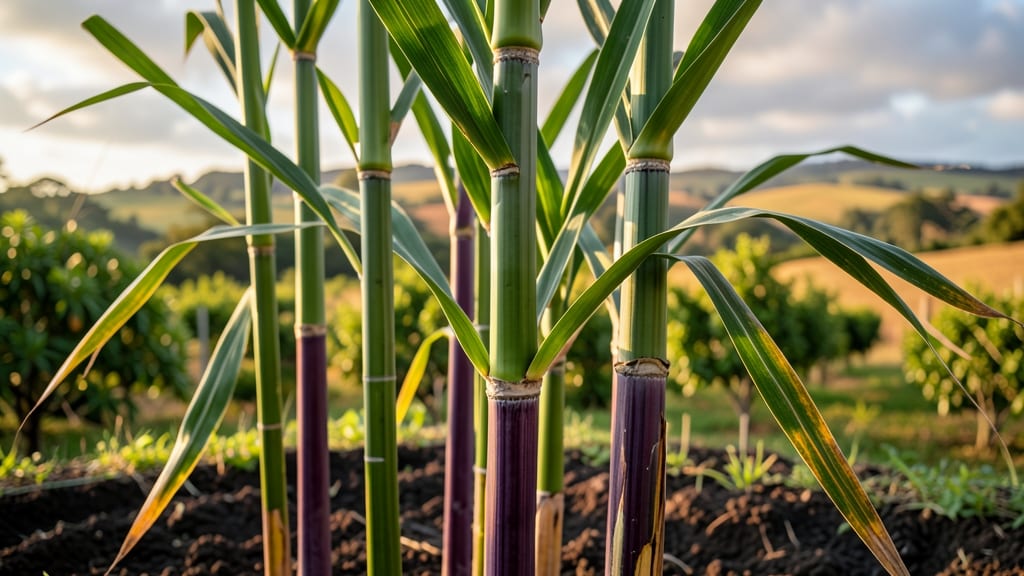
If you're wondering how tall does sugar cane grow, prepare to be amazed—this towering 🌾 plant can stretch between 10 and 20 feet under the right conditions, making it one of the most impressive homegrown crops you can cultivate.
Growing sugar cane isn’t just about space—it’s about patience and the perfect environment. Whether you're in USDA Zone 6 or a warmer climate, understanding its growth habits will help you decide if this fast-growing giant is right for your garden.
From dwarf varieties that stay closer to the ground to towering stalks that reach basketball hoop height, the height of your sugar cane depends on factors like variety, soil quality, and sunlight exposure. Let’s break down what influences its impressive stature and how you can encourage the best growth.
Ready to grow your own? I’ll walk you through the key factors that determine how tall your sugar cane will grow, so you can plan your garden like a pro and enjoy a harvest of sweet, juicy stalks in just 12-18 months.


Sugar cane height by variety: from compact to towering giants
Sugar cane (Saccharum officinarum) is one of the fastest-growing plants on the planet, but its mature height varies dramatically by variety and growing conditions.
While most gardeners envision towering stalks reaching for the sky, some dwarf varieties can stay under 10 feet, making them perfect for small spaces. Let’s explore the height ranges you can expect from common sugar cane varieties, including the giants that dwarf even the tallest sunflowers.
Under ideal conditions, standard sugar cane varieties can grow 15 to 20 feet tall—taller than a basketball hoop but shorter than a two-story house. However, semi-dwarf varieties (like those bred for home gardens) typically max out around 10 to 15 feet.
Even in less-than-perfect climates, sugar cane will still shoot up faster than most grasses, often adding 3 to 6 feet per year once established.
If you’re growing sugar cane in containers or small gardens, look for compact varieties like 'Kokanee' or 'Mauritius,' which can be pruned to stay under 8 feet. These are ideal for urban gardeners or those with limited space.
For comparison, a standard variety like 'F16' or 'CP 73-1022' can easily reach 18 feet in tropical climates, while subtropical varieties may top out around 12 to 15 feet.
One of the most fascinating aspects of sugar cane growth is how quickly it reaches maturity. In tropical climates, some varieties can grow 3 to 5 feet in just 3 months, while in cooler regions, growth slows to 1 to 2 feet per season.
This means that if you plant sugar cane in Zone 10 or higher, you might see 18-foot stalks in a single growing season, whereas in Zone 9, the same variety might only reach 12 feet.
For home gardeners, the key to controlling height is pruning. Regularly trimming the tops of sugar cane stalks can encourage bushier growth and prevent them from becoming too top-heavy. This technique is especially useful if you’re growing sugar cane near power lines or fences.
Just be sure to leave the lower 3 to 4 feet intact to maintain photosynthesis and stalk thickness.
If you’re growing sugar cane for harvesting, taller varieties generally produce more juice per stalk, but they also require more space and support. A 15-foot stalk can yield up to 1 gallon of juice, while a 10-foot dwarf variety might only produce 1/2 gallon.
However, dwarf varieties are easier to manage and harvest, making them a great choice for beginners.
Pro tip: If you’re growing sugar cane in containers, choose a variety that won’t outgrow its space. A 5-gallon bucket can comfortably hold a 6-foot dwarf variety, but a 15-foot standard variety would need a 20+ gallon container and sturdy stakes for support.
Always plant with the bottom node buried 1 inch deep to encourage root growth.
Remember, sugar cane is a perennial grass, meaning it will regrow from the same stalk year after year. With proper care, a single planting can produce harvestable stalks for 5 to 10 years, making it a rewarding long-term investment for your garden.
Whether you’re aiming for a back
How climate zones affect sugar cane growth height and yield
Sugar cane thrives in warm climates, and the climate zone you live in plays a huge role in determining how tall your sugar cane grows. While it can adapt to some cooler regions, its optimal growth occurs in USDA Zones 10-12, where temperatures stay consistently warm year-round.
In tropical climates, sugar cane can reach its maximum height of 15-20 feet within 12-18 months. The longer growing season and abundant sunshine create perfect conditions for rapid stalk development and high sugar content.
In subtropical zones (Zones 8-9), sugar cane still grows well but may reach 10-15 feet due to slightly cooler winters. These regions often require seasonal protection like mulching or row covers to prevent frost damage.
Even in temperate zones (Zones 6-7), sugar cane can grow, but expect shorter stalks (6-10 feet) unless you plant early-maturing varieties and provide winter protection. The key is planting in spring after the last frost and harvesting before the first frost.
| Climate Zone | Avg. Height | Growing Season | Key Considerations |
|---|---|---|---|
| Tropical (Zones 10-12) | 15-20 ft | Year-round | No frost risk; ideal for tall varieties |
| Subtropical (Zones 8-9) | 10-15 ft | 9-12 months | Mulch for winter protection |
| Temperate (Zones 6-7) | 6-10 ft | 5-7 months | Plant early; harvest before frost |
In cooler climates, sugar cane may struggle to reach its full height, but you can still grow it successfully by choosing shorter varieties or using greenhouse cultivation. The key is maintaining soil temperatures above 60°F for optimal growth.
No matter your climate, providing consistent moisture and full sun exposure will maximize your sugar cane's height and yield. Even in less-than-ideal zones, proper care can help you grow stalks tall enough for a satisfying harvest!