
How To
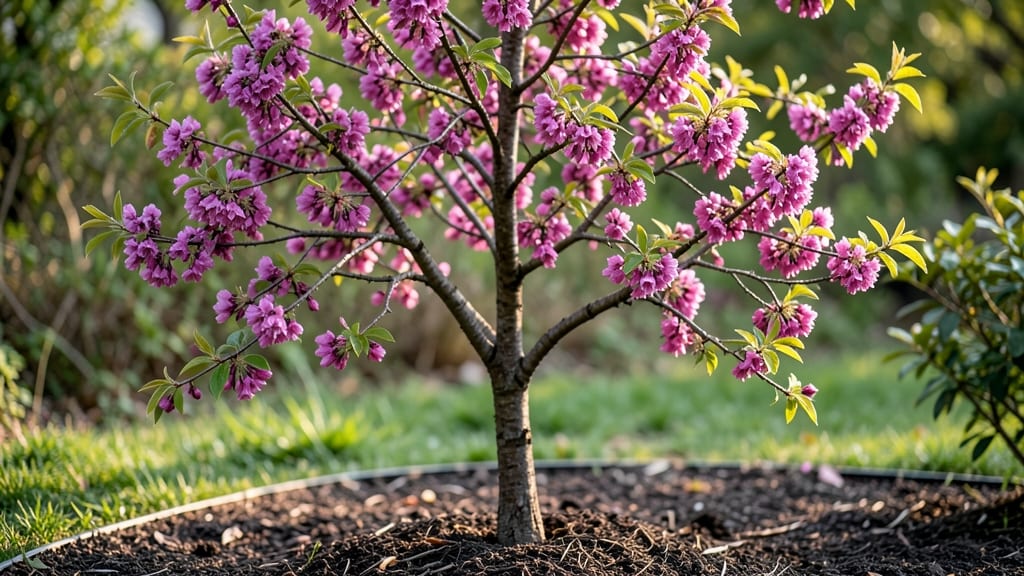
If you're dreaming of a Redbud Tree 🌳 with show-stopping spring blooms but aren’t sure how tall a redbud tree grows, the answer might surprise you.
These trees can reach heights between 10 to 30 feet—depending on the variety—meaning your landscape plans should account for both their vertical and horizontal growth potential.
For gardeners in USDA Zone 6a, where these trees thrive, knowing the mature size is key to avoiding overcrowding or regret later.
Whether you're planting in early spring or fall, spacing matters more than you might think—especially when you consider how quickly some varieties grow in their first few years.
Let’s break down exactly how tall different redbud types get, from the dwarf 'Iceberg' (a compact 8–12 feet) to the towering Eastern redbud (up to 30 feet).
You’ll also discover how sunlight, soil, and pruning habits can influence their final height—so you can tailor your planting strategy to your yard’s unique conditions.
Ready to plan your perfect spot? I’ll walk you through everything you need to know—from spacing guidelines to long-term care—to ensure your redbud tree grows into the stunning focal point you envision.


Redbud tree height by variety: mature sizes & growth habits
The Eastern redbud (Cercis canadensis) is a garden showstopper with its vibrant spring blooms, but its mature height varies dramatically by variety. Understanding these differences helps you choose the perfect redbud for your space—whether you want a towering specimen or a compact patio tree.
Most redbuds reach maturity in 10–30 years, but their final height depends on genetics, growing conditions, and pruning habits.
For example, the classic Eastern redbud typically grows 20–30 feet tall with a spread of 25–35 feet, making it ideal for large yards or as a shade tree.
In contrast, dwarf varieties like 'Covey' or 'Merlot' stay under 10 feet tall, perfect for small gardens or container growing. Let’s break down the most popular redbud varieties and their mature heights to help you plan your landscape.
| Variety | Mature Height | Spread | Growth Rate | Best For |
|---|---|---|---|---|
| Eastern Redbud (Cercis canadensis) | 20–30 ft | 25–35 ft | Moderate (1–2 ft/year) | Large yards, shade trees |
| 'Forest Pansy' | 20–25 ft | 20–25 ft | Moderate | Specimen trees, focal points |
| 'Merlot' | 15–20 ft | 15–20 ft | Moderate | Medium gardens, borders |
| 'Iceberg' | 10–12 ft | 10–12 ft | Slow | Small gardens, containers |
| 'Covey' | 8–10 ft | 8–10 ft | Slow | Patios, urban landscapes |
| Western Redbud (Cercis occidentalis) | 10–15 ft | 10–15 ft | Slow | Drought-prone areas |
The 'Forest Pansy' variety, with its deep purple foliage, often reaches 20–25 feet tall but has a slightly narrower spread, making it easier to fit into smaller landscapes.
If you’re dreaming of a compact redbud, the 'Iceberg' cultivar is a standout, growing just 10–12 feet tall while still producing abundant blooms. This makes it perfect for urban gardens or as a container specimen.
For drought-prone regions, the Western redbud is a fantastic choice, typically staying between 10–15 feet tall and thriving with minimal water once established. Its smaller size and drought tolerance make it ideal for xeriscaping projects or areas with poor soil.
Always check your local USDA hardiness zone—most redbuds thrive in zones 4–9, but some varieties may have slight variations.
Growth rate also plays a key role in planning. While most redbuds grow 1–2 feet per year, dwarf varieties like 'Covey' grow much slower, adding only 6–12
Optimal planting spacing for redbud trees: avoiding overcrowding
Proper spacing is critical for redbud trees to thrive, especially since their mature height and spread vary dramatically by variety. Overcrowding leads to poor airflow, increased disease risk, and stunted growth—so knowing the right distance between plants ensures your redbuds reach their full potential.
For most standard varieties like the Eastern redbud, aim for 15–25 feet between trees to allow their wide canopies to develop without competition.
Dwarf cultivars, like 'Iceberg' or 'Merlot', need far less room—typically 10–15 feet—making them ideal for smaller yards or container planting. Western redbuds, native to drier climates, also tolerate closer spacing (12–20 feet) due to their slightly smaller stature.
Always check your specific variety’s tags for precise spacing recommendations, as even slight differences can impact long-term health.
| Variety | Mature Height | Mature Spread | Optimal Spacing |
|---|---|---|---|
| Eastern Redbud | 20–30 ft | 25–35 ft | 15–25 ft |
| 'Forest Pansy' | 15–20 ft | 20–25 ft | 12–18 ft |
| 'Merlot' | 12–15 ft | 15–20 ft | 10–14 ft |
| 'Iceberg' | 8–12 ft | 10–15 ft | 8–12 ft |
| Western Redbud | 10–15 ft | 12–18 ft | 10–15 ft |
When planting multiple redbuds, consider their spread just as much as their height. A 25-foot spread means branches will extend far beyond the trunk’s height, so place trees near fences, patios, or large shrubs to contain their lateral growth.
For example, a ‘Forest Pansy’ planted 15 feet from a sidewalk will still need pruning to prevent overhanging branches.
Soil and sunlight also influence spacing needs. In partial shade, redbuds grow slightly slower, so you can plant them 2–3 feet closer than in full sun.
Conversely, in poor soil, trees may stay smaller, but their roots will compete more aggressively—so add compost or mulch to improve soil quality and justify tighter spacing. Always dig a hole twice as wide as the root ball to encourage root expansion.
If you’re planting near other trees, avoid species with aggressive root systems, like willows or maples, which can strangle redbud roots. Instead, pair them with companion plants like dwarf conifers or perennials that thrive in their dappled shade.
This creates a layered, low-maintenance garden while preserving airflow around your redbud’s trunk.
Remember: Spacing now saves pruning later. A well-placed redbud will reward you with decades of vibrant spring blooms and minimal cleanup—so take the time to measure twice before digging that first hole! 🌳