
How To
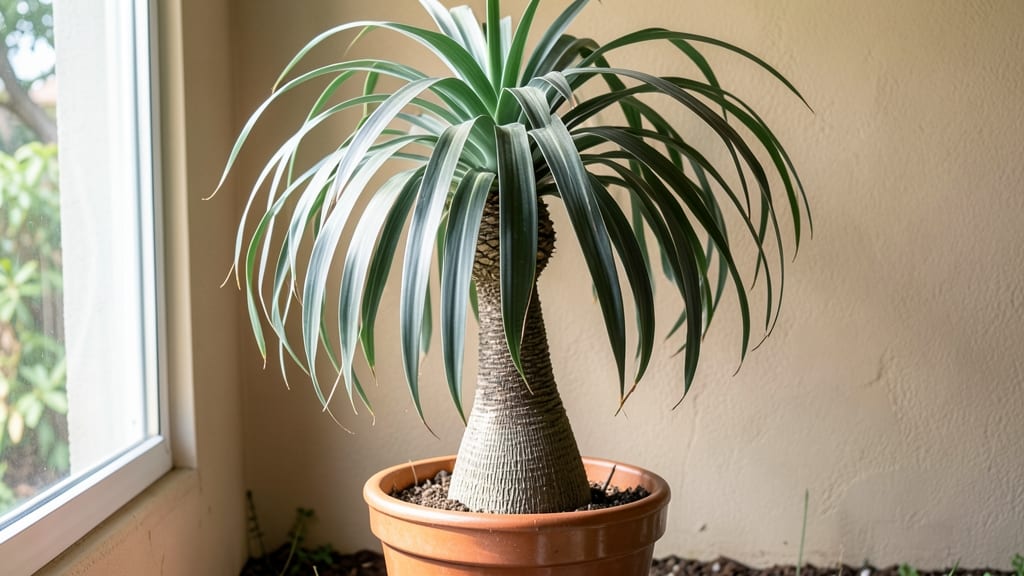
If you're wondering how tall does ponytail palm grow, the answer might surprise you—this striking 🌵 can reach heights of 6 to 10 feet indoors or outdoors, but it takes patience.
Unlike fast-growing plants, the ponytail palm stores water in its thick trunk, allowing it to grow slowly but steadily over decades.
What makes this plant so appealing is its adaptability—whether you're in USDA Zone 6a or a warmer climate, it thrives with minimal fuss. The key to managing its height lies in understanding its growth habits, from the swollen base that stores moisture to the way it stretches toward sunlight.
With the right care, you can even encourage a bushier shape instead of a single towering stem.
Many gardeners assume ponytail palms need constant attention, but the truth is, they're one of the most low-maintenance plants around. Whether you're a beginner or a seasoned plant parent, learning how to nurture this 🌵 will give you a stunning, long-lived addition to your space—without the hassle of rapid growth.
In this guide, I’ll break down everything you need to know about its mature size, how to control its height, and the simple care tips that keep it thriving for years. Let’s get started!


Ponytail palm mature height by variety: what to expect indoors vs. outdoors
The ponytail palm (Beaucarnea recurvata) is famous for its slow, steady growth and striking appearance—but its mature height can vary dramatically depending on where you grow it. Indoors, most varieties top out between 3 to 6 feet, while outdoors, they can reach 10+ feet under ideal conditions.
The key difference? Sunlight exposure, soil quality, and space to spread roots.
If you're eyeing a ponytail palm for your home, don’t expect rapid growth. These plants are notorious for their patience, often taking 10 to 20 years to reach maturity.
However, their unique swollen base (caudex) stores water, allowing them to thrive in dry conditions—making them perfect for busy gardeners or those with forgetful watering habits.
Outdoor ponytail palms grow taller because they have more room to develop their root systems and access to natural sunlight year-round. In contrast, indoor plants often stay smaller due to limited light and pot restrictions. But with the right care, even indoor specimens can reach impressive heights over time.
Here’s what you need to know about height expectations for the most common varieties:
| Variety | Indoor Height (ft) | Outdoor Height (ft) | Growth Rate (in/year) | Key Notes |
|---|---|---|---|---|
| Beaucarnea recurvata | 3–6 ft | 6–10 ft | 1–3 in | Most common; slow grower; drought-tolerant. |
| Nolina recurvata | 4–7 ft | 8–12 ft | 2–4 in | Faster-growing; needs full sun outdoors. |
| Dwarf Varieties (e.g., Beaucarnea hookeri) | 2–4 ft | 4–6 ft | 1 in | Ideal for small spaces; slower growth. |
Sunlight is the #1 factor affecting height. Ponytail palms need 6+ hours of direct sunlight daily to grow tall and strong. Without enough light, they’ll stretch toward windows, develop weak stems, and stay much shorter.
If your home only gets bright, indirect light, expect your plant to max out around 3–4 feet.
Soil type also plays a role. Ponytail palms thrive in well-draining, sandy soil that mimics their desert origins. Heavy, clay soil can stunt growth by causing root rot. If you’re growing outdoors, amend your garden soil with perlite or coarse sand to improve drainage and encourage taller growth.
Temperature matters too. Ponytail palms prefer warmth (70–90°F) and can’t tolerate frost. In colder climates, they’ll grow slower or even go dormant, halting height increases until spring. If you live in USDA Zones 9–11, you’ll see the fastest growth outdoors.
Pro tip: If you want a bushier, multi-trunk ponytail palm instead of a single tall stem, plant multiple offsets (pups) close together. This won’t reduce height but will create a fuller, more compact look—perfect for indoor spaces with lower ceilings.
Remember, patience is key. A 10-year-old ponytail palm might only be 3–4 feet tall, while a 20-year-old specimen could tower at 10 feet. With the right care, though, your ponytail palm will reward you with years of lush, tropical beauty—without the hassle of rapid growth.
Ponytail palm growth rate: how fast does it grow and when does it stop?
The ponytail palm (Beaucarnea recurvata) may look like a fast-growing tropical giant, but its growth is actually deceptively slow. In its first year, you’ll likely see just 1 foot of height gain, with only 2–3 inches annually after that.
This means it takes 10–20 years to reach its mature height of 6–10 feet, depending on conditions.
Don’t let the slow pace fool you—this plant stores water in its thick trunk, which helps it survive droughts but also slows vertical growth. The key to faster (though still modest) growth lies in light exposure and proper care.
Without enough sunlight, your ponytail palm might grow only 1–2 inches per year, stretching leggy and weak.
Here’s what to expect year by year: in year 1, your plant will hit 1 foot tall; by year 3, it’ll reach 3–4 feet.
After that, growth tapers off, with mature plants adding just a few inches annually until they stop growing entirely at 10–15 years old.
- Year 1: 1 ft (slow start)
- Year 3: 3–4 ft (steady growth)
- Year 5: 4–6 ft (slower increase)
- Year 10: 6–10 ft (mature height)
- Year 15+: No new growth (dormancy phase)
Watch for signs of healthy growth: a swollen trunk (its water storage system), dark green leaves, and a thick base. If your plant’s leaves turn yellow or brown, it’s likely overwatered or underlit, both of which stunt growth.
The trick is to mimic its natural desert habitat—bright light and infrequent watering.
Outdoor ponytail palms in USDA Zone 9–11 grow faster due to year-round warmth and sunlight, while indoor plants may take 20% longer to mature. If you’re impatient, consider a dwarf variety like Beaucarnea hookeri, which maxes out at 3–5 feet but follows the same slow growth pattern.
Remember: this plant’s patience pays off. A well-cared-for ponytail palm can live for decades, becoming a stunning focal point in your space—just don’t expect rapid results. Think of it as a long-term investment in low-maintenance beauty 🌵.