
How To
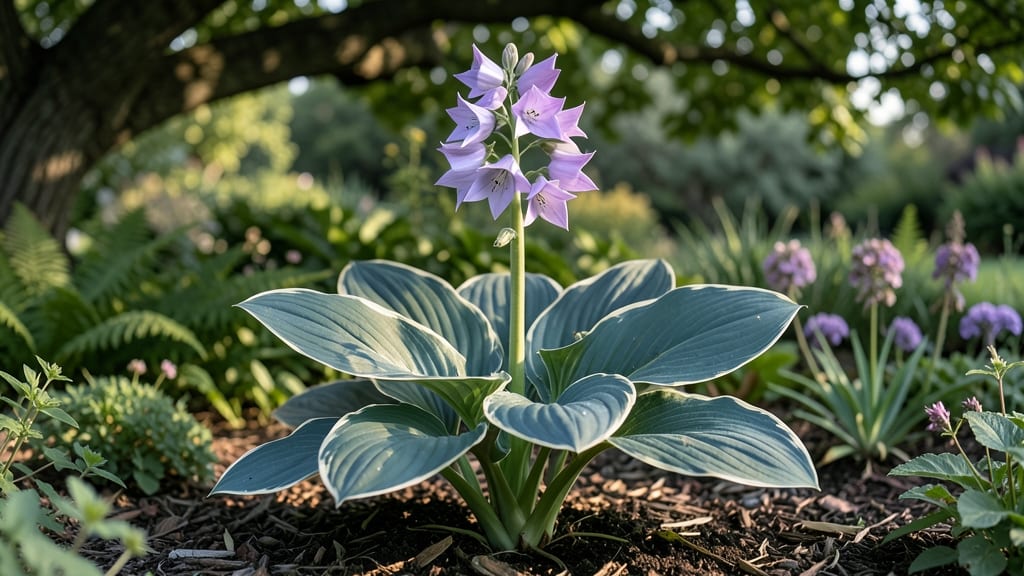
Hosta height ranges by fastest-maturing varieties (ranked by growth speed)
Hostas grow at wildly different rates, but some varieties shoot up faster than others. If you're planning your garden layout, knowing which hostas reach their mature height in just 2-3 seasons will help you avoid overcrowding.
The fastest-growing types like 'Sum and Substance' can add 12-18 inches per year under ideal conditions, while dwarf varieties stay put at 6-12 inches.
Most hostas reach about half their mature height by their second year, with dramatic growth spurts in spring. For example, a 3-foot hosta might only be 12 inches tall after planting but double in size the following year. Understanding these growth patterns lets you space plants correctly from day one.
Here’s how hosta heights break down by growth speed category, including the fastest-maturing varieties that dominate garden spaces quickly:
| Variety | Mature Height | Growth Speed | Time to Full Size |
|---|---|---|---|
| Sum and Substance | 3-4 ft | Very Fast | 2-3 years |
| Blue Angel | 3-4 ft | Fast | 3-4 years |
| Halcyon | 2-3 ft | Moderate | 3-5 years |
| Francee | 2-2.5 ft | Fast | 2-3 years |
| Guacamole | 1.5-2 ft | Moderate | 3-4 years |
| Patriot | 2-3 ft | Fast | 3 years |
| Dwarf Varieties (e.g., 'Pandora') | 6-12 in | Slow | 4-5 years |
Notice how 'Sum and Substance' and 'Blue Angel' top the list for both height and speed. These giants can overshadow smaller plants if not spaced properly. Meanwhile, dwarf varieties like 'Pandora' grow at a glacial pace, making them ideal for container gardens or rock gardens where space is limited.
Light conditions dramatically affect growth speed. Hostas in partial shade (4-6 hours of sun) grow 20-30% faster than those in full shade.
For example, a 'Halcyon' in partial shade might reach 3 feet in 3 years, while one in full shade could take 5 years to reach the same height. Always plant taller varieties toward the north or west side of your garden to avoid shading out smaller plants.
Soil quality is just as critical. Hostas thrive in rich, moist, well-draining soil with a pH of 6.5-7.5. Amend heavy clay with compost to prevent root rot, which stunts growth.
A 3-inch layer of mulch retains moisture and encourages deeper root systems, helping hostas reach their full potential height faster.
If you’re wondering whether hostas will outgrow their welcome, consider their spread rate too. While height is important, many varieties spread 2-3 times wider than they are tall. For instance, a 2-foot-tall hosta might spread 3-4 feet across, so plan accordingly when selecting varieties for tight spaces.
For gardeners in USDA Zones 3-8, hostas grow year-round with minimal winter dieback in colder climates. In Zone 9+, they may grow more aggressively due to longer growing seasons. Always check your local microclimate—hostas near large trees or buildings may grow slower due to competition for nutrients.
Pro tip: If you’re impatient for height, fertilize with a balanced 10-10-10 in early spring. This boosts foliage growth, which translates to faster vertical expansion. Just avoid over-fertilizing—too
How to control hosta height: pruning and spacing tips for compact growth
If your hostas are growing taller than planned, don’t panic! With the right techniques, you can easily manage their height and keep them from overwhelming your garden. The key lies in pruning at the right time and spacing them properly at planting.
Overgrown hostas aren’t just unsightly—they can also compete with nearby plants for nutrients and sunlight.
For tall varieties like 'Sum and Substance', pruning in early spring (just as new shoots emerge) is crucial. Cut back any dead or yellowed leaves first, then trim the remaining foliage by one-third to encourage bushier, more compact growth.
This method works best for aggressive growers that can reach 3-4 feet tall in just a few seasons.
Dwarf varieties like 'Pandora' (which max out at 12-18 inches) need far less maintenance, but even they benefit from light pruning in late summer. Remove any spent flower stalks and overly leggy leaves to maintain their neat, compact shape. This small effort prevents them from flopping or sprawling beyond their intended space.
Spacing is just as important as pruning. Giant hostas like 'Halcyon' (which can hit 3 feet tall) need 3-4 feet of space between plants, while dwarf varieties like 'Blue Mouse Ears' (under 1 foot tall) thrive in 12-18 inches of space.
Planting too close forces them to compete for resources, leading to stunted growth or disease.
For fast-growing varieties, divide mature clumps every 3-5 years to control size. This not only rejuvenates the plant but also gives you free plants for other areas of your garden. Spring or early fall are the best times for division, ensuring minimal stress on the plant.
With consistent pruning and proper spacing, you can keep hostas at your desired height while maintaining their health and beauty. Even the tallest varieties can be managed to fit seamlessly into small gardens or containers—just adjust your approach based on their growth habits.