
How To
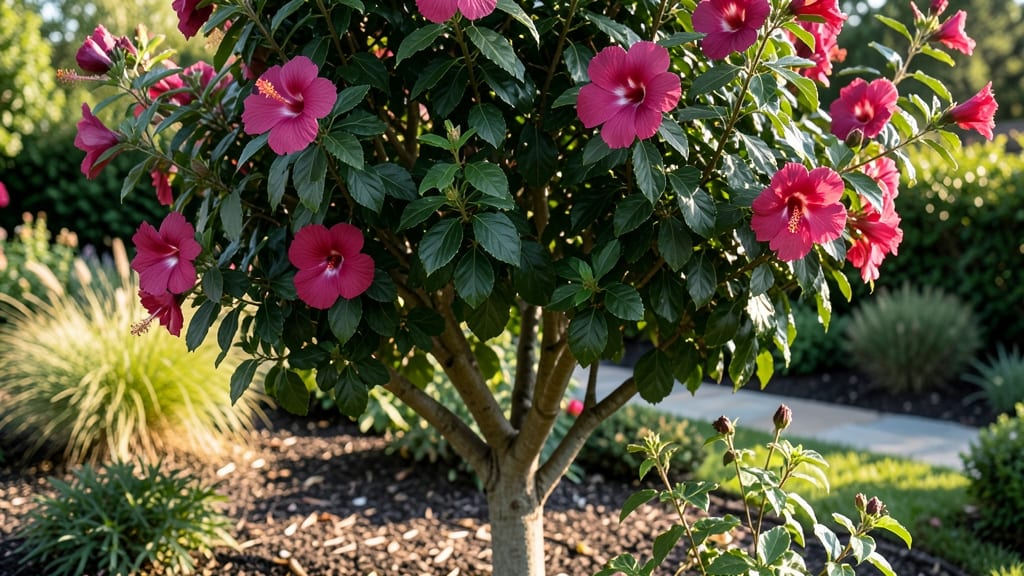
If you’re wondering how tall does a hibiscus tree grow, the answer might surprise you—these stunning 🌺 plants can reach heights from just a few feet to towering giants, depending on the variety and care you provide.
Picture this: a vibrant hibiscus tree standing proudly in your garden, its bold blooms drawing every eye. But before you plant, knowing its mature size is the key to giving it the perfect home.
Whether you’re dreaming of a compact accent plant or a dramatic backyard centerpiece, understanding height ranges helps you plan spacing and pruning for years of beautiful growth.
Some hibiscus varieties stay under 10 feet, ideal for containers or small yards, while others stretch toward 20 feet, making them statement pieces in larger landscapes. The good news? With the right techniques, you can control their height—whether you want a manageable shrub or a lush, flowering wall.
Let’s break down exactly what to expect from different hibiscus types, plus the simple tricks to keep them at your desired size. Ready to transform your outdoor space with these tropical beauties?


Hibiscus tree height by variety: from compact dwarf to towering giants
Hibiscus trees (Hibiscus rosa-sinensis, Hibiscus syriacus, and others) vary dramatically in height, from 3-foot dwarf varieties to 20-foot tropical giants. Your choice depends on your garden space, climate, and whether you want a small patio specimen or a statement backyard tree.
Let’s break down the most popular varieties and their mature heights.
Tropical hibiscus (Hibiscus rosa-sinensis) typically reach 10–15 feet tall in ideal conditions, with some varieties like ‘Dwarf Red’ staying under 5 feet. Hardy hibiscus (Hibiscus syriacus), like ‘Blue Chiffon’, max out around 8–10 feet.
Meanwhile, coastal hibiscus (Hibiscus tiliaceus) can tower up to 25 feet in warm climates. Always check your variety’s specific growth habits before planting!
🌺
| Variety | Mature Height | Sunlight Needs | Growth Habit |
|---|---|---|---|
| Hibiscus rosa-sinensis ‘Dwarf Red’ | 3–5 ft | Full sun (6+ hrs) | Compact, bushy |
| Hibiscus rosa-sinensis ‘Pink Giant’ | 10–15 ft | Full sun | Tall, upright |
| Hibiscus syriacus ‘Blue Chiffon’ | 8–10 ft | Full sun to part shade | Bushy, multi-stemmed |
| Hibiscus tiliaceus (Coastal Hibiscus) | 15–25 ft | Full sun | Fast-growing, tree-like |
| Hibiscus mutabilis (Confederate Rose) | 10–12 ft | Full sun | Multi-trunked shrub |
When selecting a hibiscus, consider your USDA hardiness zone. Tropical hibiscus thrive in zones 9–11 and may need winter protection in cooler areas. Hardy hibiscus (Hibiscus syriacus) survive zones 5–9 and handle colder temperatures better. Always check your variety’s cold tolerance before planting!
For small gardens or containers, opt for dwarf varieties like ‘Dwarf Red’ or ‘Lil’ Kim’. These stay under 5 feet and can even thrive in large pots (15+ gallons). Just ensure they get 6+ hours of sunlight daily to prevent leggy growth.
If you’re aiming for a privacy screen, coastal hibiscus or ‘Pink Giant’ will deliver dramatic height and lush foliage.
Soil type also affects height. Hibiscus prefer well-draining, slightly acidic soil (pH 6.0–7.0). Poor drainage or compacted soil can stunt growth, while rich, organic soil encourages faster, healthier development. Amend clay soil with compost or perlite to improve drainage and nutrient uptake.
🌿
If you’re growing hibiscus in containers, expect slightly smaller sizes due to root restriction. A 5-gallon pot might limit a tropical hibiscus to 6–8 feet, while a 15-gallon pot could support 10–12 feet of growth.
Always use a pot with drainage holes and repot every 2–3 years to accommodate root expansion.
Pro tip: Prune hibiscus in late winter or early spring to shape growth and encourage bushier habits. Removing 1/3 of the oldest wood promotes new blooms and controls height. Just avoid heavy pruning in summer, as it can reduce flowering for the season.
How to control hibiscus tree height: pruning, spacing & growing tips
Managing your hibiscus tree height starts with smart spacing and pruning. Since these plants can reach 10–20 feet in ideal conditions, planning early saves headaches later.
For small gardens, opt for dwarf varieties like ‘Dwarf Red’ (5–6 ft) or ‘Lil Kim’ (6–8 ft), which stay compact with minimal effort.
When planting, give mature hibiscus trees 6–10 feet of space between each plant. This prevents root competition and ensures airflow, reducing disease risks. In containers, choose large pots (at least 18–24 inches wide) to accommodate their root systems without stunting growth.
🌺 Key Pruning Tips for Height Control
- Prune in late winter (before new growth) to shape the tree and encourage bushier growth.
- Remove 1/3 of the tallest branches annually to maintain your desired height.
- Use clean, sharp pruners to cut just above a leaf node or bud for faster healing.
- Avoid over-pruning—never trim more than 25% of the plant in one session.
- Pinch back new growth tips in spring to promote wider, fuller blooms.
For tropical hibiscus varieties (Hibiscus rosa-sinensis), regular pruning keeps them manageable in containers or small yards. Focus on removing dead or crossing branches first, then shape the canopy. If you notice leggy growth, it’s a sign your plant needs more sunlight or a pruning session.
Fertilizing plays a role too—use a balanced 10-10-10 fertilizer every 4–6 weeks during growing months (spring–fall) to support healthy growth. Over-fertilizing can lead to excessive foliage at the expense of flowers, so follow the 1 tbsp/plant rule and water thoroughly after applying.
In USDA Zones 6–10, hibiscus trees thrive outdoors year-round, but in colder climates, they may need winter protection. Wrap the base with burlap or mulch and prune back 1/3 of the height before the first frost to encourage new spring growth.
Remember, patience is key—hibiscus trees grow 1–2 feet per year under ideal conditions. With the right pruning schedule and spacing plan, you’ll keep your hibiscus looking stunning without it becoming a backyard giant.