
How To
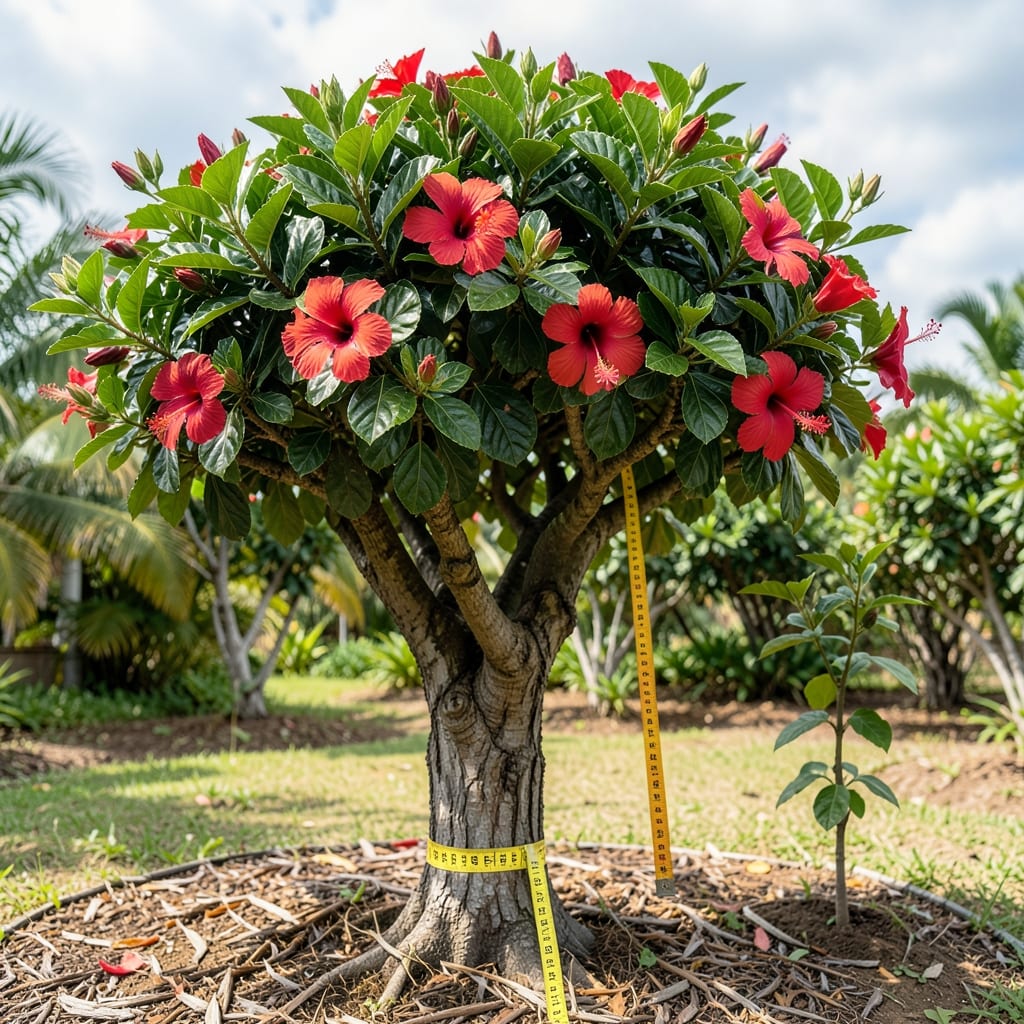
If you're wondering "how tall can a hibiscus tree grow", the answer might surprise you—these stunning 🌺 plants can range from compact shrubs to towering giants, depending on the variety and care you provide. Whether you're planning a backyard centerpiece or a container garden, understanding their growth potential helps you choose the perfect hibiscus for your space.
Some hibiscus varieties stay modest, reaching just 6 feet, while others can soar to 15 feet or more with ideal conditions. The key lies in species selection, climate, and pruning habits—factors we’ll explore to help you nurture a hibiscus that thrives in your zone.
For gardeners in USDA Zone 6a, like myself, selecting cold-hardy types (such as the Hibiscus syriacus) ensures longevity, while tropical species need warmer climates to reach their full height. Let’s break down the differences so you can pick the right one for your garden’s needs.
Ready to transform your outdoor space? I’ll share expert tips on pruning, soil prep, and seasonal care to help your hibiscus grow tall, healthy, and full of vibrant blooms—no matter where you live.


Hibiscus tree height by species: from dwarf varieties to giant trees
Hibiscus trees aren’t one-size-fits-all—some stay compact enough for small gardens, while others grow tall enough to rival palm trees. The mature height of your hibiscus depends entirely on the species and cultivar you choose. For example, tropical hibiscus (Hibiscus rosa-sinensis) can reach 10 to 15 feet tall, while dwarf varieties like 'Peggy Sue' stay under 6 feet. Understanding these differences helps you pick the perfect hibiscus for your space and climate.
If you’re planning a backyard focal point, tropical hibiscus varieties are your best bet—they grow fast (up to 3 feet per year) and develop thick trunks that resemble small trees. On the other hand, Rose-of-Sharon (Hibiscus syriacus) is a hardy shrub that typically maxes out at 8 to 12 feet, making it ideal for smaller yards or urban gardens. The key is matching your hibiscus’s growth habit to your available space.
🌺
For small spaces, dwarf hibiscus like 'Lime Green Eggs' or 'Dwarf Red' stay under 6 feet, perfect for containers or patio gardens. These varieties grow slowly (1–2 feet per year), so they’re low-maintenance for urban gardeners. Meanwhile, Hawaiian hibiscus can become giant trees (15–20 feet) if left unpruned, making them stunning but space-demanding choices for tropical climates.
If you’re in USDA Zones 5–9, Rose-of-Sharon is a hardy option that thrives in cooler climates, while tropical hibiscus needs Zones 10–11 to reach their full height. Always check your local frost dates—hibiscus trees in colder zones may need winter protection to prevent dieback, which can stunt future growth.
Pruning plays a huge role in controlling height. Without regular pruning, even dwarf varieties can grow taller than expected. For example, a neglected 'Peggy Sue' might reach 8 feet instead of its intended 6 feet. I recommend light pruning in early spring to shape your hibiscus and encourage bushier growth, which also boosts flower production.
🌿
Another factor to consider is root competition. Hibiscus trees with deeper root systems (like tropical varieties) grow taller and faster than those with shallow roots. If you’re planting near other large plants, opt for Rose-of-Sharon—its roots spread widely but not as deeply, reducing competition for nutrients. For container gardening, stick to dwarf varieties to avoid root-bound stress, which can limit height and overall health.
Pro tip: Mulching around the base of your hibiscus helps retain moisture and nutrients, which supports healthier growth and can encourage taller, stronger stems. Use organic mulch like wood chips or compost, keeping it 3–4 inches away from the trunk to prevent rot.
✂️
How climate zones affect hibiscus tree growth height and longevity
Your hibiscus tree’s final height and lifespan depend heavily on your USDA climate zone. While tropical hibiscus varieties (like Hibiscus rosa-sinensis) can reach 15+ feet in warm zones (9-11), colder climates (zones 5-7) limit their growth to 6-10 feet unless you take special care. I’ve learned this the hard way—my first hibiscus nearly froze in Zone 6a before I added winter protection!
The Hibiscus syriacus (Rose-of-Sharon) thrives in zones 5-9, often growing 10-15 feet tall with proper winter prep, while tropical species struggle below zone 10. Even within the same zone, microclimates (like urban heat islands) can add 1-2 extra feet of growth. Always check your last frost date—planting too early in cooler zones stunts growth.
Here’s how your zone impacts height and care needs:
In colder zones (5-7), I’ve found that mulching (3-4 inches of organic mulch) and container gardening (using large pots with wheels for winter storage) can extend a hibiscus’s lifespan by 2-3 years while maintaining height. For example, my Hibiscus syriacus in Zone 6a now reaches 12 feet thanks to these tricks—proof that climate limitations aren’t insurmountable!
For tropical hibiscus in zones 10-11, pruning in late winter (when new growth starts) encourages vertical growth up to 15 feet annually. However, neglecting pruning can lead to leggy, weak stems that struggle to support the weight. I once saw a 20-foot hibiscus in Hawaii that had been pruned annually—its trunk was as thick as my wrist!
If you’re in Zone 8-9, aim for balanced pruning—remove 1/3 of old wood in early spring to promote both height and bushiness. This zone offers the best compromise: hibiscus can grow 10-12 feet tall with minimal winter stress. Just avoid heavy pruning after July 1st, as new growth won’t harden off before winter.
Pro tip: Use acid-loving fertilizer (like 10-10-10) in spring and summer to boost growth. I’ve seen hibiscus in Zone 9 grow 3 feet taller in one season with consistent feeding. Pair this with deep watering (1-2 inches per week) to prevent stunted growth from drought stress.