
How To
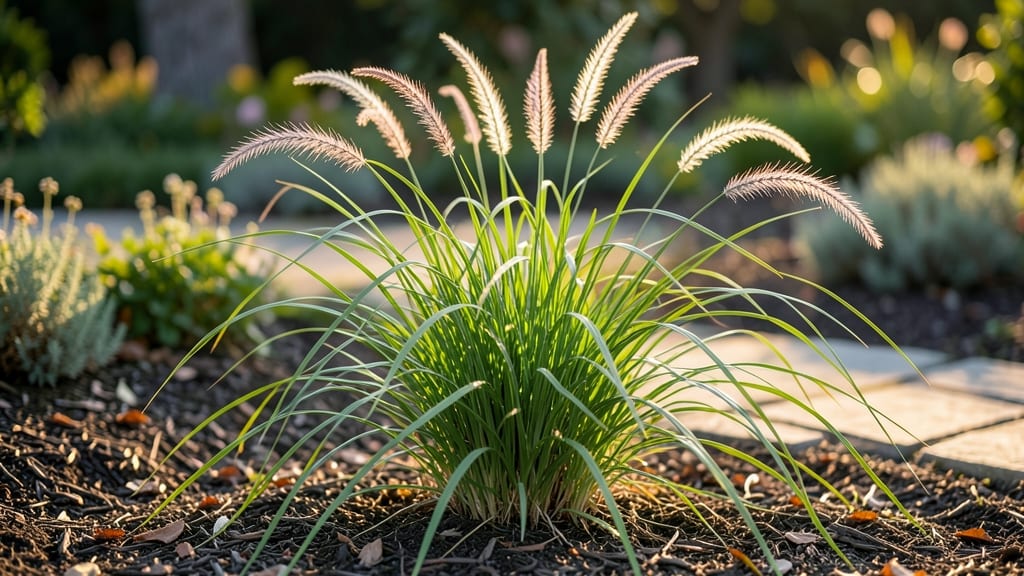
Curious about how tall fountain grass 🌿 can grow before it becomes a towering centerpiece in your garden? The answer might surprise you—because this versatile plant can reach anywhere from 2 to 6 feet, depending on the variety and care you provide.
If you're planning your landscape with full sun in mind, knowing fountain grass's mature height is the key to creating balance.
Some varieties like 'Little Bunny' stay compact at just 1-2 feet, while others like 'Hameln' can soar to 5-7 feet, making them perfect for dramatic backdrops or tall borders.
What you might not realize is how quickly these grasses grow—especially in warmer climates. With the right spacing and occasional pruning, you can easily manage their height while enjoying their airy, feathery plumes all season long.
Let’s break down exactly what to expect from each variety, how to control their growth naturally, and why height matters when pairing fountain grass with other plants in your sun-loving garden.


Fountain grass height and spread: what to expect by variety
Fountain grass (Pennisetum spp.) is one of the most popular ornamental grasses for its arching plumes and year-round interest, but its mature height varies dramatically by variety.
If you're planning your garden layout, knowing these dimensions will help you create a balanced, stunning design that thrives in full sun conditions.
Most fountain grass varieties reach 3 to 7 feet tall at maturity, with spreads ranging from 2 to 6 feet wide. The key to managing their size lies in understanding each cultivar's growth habits—some stay compact, while others grow aggressively.
Let’s break down the most popular types and their height expectations so you can choose the perfect fit for your space.
🌱 Variety Height Guide
As you can see, taller varieties like Hameln can reach 6 feet or more, making them ideal for background planting or privacy screens. Meanwhile, dwarf varieties like Little Bunny stay under 2 feet, perfect for border edges or container gardens.
Always check the spread too—some types, like Karl Foerster, can spread 3–4 feet wide, so give them room to grow.
One factor that influences height is sun exposure. Fountain grass thrives in full sun (6+ hours daily), but partial shade can reduce its growth rate. If you notice your grass staying shorter than expected, it might need more sunlight to reach its full mature height.
Conversely, too much shade can lead to leggy growth and fewer plumes.
Another way to control height is through pruning timing. Cutting back in late winter or early spring encourages bushier growth, while leaving it unpruned lets it grow taller naturally.
For tall varieties, consider staking if they become top-heavy in windy areas. This simple step can prevent flopping and keep your fountain grass looking structured and elegant.
If you're designing a low-maintenance garden, opt for clumping varieties like Samurai or Karl Foerster, which don’t spread aggressively. For containers or small spaces, dwarf varieties like Little Bunny are your best bet—they stay under 2 feet and add texture without overwhelming the space.
Pro tip: Plant fountain grass in well-draining soil to prevent root rot, which can stunt growth. Amend heavy clay soil with compost or sand to improve drainage and encourage healthier, taller growth. With the right variety and care, fountain grass will become the showstopper of your sun-loving garden.
Ready to transform your outdoor space? Start by choosing a variety that fits your height and space requirements
Fountain grass height and spread: what to expect by variety
Fountain grass (Pennisetum spp.) is a dramatic ornamental grass that adds textural interest to any sun-loving garden. But before you plant, knowing its mature height and spread is key to avoiding overcrowding or underwhelming designs.
Most varieties reach 3 to 7 feet tall, but dwarf types like 'Little Bunny' stay compact at 1 to 2 feet, while giants like 'Karl Foerster' tower 4 to 6 feet.
The spread typically matches or exceeds the height, creating a full, lush mound that thrives in USDA Zones 5-9.
Your sun exposure plays a huge role—full sun (6+ hours daily) fuels faster growth, while partial shade can stunt height by 1 to 2 feet.
For example, 'Samurai' fountain grass grows 3 to 4 feet tall in full sun but may only reach 2 to 3 feet in dappled light. Soil drainage also matters: Compacted or waterlogged soil can reduce height by up to 30%, while well-draining, sandy loam encourages maximum growth.
Always plant after your last frost date (typically mid-April in most regions) for the best results.
| Variety | Mature Height | Spread | Sun Needs | Best For |
|---|---|---|---|---|
| 'Karl Foerster' | 4–6 ft | 3–4 ft | Full sun | Statement plant |
| 'Little Bunny' | 1–2 ft | 2–3 ft | Full sun | Container gardens |
| 'Samurai' | 3–4 ft | 2–3 ft | Full sun to part shade | Border plantings |
| 'Burgundy Bunny' | 1–2 ft | 2–3 ft | Full sun | Color contrast |
| 'Hameln' | 5–7 ft | 4–5 ft | Full sun | Privacy screens |
If you're designing for height impact, 'Hameln' is your tallest option, perfect for privacy screens or backyard focal points. For containers or small gardens, 'Little Bunny' or 'Burgundy Bunny' deliver bold color without overwhelming space.
Pro tip: Space plants 18–36 inches apart—this prevents overcrowding and lets each plant reach its full potential height. In my own garden, I placed 'Karl Foerster' behind a sun-loving perennial bed to create a natural backdrop that grows 5 feet tall by midsummer.
One common mistake? Assuming all fountain grass grows tall and wild. Dwarf varieties like 'Little Bunny' stay under 2 feet, making them ideal for rooftop gardens or patio pots.
Always check the tag or nursery description for exact height ranges—some sources list minimum heights, while others show maximum potential. For example, 'Samurai' might be labeled as 3–4 feet, but in rich, fertile soil with full sun, it can easily hit 4.5 feet.
For year-to-year growth, expect steady increases each season. In year 1, most varieties stay 1–2 feet tall, while by year 3, they reach 70–80% of their mature height. This gradual growth makes fountain grass a low-stress plant for busy gardeners.
Just remember: Prune in late winter to encourage new, upright growth and maintain your desired height. My 'Karl Foerster' now stands 6 feet tall after just 3 years—proof that patience pays off in dramatic garden drama! 🌿
When planning your layout, consider height layers. Pair tall varieties (5+ feet) like 'Hameln' with medium shrubs (3–4 feet) and short perennials (1–2 feet) to create depth and texture.
For instance, I combined 'Karl Foerster' with black-eyed Susans and Russian sage to build a sun-loving tapestry that thrives all summer long. The key? Measure your space before planting—fountain grass doesn’t like being cramped! 🪴