
How To
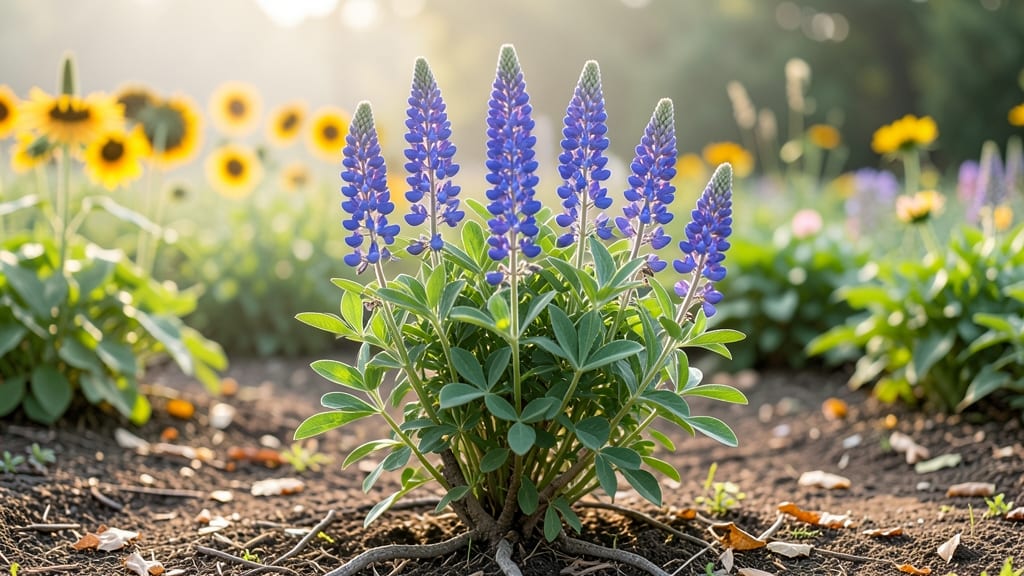
Want to know how tall does false indigo grow before adding this stunning 🌸 shrub to your garden? The answer might surprise you—because this native beauty can range from a modest 2 feet to a towering 5 feet, depending on where you live and how you care for it.
False indigo thrives in USDA Zone 6a and beyond, making it a fantastic choice for spring gardens. Whether you're planning a low border or a bold statement plant, understanding its growth habits will help you space it just right.
The key? Sunlight, soil, and a little patience—this shrub doesn’t rush, but it rewards you with striking purple blooms and long-lasting foliage.
In the wild, false indigo often stays on the shorter side, but in cultivated gardens, it can stretch taller with proper care.
We’ll break down the factors that influence its height, from soil type to pruning tips, so you can get the look you want—whether that’s a neat 3-foot hedge or a dramatic 5-foot focal point.
Ready to transform your garden with this versatile shrub? Let’s explore how to maximize (or control) false indigo’s height so you can plant with confidence. Your spring garden will thank you!


False indigo height in native habitats: what to expect in the wild
False indigo thrives naturally across the southeastern United States, where its height varies dramatically based on regional conditions. In its native habitats, this hardy perennial typically reaches 3 to 5 feet tall, though wild specimens can occasionally exceed 6 feet in ideal settings.
Understanding these natural variations helps you replicate—or modify—its growth in your garden.
The plant’s height depends heavily on soil quality and climate factors.
In sandy, well-draining soils common to Georgia and North Carolina, false indigo often stays on the shorter side (3–4 feet), while richer, loamy soils in Florida or Alabama can produce taller, bushier plants (4–5 feet).
Humidity levels also play a role—drier inland regions may limit growth compared to coastal areas with higher moisture.
| Region | Soil Type | Avg. Height | Climate Notes |
|---|---|---|---|
| Georgia | Sandy loam | 3–4 ft | Moderate humidity, well-drained |
| North Carolina | Clay loam | 4–5 ft | Higher rainfall, cooler summers |
| Florida | Rich organic | 4–6 ft | High humidity, warm year-round |
| Alabama | Loamy | 3–5 ft | Variable rainfall, hot summers |
In wildflower meadows, false indigo often grows as part of a multi-species understory, where competition for sunlight keeps it shorter (2–3 feet). However, when planted in open, sunny areas with minimal competition, it can stretch toward its maximum height of 5–6 feet.
This natural flexibility makes it adaptable to both wild gardens and structured landscapes.
One key factor influencing height is the plant’s age and maturity. Younger plants (1–2 years old) stay compact (1–2 feet), while established specimens in their third year or beyond reach their full potential.
If you’re planting false indigo for a privacy screen or background border, give it 3–4 years to fully mature for the best results.
Wild false indigo also exhibits regional color variations that can hint at height differences. For example, the bluer flowers found in cooler, higher-elevation areas (like the Appalachian foothills) tend to grow on slightly shorter, denser plants, while the vibrant purple blooms of lowland regions often accompany taller growth.
These traits can help you select varieties that fit your garden’s aesthetic and space constraints.
When comparing wild false indigo to cultivated varieties, you’ll notice that garden-bred types (like 'Carolina Moonlight') are often 10–20% taller due to selective breeding for larger blooms and denser foliage.
However, their natural growth habits remain similar—just with a bit more vigor. This makes them ideal for gardeners who want a taller, more structured look without sacrificing the plant’s native resilience.
If you’re restoring a native prairie or woodland edge, aim for spaced plantings of 3–4 feet apart to mimic natural densities. In contrast, for garden borders or mass plantings, you can reduce spacing to 2–3 feet to encourage a fuller, bushier appearance.
Just remember: false indigo’s root system is extensive, so avoid overcrowding to prevent competition for nutrients.
For gardeners in USDA Zones 5–9, false indigo’s height in the wild serves as a baseline for expectations. However, microclimates (like urban heat islands or sheltered garden nooks) can push heights beyond these averages.
Always monitor your plant’s growth and adjust spacing or pruning as needed to maintain your desired landscape balance.
Finally, false indigo’s height isn’t its only asset. Its long bloom season (May–July) and drought tolerance make it a low-maintenance choice for xeriscaping or pollinator gardens.
Whether you’re aiming for a wild, natural look or a neat, structured hedge, understanding its native growth patterns will help you achieve the perfect fit for your space.
False indigo height in native habitats: what to expect in the wild
False indigo thrives naturally across the southeastern U.S., where its height varies dramatically based on soil quality and climate conditions. In its native range, you’ll typically find wild specimens reaching 3 to 5 feet tall, though some may stretch up to 6 feet in ideal conditions.
The plant’s natural spread can also reach 3 to 4 feet wide, creating a dense, bushy appearance.
In moist, well-drained soils—like those found in woodland edges or prairie habitats—false indigo grows taller and more vigorous. However, in drier, rocky soils, it often stays shorter, around 2 to 3 feet, while still producing stunning blue-purple flowers in spring.
This adaptability makes it a resilient choice for native gardens.
| Habitat Type | Height Range | Spread | Key Notes |
|---|---|---|---|
| Woodland Edge | 4–5 ft | 3–4 ft | Moist, rich soil; taller growth |
| Prairie | 3–4 ft | 2–3 ft | Well-drained, open spaces |
| Dry, Rocky Soil | 2–3 ft | 1.5–2.5 ft | Slower growth, drought-tolerant |
One fascinating aspect of false indigo’s growth in the wild is its clumping habit. Unlike some shrubs that spread aggressively, false indigo forms dense, rounded clumps, making it ideal for native plantings or wildflower gardens.
In southern states, where winters are milder, it may grow slightly taller and more lush, while in northern reaches of its range, it tends to stay shorter due to cooler temperatures.
When comparing wild specimens to cultivated varieties, you’ll notice that garden-grown false indigo often reaches its maximum height faster due to fertilized soil and regular watering. However, the natural growth rate in the wild is slower, allowing the plant to establish deep roots before shooting upward.
This resilience is one reason false indigo is so popular among low-maintenance gardeners.
If you’re planning to introduce false indigo into your garden, consider mimicking its native conditions as closely as possible. Planting it in well-draining soil with partial sun exposure will encourage healthier growth and help it reach its ideal height of 3 to 5 feet over time.
Just remember: patience is key—it may take 2 to 3 years to reach its full potential.
For those in USDA Zones 4–9, false indigo is a fantastic choice for adding color and texture to your landscape. Its height and spread make it perfect for border plantings, pollinator gardens, or even as a backdrop for shorter perennials.
With the right conditions, you’ll be rewarded with years of stunning blooms and minimal upkeep.