
How To
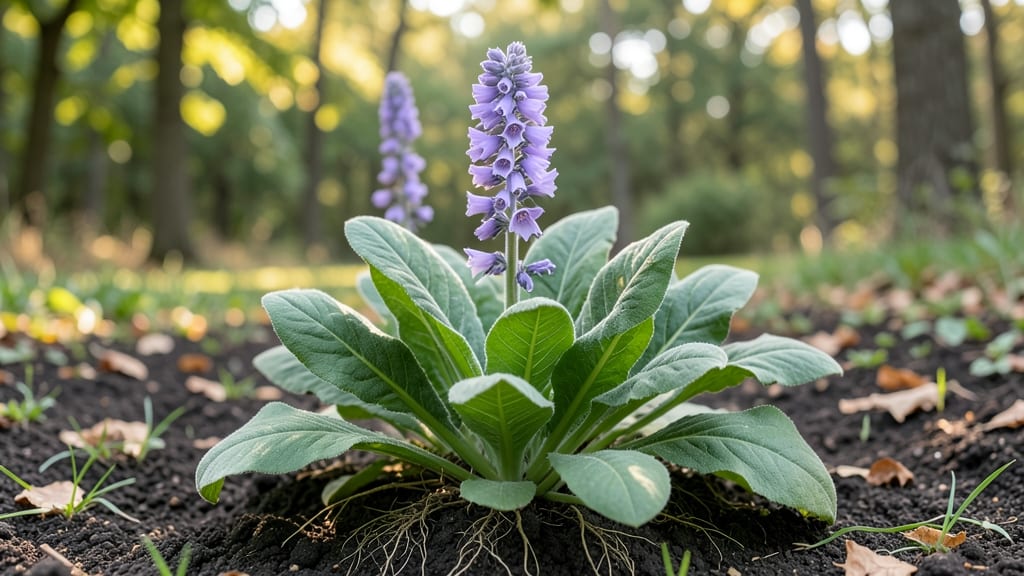
Curious about how tall does comfrey grow? The answer depends on the variety you're growing—and trust me, the differences are surprising. While most gardeners expect comfrey to reach a modest 3-5 feet, some varieties can tower over 6 feet if given the right conditions.
If you're planting in Zone 6a like many gardeners, you'll likely see your comfrey hit its mature height by its second or third year. The key to controlling its growth lies in understanding your specific variety and how it responds to sunlight, soil quality, and even pruning habits.
Let me break down exactly how tall different comfrey types grow and share my best tips for managing their size—whether you want lush foliage for harvest or a more contained garden presence. You'll discover how simple adjustments can keep your comfrey from becoming an unruly giant.
Ready to transform your garden space without sacrificing yield? I'll show you how to work with comfrey's natural growth patterns for a perfect balance of beauty and productivity.


Comfrey height by variety: from dwarf to giant growth
Comfrey (Symphytum spp.) is a hardy perennial that can transform from a modest herb into a towering garden staple, depending on the variety. While some types stay compact, others reach 6 feet or taller—so knowing your comfrey’s potential height is key to planning your garden layout.
Let’s explore the height ranges of the most popular varieties and how to use them effectively.
Most gardeners grow common comfrey (Symphytum officinale), which typically reaches 3 to 5 feet tall at maturity. However, hybrid varieties like Russian comfrey (Symphytum × uplandicum) can surpass this, growing 5 to 6 feet under ideal conditions.
Even dwarf varieties (though rare) rarely drop below 2 to 3 feet, making comfrey a versatile choice for borders, medicinal patches, or pollinator gardens.
🌿
| Variety | Mature Height | Growth Habit | Best For |
|---|---|---|---|
| Symphytum officinale (Common Comfrey) | 3–5 ft | Clumping, upright | Medicinal, mulch, pollinators |
| Symphytum × uplandicum (Russian Comfrey) | 5–6 ft | Tall, bushy, aggressive spreader | Large gardens, soil improvement |
| Symphytum grandiflorum (Flowering Comfrey) | 2–4 ft | Compact, showy blooms | Ornamental, cut flowers |
| Symphytum asperum (Rough Comfrey) | 3–4 ft | Slender stems, less aggressive | Small spaces, culinary use |
If you’re growing comfrey for medicinal purposes, Symphytum officinale is the gold standard, with its 4-foot height making it easy to harvest leaves without stooping.
For soil enrichment, Russian comfrey’s taller stature allows it to dominate space quickly, making it ideal for compost piles or as a living mulch. Meanwhile, Symphytum grandiflorum adds ornamental value with its striking flowers while staying shorter and more contained.
Height isn’t the only factor—growth rate matters too. Russian comfrey can grow up to 2 feet per year, while common comfrey grows 1 to 1.5 feet annually.
This rapid growth means you’ll need to prune regularly to prevent it from overtaking other plants, especially in small gardens or containers. Always leave 6 to 12 inches of space between comfrey plants to avoid crowding.
🌱
For container gardening, choose dwarf varieties or prune aggressively. Even Symphytum officinale can be kept in check with regular harvesting—simply snip back stems after each harvest to encourage bushier growth.
In larger landscapes, comfrey thrives as a privacy screen or windbreak, thanks to its dense foliage and height. Just be prepared for its aggressive root system, which can spread 3 to 5 feet outward from the base.
One common misconception is that all comfrey grows equally tall. In reality, climate and soil quality play huge roles. In cooler climates (USDA Zones 3–6), comfrey may stay shorter due to slower growth, while in warmer zones (7–10), it can reach its maximum height with abundant sunlight.
Always mulch heavily to retain moisture and encourage taller, fuller growth.
✂️
Whether you’re growing comfrey for medicine, mulch, or beauty, understanding its height helps you plan your garden layout and manage its spread. Next, we’ll explore how climate zones further influence comfrey’s growth—so you can tailor your care to your local conditions.
Comfrey height by variety: from dwarf to giant growth
Comfrey (Symphytum spp.) is a hardy perennial that can dramatically transform your garden's height profile. Whether you're growing it for medicinal leaves, soil enrichment, or as a living mulch, understanding its mature height helps you plan spacing and pruning strategies.
Most varieties reach 3 to 5 feet at maturity, but some can tower over 6 feet under ideal conditions.
The height of your comfrey depends on three key factors: the specific variety, growing conditions, and climate zone.
For example, Russian comfrey (Symphytum × uplandicum) is the tallest common variety, often exceeding 5 feet, while common comfrey (Symphytum officinale) typically stays between 3 and 4 feet.
Let's explore the height ranges and growth habits of popular varieties to help you choose the right one for your garden.
| Variety | Mature Height | Growth Habit | Best Uses |
|---|---|---|---|
| Russian Comfrey (Symphytum × uplandicum) | 5–6+ ft | Upright, bushy, aggressive spreader | Medicinal, soil builder, livestock feed |
| Common Comfrey (Symphytum officinale) | 3–4 ft | Clumping, slightly woody stems | Culinary (young leaves), medicinal |
| Bocking 14 (Symphytum × uplandicum cultivar) | 4–5 ft | Compact, less aggressive spread | Ornamental, medicinal, soil amendment |
| Prussian Blue (Symphytum grandiflorum) | 3–4 ft | Slender stems, blue flowers | Ornamental, medicinal |
Russian comfrey is the tallest variety, often reaching 6 feet or more in rich, moist soil with full sun. This makes it ideal for privacy screens or windbreaks, but its aggressive spread requires containment.
Bocking 14, a cultivar of Russian comfrey, offers a slightly more manageable height (4–5 feet) while maintaining its soil-building benefits.
If you're working with limited space, common comfrey or Prussian Blue are excellent choices. Both stay between 3 and 4 feet and are perfect for small gardens or container growing.
However, even these shorter varieties can spread widely, so plan for at least 3 feet of space around each plant to prevent crowding.
For first-year growth, expect comfrey to reach 2–3 feet tall, with significant height increases in subsequent years. By its third year, most varieties will hit their mature height range.
This rapid growth is one reason comfrey is prized as a dynamic accumulator—it quickly enriches soil with nitrogen and other nutrients.
Pro tip: If you're growing comfrey for leaf harvest, shorter varieties like common comfrey are easier to maintain. For soil improvement, taller varieties like Russian comfrey are more efficient due to their larger biomass. Always prune regularly to encourage leaf production and prevent woody stems from forming.