
How To
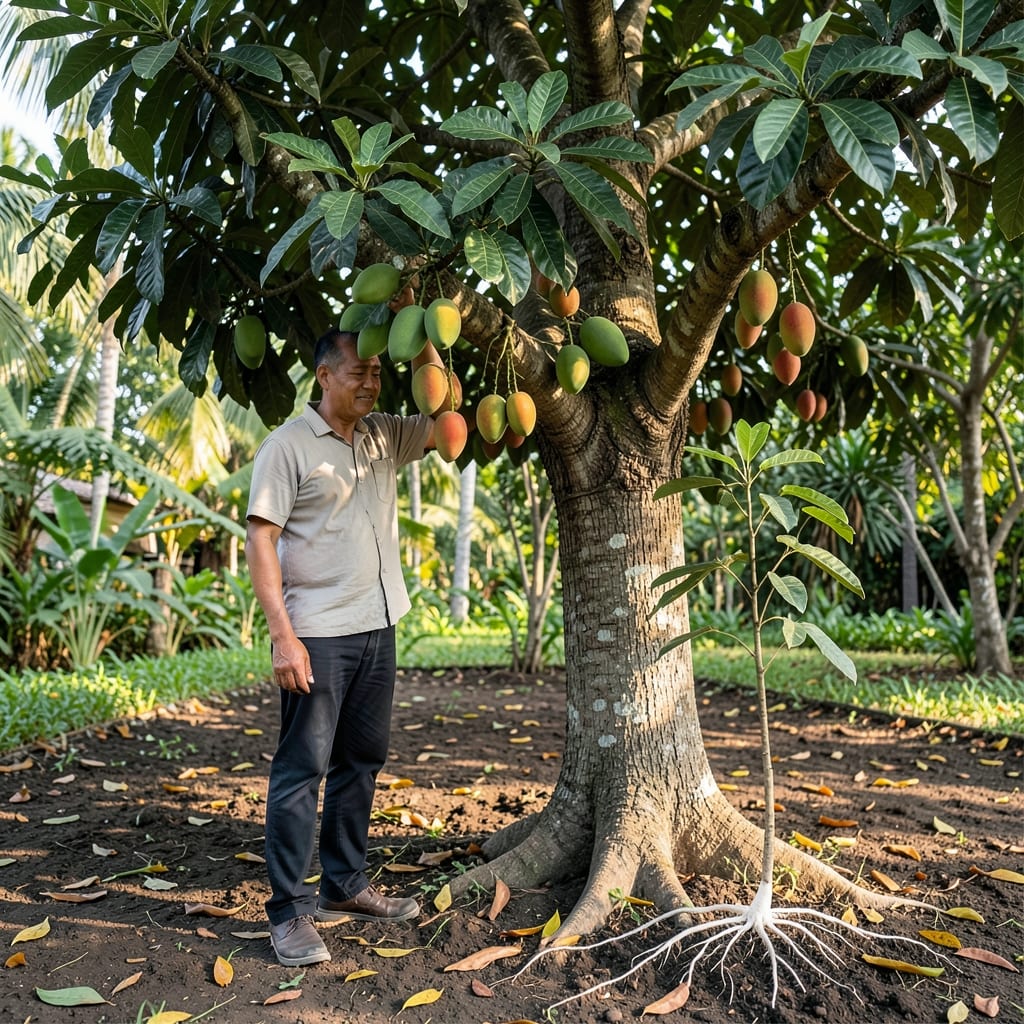
Ever wondered how tall a mango tree can grow in your backyard? The answer might surprise you—some mango trees reach heights that dwarf even the tallest two-story homes, while others stay compact enough for urban gardens.
If you're dreaming of homegrown mangoes but worried about space, don't fret. The height of a mango tree depends on the variety, climate, and care you provide. From towering giants in tropical regions to manageable dwarf varieties, there's a perfect fit for every garden—even yours.
Let’s break down the key factors that determine how tall your mango tree can grow, including the fastest-growing varieties and pruning tips to keep it at your desired height. Whether you're a seasoned gardener or just starting, you’ll find the insights you need.
Ready to discover how to grow a mango tree that suits your space? You’ll learn which varieties stay small, how climate affects growth, and the simple tricks to control height—so you can enjoy fresh mangoes without sacrificing your yard.


Mango tree height by variety: dwarf vs. giant growth differences
If you’ve ever dreamed of growing your own mango tree, you might be surprised to learn that its height can vary dramatically depending on the variety. Standard mango trees can soar to 50-100 feet, while dwarf varieties stay a manageable 10-15 feet. The difference comes down to genetics, grafting techniques, and even the tree’s natural growth habits.
For example, the 'Alphonso' variety, a favorite in India, often reaches 80-100 feet in ideal tropical conditions. Meanwhile, the 'Cogshall' dwarf variety tops out at just 10-15 feet, making it perfect for urban gardens or containers. Choosing the right variety isn’t just about space—it’s also about fruit quality and yield.
Here’s how genetics play a role: Most commercial mango trees are grafted onto rootstocks that control height. Dwarf rootstocks restrict growth, while standard rootstocks allow the tree to grow to its full potential. If you’re short on space, dwarf varieties are a game-changer.
But before you pick a variety, consider your climate. Some tall varieties thrive in humid tropical zones like Florida or Hawaii, while others struggle in drier subtropical areas. A 'Haden' mango, for instance, grows 30-50 feet but prefers warmer climates, while a 'Keitt' can reach 40-60 feet and tolerates slightly cooler temperatures.
Now, let’s break down the height differences with a quick comparison so you can visualize what to expect in your garden.
| Variety | Mature Height | Growth Habit | Best For |
|---|---|---|---|
| 'Alphonso' | 80-100 ft | Fast-growing, upright | Large estates, tropical climates |
| 'Cogshall' | 10-15 ft | Dwarf, compact | Containers, small yards |
| 'Haden' | 30-50 ft | Moderate, spreading | Subtropical gardens, urban areas |
| 'Keitt' | 40-60 ft | Tall, dense canopy | Commercial orchards, warm climates |
| 'Julie' | 25-35 ft | Semi-dwarf, rounded | Backyards, cooler subtropical zones |
If you’re growing mangoes in a small space, dwarf varieties like 'Cogshall' or 'Julie' are your best bet. They produce fruit just as sweet but stay under 15-35 feet. Meanwhile, if you’re in a tropical climate with plenty of room, varieties like 'Alphonso' or 'Keitt' will reward you with towering trees and bountiful harvests.
One thing to remember: Even dwarf varieties need proper care to reach their full potential. Pruning and fertilization play a huge role in controlling height and encouraging healthy growth. For instance, regular pruning can keep a 'Haden' at 25 feet instead of letting it grow to 50 feet.
So, whether you’re dreaming of a shade-providing giant or a container-friendly dwarf, the key is choosing the right variety for your space and climate. With the right care, you’ll be enjoying homegrown mangoes in no time!
🌳
Climate zones and soil conditions that affect mango tree height
If you’ve ever wondered why some mango trees grow sky-high while others stay compact, the answer often lies in your climate zone and soil conditions. Mango trees thrive in tropical and subtropical climates (USDA zones 9b-11), where warm temperatures and high humidity fuel rapid growth. In these ideal conditions, standard varieties like 'Alphonso' can reach 80-100 feet, while cooler or drier climates may stunt growth or require extra care to reach even half that height.
For example, in Florida or Hawaii, mango trees grow aggressively due to year-round warmth and humidity. However, in subtropical zones like California or Arizona, trees may grow slower and reach only 30-50 feet without proper care. Even within these zones, microclimates—like coastal areas with more moisture—can make a big difference in a tree’s height.
Soil type also plays a critical role. Mango trees despise waterlogged roots but thrive in well-draining, slightly acidic soil (pH 5.5-7.0). Sandy soils drain too quickly and may limit nutrient uptake, while clay soils can suffocate roots, leading to stunted growth. Amending soil with compost or organic matter improves drainage and fertility, helping your tree reach its full potential height.
Here’s the key takeaway: Climate and soil aren’t just background details—they directly impact how tall your mango tree will grow. A tree in tropical India might tower over one in subtropical Florida, even if they’re the same variety. Let’s break down the specifics so you can optimize growth in your garden.
🌡️ Climate & Soil Factors for Mango Tree Height
- 🌞 Tropical Zones (e.g., India, Hawaii): 80-100 ft growth with ideal warmth/humidity.
- ☀️ Subtropical Zones (e.g., Florida, California): 30-60 ft growth; slower in cooler months.
- 💧 Soil Drainage: Poor drainage = stunted growth; amend with compost for optimal height.
- 🌱 pH Level: Keep soil pH between 5.5-7.0 for best nutrient absorption.
- ✂️ Pruning in Urban Areas: Regular pruning can reduce height by 30-50% in small spaces.
🌿 Pro Tip: Mulch around the base to retain moisture and encourage deeper root growth.
If you’re in a cooler subtropical zone, like parts of Arizona or southern Texas, your mango tree may grow more slowly. To compensate, choose dwarf varieties or use pruning techniques to control height. For instance, a 'Haden' mango in Zone 10 might reach 40 feet with proper care, while the same tree in Zone 9b could stay under 30 feet without extra attention.
One common mistake is assuming all mango trees grow the same way. In reality, a tree in waterlogged soil might struggle to grow beyond 20 feet, even in a warm climate. By contrast, a tree in well-amended, sandy loam with consistent moisture can shoot up to 50 feet in just 5 years. The right conditions make all the difference!
🌱