
How To
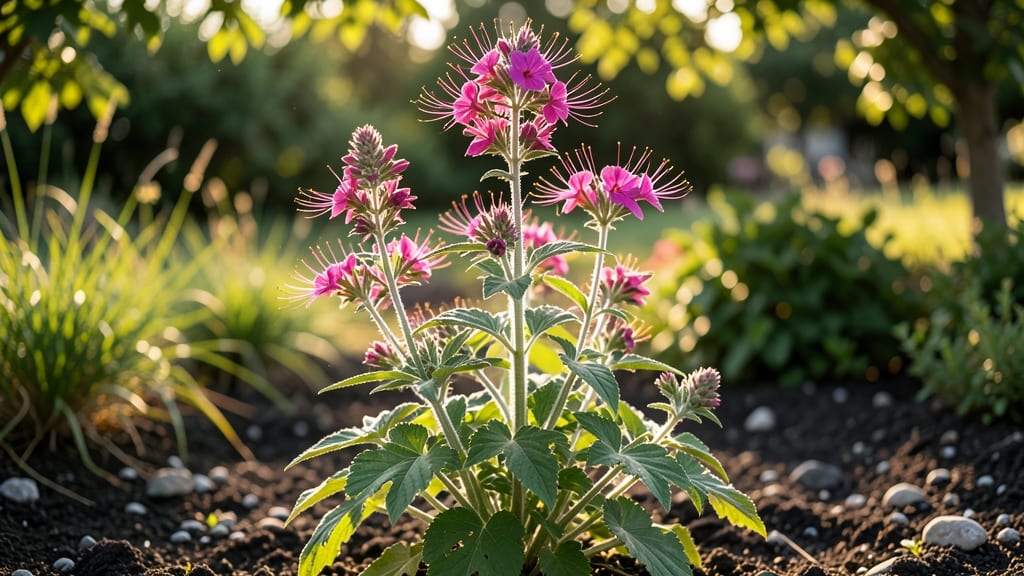
If you’ve ever planted Cleome 🌸 and watched it how tall does this plant grow from a tiny seedling into a towering garden sentinel in just a few months, you’re not alone.
This fast-growing beauty can reach heights between 3 and 6 feet, but without the right care, its dramatic growth might leave you scrambling to keep it upright—or wondering why it’s not hitting its full potential.
The key to managing Cleome’s impressive height lies in understanding its growth patterns and environmental needs. Whether you’re growing the classic ‘Violet Queen’ or a shorter variety like ‘Pink Queen’, sunlight, soil quality, and pruning techniques play a huge role in how tall (or sturdy) your plant becomes.
In this guide, I’ll break down exactly what to expect from Cleome’s yearly height spikes, how to control its growth with simple pruning tricks, and the common mistakes that might be holding your plant back. Let’s turn those 5-foot giants into show-stopping features of your garden—without the floppy stems!
Ready to discover the secrets behind Cleome’s rapid ascent? From planting in April-May to managing its peak in June-September, you’ll learn how to nurture this striking annual for maximum height and impact.


Cleome growth height by season: what to expect yearly
Cleome, or Spider Flower, is one of those plants that grows so fast you’ll swear it’s magic. From tiny seedlings to towering stems in just a few months, its height progression is nothing short of dramatic.
But how tall does cleome grow, really? The answer depends on your climate zone, sunlight exposure, and variety. Let’s break it down by season so you can plan your garden layout with confidence.
Most cleome varieties reach their peak height between 4 to 6 feet, but some can stretch up to 8 feet in ideal conditions. The key to understanding this growth spurt is recognizing how cleome behaves in each season.
Spring sets the stage, summer fuels the vertical rush, and fall determines whether your plant will stand tall or flop over under the weight of its blooms.
📊 Cleome Height Progression by Season
| Season | Height Range | Growth Factors | Care Tips |
|---|---|---|---|
| Spring (April-May) | 6–18 inches | Soil warming, longer daylight | Plant after last frost; stake early if needed |
| Summer (June-August) | 3–6 feet (peak growth) | Full sun, consistent water | Deadhead spent blooms; add support |
| Fall (September-October) | 4–7 feet (with blooms) | Cooler temps slow growth | Prune to encourage bushiness; harvest seeds |
| Winter (Dormant) | 0–1 foot (if perennial) | Frost kills annual varieties | Mulch to protect roots in cold climates |
In USDA Zone 6a (where cleome thrives), expect the most dramatic growth during summer. Varieties like 'Violet Queen' often hit 6 feet, while 'Pink Queen' may max out at 5 feet.
The difference? Genetics and sunlight. Cleome grown in full sun (6+ hours daily) can shoot up 3x faster than those in partial shade, where heights might only reach 3–4 feet.
Regional climate plays a huge role too. In hot, humid southern states, cleome may bolt to 7–8 feet by midsummer, while in cooler northern regions, it might plateau at 4–5 feet.
The secret to maximizing height? Start seeds indoors 6–8 weeks before last frost to give them a head start. Transplanting mature seedlings ensures they’ll have the energy to reach their full potential.
One common misconception is that cleome’s height is purely genetic. While some varieties are naturally taller, soil quality and watering habits can push growth limits. Amend your soil with compost before planting to provide nutrients, and water deeply once a week during dry spells.
Overwatering, however, can cause stems to weaken—leading to that dreaded flop.
If you’re growing cleome in containers, expect slightly shorter plants (3–4 feet) due to root restriction. But with proper container size (12+ inches deep) and trellis support, you can still achieve impressive heights.
The key is to prune regularly to encourage lateral branching, which distributes weight and prevents top-heavy collapse.
For those in cooler climates (Zone 5 or below), cleome is typically grown as an annual, so height is determined by the single growing season. In warmer zones (Zone 7+), it may self-seed and return the following year, potentially reaching even greater heights if given ideal conditions.
Just remember: the taller the cleome, the more sturdy support it needs!
Pro tip: If your cleome starts to lean or droop under its own weight, don’t panic. This is normal! Simply tie stems to a bamboo stake or install a tomato cage early in the season.
The earlier you provide support, the more upright and show-stopping your cleome will grow—perfect for cutting gardens or cottage-style borders.
Ready to watch your cleome shoot up like a vertical rocket? The key is patience, proper support, and a little seasonal know-how. With these insights, you’ll be the gardener who turns heads with 6-foot-tall cleome towers that bloom from top to bottom all summer long. 🌸
Pruning cleome for height control: when and how to trim
If your cleome is shooting up like a jack-in-the-beanstalk, it’s time to intervene before those tall stems become a floppy mess. Pruning isn’t just about height control—it’s about encouraging bushier growth and prolonging blooms.
The key is timing and technique, so let’s dive into when and how to trim for the best results.
Start pruning in early spring when new growth appears. This is your chance to shape the plant and remove any weak or damaged stems. Use clean, sharp pruners to make 45-degree cuts just above a leaf node.
Avoid cutting into old wood, as cleome struggles to regrow from mature stems.
Here’s a simple step-by-step guide to keep your cleome tall but sturdy:
- Spring: Prune weak stems to encourage new growth.
- Summer: Deadhead spent blooms to redirect energy to new flowers.
- Late Summer: Lightly trim overgrown branches to prevent stem collapse.
For tall varieties like 'Violet Queen', don’t cut back more than one-third of the plant at once. This prevents shocking the plant and stunting its vertical growth. Instead, make small, incremental cuts over time to maintain that dramatic height without sacrificing structure.
If your cleome is leaning or flopping, it’s a sign it needs support and pruning. Install stakes or cages early in the season, and trim any overly long stems to redirect energy to stronger branches. This keeps your cleome upright and show-stopping all season long.
Remember, pruning cleome isn’t about shrinking it—it’s about guiding its growth for a healthier, more vibrant plant. With the right approach, you’ll enjoy those towering blooms without the drama of floppy stems.