
How To
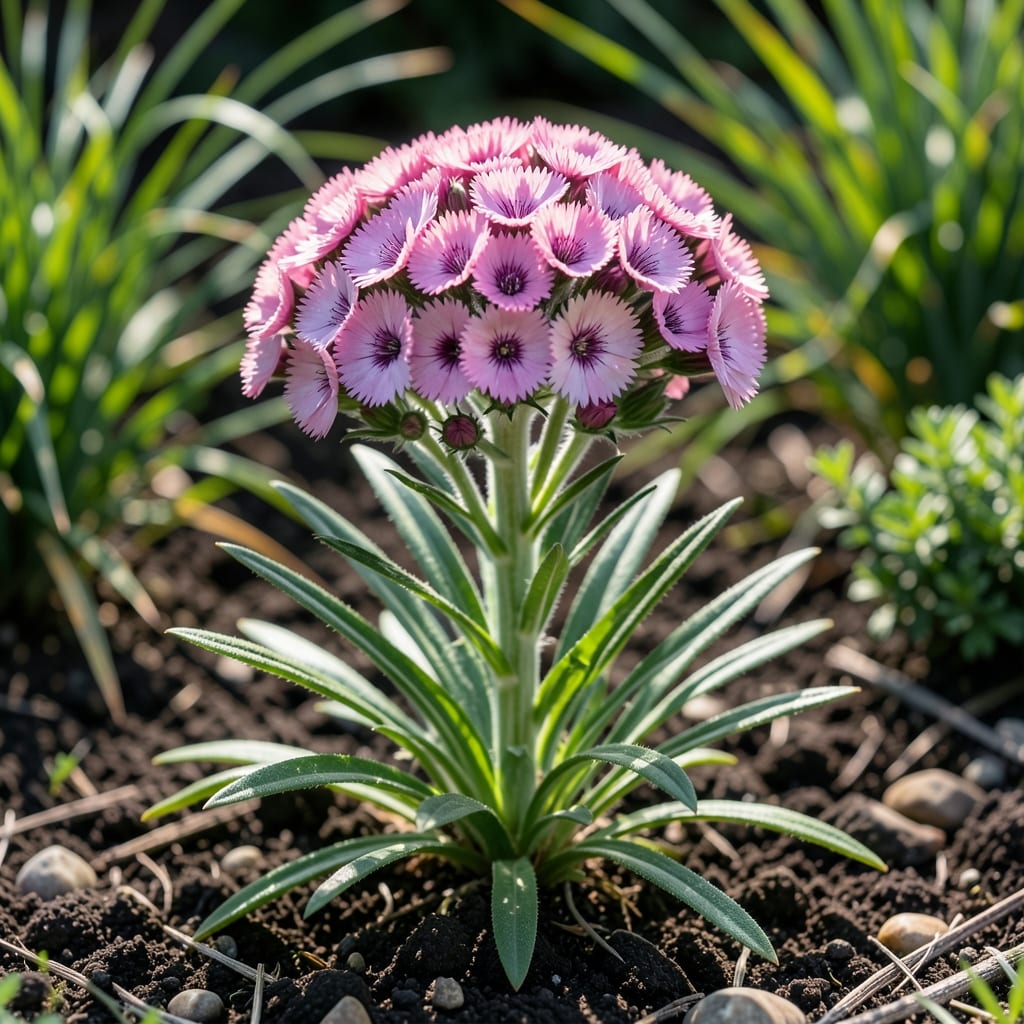
If you're planning your garden beds or container arrangements this spring, knowing how tall dianthus grow could make all the difference between a stunning display and a cluttered mess. These charming 🌸 flowers come in a surprising range of heights, from dainty 6-inch varieties perfect for edging walkways to towering 24-inch stalks that command attention in mixed borders.
What you might not realize is that the final height of your dianthus depends on more than just genetics—sunlight exposure, soil quality, and even your pruning habits play starring roles. A well-maintained sweet William could easily double in height from its first year to maturity, while neglected plants might flop over like overgrown weeds.
Whether you're dreaming of fragrant pinks spilling over container edges or bold carnations lining your garden path, understanding these growth patterns lets you plan with confidence. I'll break down the key varieties, share pro tips to control height naturally, and reveal the 3 biggest mistakes that stunt growth before it starts.
Ready to transform your garden vision into reality? Let's dive into the numbers—and how to keep your dianthus thriving at exactly the height you want.

Dianthus height by variety: complete growth chart for garden planning
If you're planning your garden beds or choosing containers for your dianthus, knowing their mature height is essential. These charming flowers range from compact dwarf varieties to taller border plants, with heights spanning 6 inches to 2 feet. The right variety ensures your garden design flows beautifully while preventing overcrowding or wasted space.
Dianthus plants grow at different rates depending on their type—whether they're annuals, perennials, or biennials. Annual varieties like Sweet William often reach their full height in one season, while perennials like Cheddar Pinks may take two years to mature. Proper spacing is key to maximizing air circulation and preventing disease, especially in taller varieties.
Here’s a quick look at how different dianthus varieties compare in height, so you can plan your garden layout with confidence:
For container gardening, dwarf varieties like Dwarf Pinks thrive in 6-inch pots, while taller types such as Grenadine Pinks need 12-inch containers to accommodate their roots. Always use well-draining soil to prevent root rot, which can stunt growth and reduce height potential.
When planting in garden beds, group taller varieties like Sweet William at the back of borders and shorter types like Cheddar Pinks in the front. This creates a layered effect that adds depth and visual interest to your landscape design.
Another factor influencing height is sunlight exposure. Dianthus plants grown in full sun (6+ hours daily) tend to grow taller and produce more robust stems. In partial shade, they may stay shorter but can become leggier if not pruned regularly. Always choose a location that matches your variety’s light requirements.
Soil quality also plays a role in determining how tall your dianthus will grow. Well-draining, sandy loam soil with a pH of 6.0–7.0 is ideal. Amending heavy clay soil with compost or sand can improve drainage and encourage healthier, taller growth over time.
If you’re growing dianthus for cut flowers, taller varieties like Grenadine Pinks are perfect for bouquets. Their longer stems provide better structure, while shorter varieties work well as bedding plants or container accents. Always deadhead spent blooms to encourage continuous flowering and maintain compact growth.
🌸
How to control dianthus height: pruning and maintenance tips for compact growth
If your dianthus plants are growing taller than you'd like—or worse, flopping over like overgrown weeds—don’t panic! With the right pruning techniques and maintenance habits, you can easily guide their growth to your desired height. Pruning isn’t just about cutting back; it’s about encouraging bushier, healthier plants that stay compact and produce more blooms.
One of the biggest mistakes gardeners make is waiting too long to prune. I’ve seen Sweet William varieties grow from 12 inches to nearly 2 feet in just one season if left unchecked. The key is to prune regularly, especially after the first flush of blooms, to redirect energy into lateral growth instead of tall, leggy stems.
Here’s my step-by-step guide to pruning dianthus for the perfect height, whether you want them short and bushy or slightly taller for borders:
Pro Tip: When & How to Prune Dianthus
- Best time: Prune right after the first bloom cycle (late spring) and again in early fall to shape for next year.
- Tools: Use clean, sharp pruners to avoid tearing stems—dull tools cause stress.
- Cut back: Reduce stems by 1/3 to encourage branching. Never cut into woody stems.
- Avoid: Pruning in summer heat—this stresses plants and invites pests.
For dwarf varieties like Dwarf Pinks, a light trim after each bloom cycle keeps them at their 6–12 inch sweet spot. Pinch back the tips of new growth when plants are young to promote a fuller shape. This works especially well in containers, where space is limited.
If you’re growing taller varieties like Grenadine Pinks, focus on removing spent blooms and any leggy stems that disrupt the upright form. Stake taller varieties if needed—especially in windy areas—to prevent flopping. I’ve found that bamboo stakes or small cages work beautifully without damaging the delicate stems.
Another secret to controlling height? Fertilizer timing. Over-fertilizing in early spring can lead to rapid, weak growth that flops. Instead, use a balanced 5-10-10 fertilizer lightly in early spring and again after pruning. Too much nitrogen = taller but less stable plants.
Finally, don’t forget about deadheading. Removing faded blooms isn’t just about looks—it prevents the plant from wasting energy on seed production. This simple habit keeps your dianthus blooming longer and staying compact throughout the season. With these tips, you’ll have dianthus that grow exactly as tall (or short!) as you want—without sacrificing beauty.
🌿