
How To
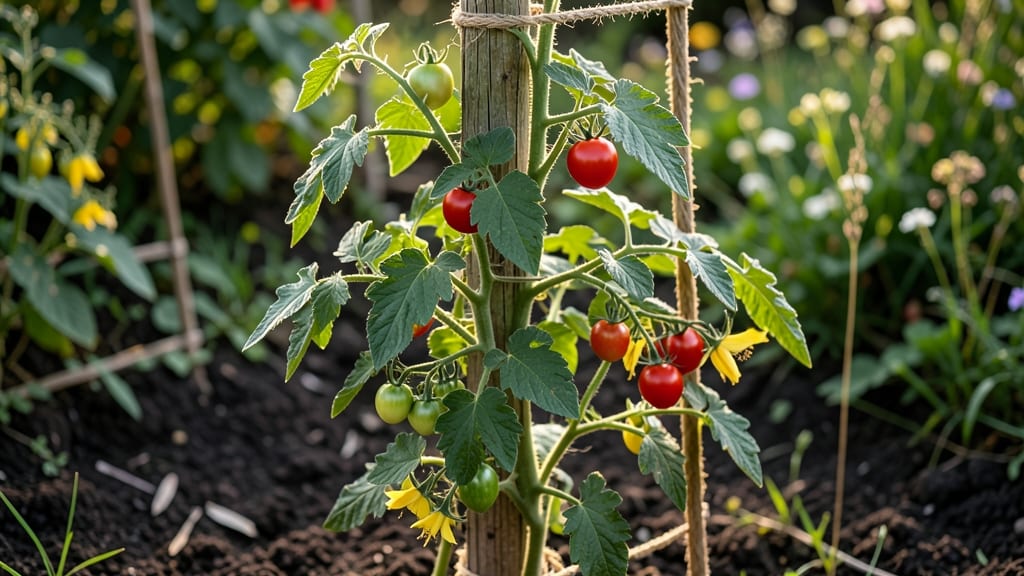
If you’ve ever wondered how tall cherry tomatoes grow and whether they’ll fit in your garden or just sprawl everywhere, the answer depends more on the variety than your wish list.
Some stay as neat as a 2-foot bush, while others climb like vines reaching for the sky—up to 10 feet or more! The right choice could mean the difference between a tidy container garden and a jungle of green.
Picture this: you’re planning your spring garden in Zone 6a, and you’re torn between sweet, bite-sized 🍅 Sweet 100 tomatoes and the sprawling Sun Gold vines.
The height of your cherry tomato plants isn’t just about aesthetics—it impacts yield, space efficiency, and even how much work you’ll put in with pruning and support. Get it wrong, and you might end up with frustrated plants or a backyard that looks like a tangled mess.
Here’s the game-changer: knowing the height range of your cherry tomato plants before you plant them. Whether you’re working with dwarf varieties that barely top 1 foot or indeterminate giants that need trellises, understanding these differences will help you maximize your harvest without sacrificing space.
Let’s break down the varieties, space-saving tricks, and common mistakes that could turn your dream tomato patch into a headache.
Ready to turn your garden into a cherry tomato powerhouse? I’ll show you how to pick the perfect variety for your space, train them to grow just right, and avoid the pitfalls that stunt their potential.
By the end, you’ll know exactly how to give your 🍅 plants the room they need—and the support they crave—to thrive all season long.


Cherry tomato height by variety: compact vs vining types explained
When planning your garden, knowing how tall cherry tomatoes grow helps you choose the perfect variety for your space. Some stay short and bushy, while others climb like vines—each with its own charm.
The key difference lies in their growth habits: determinate varieties (compact) and indeterminate varieties (vining). Let’s break down what this means for your garden layout.
Determinate cherry tomatoes, like 'Tiny Tim' or 'Patio Princess', typically reach 1–3 feet tall, making them ideal for containers, small gardens, or even windowsills. These plants grow in a bushy form and produce fruit all at once, perfect for canning or quick harvests.
Indeterminate varieties, such as 'Sweet Million' or 'Sun Gold', can stretch 6–10 feet or more if left unchecked, requiring sturdy support like trellises or cages.
Why does height matter? Tall varieties need vertical space, while compact ones thrive in tight spots. Your garden’s layout—whether in-ground, raised beds, or containers—will dictate which type works best. For example, a 5-gallon bucket can hold a dwarf variety like 'Tumbling Tom' (2–3 feet), but a sprawling indeterminate plant would overwhelm it.
Here’s a quick comparison to visualize the differences:
| Variety Type | Height Range | Growth Habit | Best For |
|---|---|---|---|
| Dwarf (Determinate) | 1–2 ft | Bushy, compact | Containers, small spaces |
| Semi-Determinate | 3–4 ft | Moderate vine | Raised beds, trellises |
| Indeterminate | 6–10+ ft | Vining, continuous growth | Vertical gardens, large plots |
For example, 'Tiny Tim' stays under 2 feet, perfect for balcony gardens, while 'Sweet Million' can climb 8–10 feet if trained properly. If you’re short on space, opt for dwarf varieties like 'Balcony Red' or 'Micro Tom', which max out at 1–2 feet.
These are great for container gardening or even hanging baskets.
Indeterminate varieties, however, reward patience with continuous harvests throughout the season. Their vining nature means they’ll keep growing until frost, but they need strong support—think tomato cages, stakes, or trellises—to prevent sprawling. Without support, they can flop and become vulnerable to disease.
Another factor to consider is pruning. Indeterminate varieties benefit from regular pruning to manage height and improve air circulation, while determinate types rarely need pruning. For tall varieties, pinching back suckers (side shoots) encourages stronger stems and bigger fruit.
Start pruning when plants are 1–2 feet tall, removing lower leaves to keep the plant’s energy focused on fruit production.
If you’re growing in containers, dwarf or semi-determinate varieties are your best bet. A 5-gallon pot can comfortably hold a 2–3 foot plant, but anything taller will struggle. For ground planting, indeterminate varieties thrive in raised beds or in-ground plots with 3–4 feet of vertical clearance.
Always leave 18–24 inches of space between plants to ensure good airflow and reduce disease risk.
Pro tip: If you love the idea of tall cherry tomatoes but lack space, try vertical gardening. Use wall-mounted trellises or pocket planters to grow indeterminate varieties without sacrificing floor space. Varieties like 'Black Cherry' or 'Yellow Pear' are stunning when trained vertically and produce abundant fruit.
🌱
Cherry tomato height by variety: compact vs vining types explained
When planning your garden, knowing how tall cherry tomatoes grow helps you choose the right varieties for your space. Unlike their larger cousins, cherry tomatoes come in three distinct growth habits: dwarf, semi-determinate, and indeterminate.
Each type has a unique height range and space requirement, making them perfect for everything from container gardens to sprawling backyard plots.
Dwarf varieties like 'Tiny Tim' stay under 2 feet tall, while indeterminate types like 'Sweet Million' can climb to 10 feet or more without proper support.
Understanding these differences ensures you pick plants that fit your growing conditions and goals—whether you're maximizing yield in a small balcony or training vines up a trellis in your backyard.
| Variety Type | Height Range | Best For | Examples |
|---|---|---|---|
| Dwarf (Determinate) | 1–2 ft | Containers, small spaces | 'Tiny Tim', 'Patio Princess' |
| Semi-Determinate | 3–4 ft | Balconies, trellises, raised beds | 'Sun Gold', 'Super Sweet 100' |
| Indeterminate (Vining) | 6–10+ ft | Trellises, cages, large gardens | 'Sweet Million', 'Black Cherry' |
If you're growing indeterminate varieties, expect continuous growth throughout the season.
Without support, they'll sprawl across your garden, competing with other plants for sunlight and nutrients. Determinate types, on the other hand, grow to a fixed height and produce fruit all at once, making them ideal for heirloom varieties or canning projects.
For space-saving solutions, consider bush varieties like 'Tumbling Tom' or 'Micro Tom', which thrive in hanging baskets or window boxes. These compact plants often produce smaller yields but make up for it with their convenience and adaptability to urban gardening setups.
Always check seed packets for height estimates, as even within a category, varieties can vary by a foot or more.
Proper spacing is key: dwarf varieties need 12–18 inches apart, while indeterminate types require 2–3 feet of space or a sturdy trellis. Overcrowding leads to poor air circulation, increasing the risk of fungal diseases like blight.
Plan your layout early to avoid last-minute adjustments that could stress your plants.
My favorite trick? Pairing tall indeterminate varieties with low-growing herbs like basil or thyme. The herbs benefit from the shade provided by the tomato vines, while the tomatoes get a natural pest deterrent. It’s a win-win for companion planting and efficient space use!