
How To
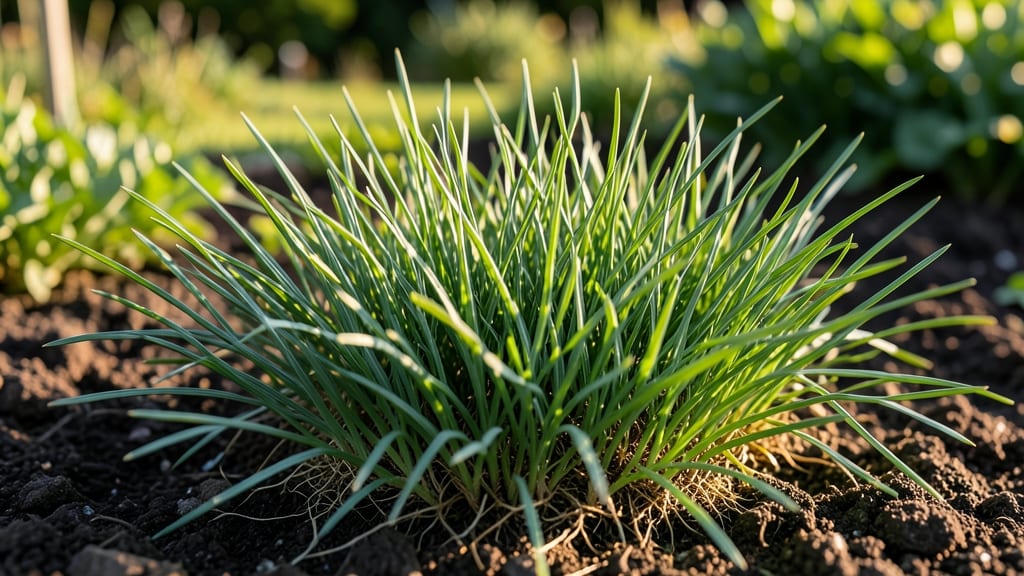
If you're asking "how tall does bluegrass grow", the answer might surprise you—it's not just one size fits all! This classic lawn grass can range from a tidy 1-2 inches for low-maintenance varieties to a lush 3-4 inches when left to its own devices.
The key? Choosing the right type for your yard's needs and climate.
For homeowners in Zone 6a, Kentucky Bluegrass typically matures between 1-2 feet tall, while fine fescue blends stay shorter—perfect for those who prefer a manicured look. But here's the catch: how you mow and care for it directly impacts its height.
Over-mowing can stress the grass, while leaving it too long can invite weeds and pests.
I've seen firsthand how a little extra height can make a lawn look fuller and healthier, especially in shady spots where shorter grasses struggle. The trick is finding that sweet spot where your bluegrass stays vibrant without requiring constant upkeep.
Let's break down the best varieties for your goals—whether you want a golf-course green or a relaxed, natural look.
Ready to transform your lawn? We'll cover everything from ideal mowing heights to seasonal adjustments so you can keep your bluegrass looking its best year-round. No guesswork, just results!


Bluegrass height ranges by variety: what to expect at maturity
If you're planning a bluegrass lawn, understanding its mature height is key to choosing the right variety for your yard.
Bluegrass typically grows between 0.5 to 1.5 feet tall, but the exact height depends on the specific type you plant. Kentucky Bluegrass, the most common variety, usually reaches 1 to 1.5 feet when fully mature, while fine fescue blends often stay shorter, around 0.5 to 1 foot.
Tall Fescue mixes can also be part of your lawn, growing slightly taller—up to 2 feet—but they’re often blended with bluegrass for a balanced look. The height range you choose affects not just aesthetics but also maintenance needs, like mowing frequency and watering habits.
For example, shorter varieties need less frequent mowing, while taller types may require more upkeep to keep them neat.
| Variety | Mature Height | Ideal Mowing Height | Best For |
|---|---|---|---|
| Kentucky Bluegrass | 1–1.5 ft | 2–3 inches | Sunny lawns, high traffic |
| Fine Fescue Blends | 0.5–1 ft | 1.5–2.5 inches | Shady areas, low maintenance |
| Tall Fescue Mixes | 1.5–2 ft | 3–4 inches | Drought-resistant lawns |
When selecting a variety, consider your yard’s sunlight exposure and climate zone. For instance, Kentucky Bluegrass thrives in full sun and warmer climates, while fine fescue is better suited for cooler, shadier spots.
If you live in a USDA Zone 6a like many home gardeners, a mix of Kentucky Bluegrass and fine fescue often works best for a balanced height and resilience.
Another factor influencing height is soil quality. Well-drained, fertile soil encourages healthier growth, while poor soil can stunt your grass. If your yard has clay-heavy or compacted soil, consider amending it with compost or sand before planting.
This step can make a noticeable difference in how tall and dense your bluegrass grows over time.
For those who prefer a low-maintenance lawn, shorter varieties like fine fescue blends are ideal. They require less frequent mowing and are more drought-tolerant. On the other hand, if you want a lush, thick lawn that can handle foot traffic, Kentucky Bluegrass or Tall Fescue mixes are excellent choices.
Just be prepared for more upkeep, especially during the growing season.
One common mistake is assuming all bluegrass grows the same height. Tall Fescue mixes, for example, can reach up to 2 feet if left unchecked, while fine fescue stays closer to the ground.
Always check the seed packet or sod label for specific height ranges to avoid surprises. This small step can save you time and effort in the long run.
If you’re unsure which variety to choose, start with a small test patch of each type. Observe how they grow in your yard’s conditions over a few months. This hands-on approach helps you make an informed decision before committing to a full lawn.
Pay attention to how often you need to mow and how well each variety recovers from wear.
Remember, the ideal mowing height for bluegrass is typically 2 to 3 inches for most varieties. Cutting too short can stress the grass, while letting it grow too tall can lead to thatch buildup and pests.
Use a sharp mower blade and never remove more than one-third of the blade height in a single mowing session to keep your lawn healthy and looking its best.
For home gardeners in USDA Zone 6a, early spring is the best time to plant bluegrass seeds or sod. Aim for planting between March and April, after the last frost date. This timing gives your grass enough time to establish roots before the heat of summer.
With the right variety and care, your bluegrass lawn can reach its full mature height within 2 to 3 years, providing a beautiful, functional outdoor space for years to come.
Bluegrass height ranges by variety: what to expect at maturity
Bluegrass height varies dramatically by type, so choosing the right variety for your yard is key. Kentucky Bluegrass typically reaches 1 to 2 feet at maturity, while fine fescue blends stay shorter, around 0.5 to 1.5 inches.
Understanding these differences helps you pick a variety that matches your mowing habits and aesthetic goals.
If you prefer a low-maintenance lawn, fine fescue blends are ideal—they grow slowly and stay close to the ground. For a lush, dense look, Kentucky Bluegrass or Tall Fescue mixes will give you that classic, taller appearance. Both have their place in modern landscaping.
Here’s how the most common bluegrass varieties compare in terms of mature height and ideal mowing height:
| Variety | Mature Height | Ideal Mowing Height | Best For |
|---|---|---|---|
| Kentucky Bluegrass | 1–2 feet | 2–3 inches | Sunny lawns, high-traffic areas |
| Fine Fescue Blends | 0.5–1.5 inches | 1–2 inches | Shady areas, low-maintenance yards |
| Tall Fescue Mixes | 1–2 feet | 2.5–3.5 inches | Drought-resistant lawns, informal looks |
For example, if you love a manicured look, fine fescue blends keep your lawn looking sharp with minimal mowing. But if you want a wild, natural aesthetic, Tall Fescue’s taller growth lets you embrace a more relaxed style. Both options thrive in different climates and soil types.
One common mistake is assuming all bluegrass grows the same height. Kentucky Bluegrass can grow aggressively if not mowed regularly, while fine fescue stays compact even with less frequent trimming. Adjusting your mowing height to match the variety’s natural growth habit keeps your lawn healthy and visually consistent.
Pro tip: If you’re unsure which variety to choose, test a small patch of each in your yard. Observe how they grow over a season—this hands-on approach helps you make an informed decision for your entire lawn. 🌱