
Trees
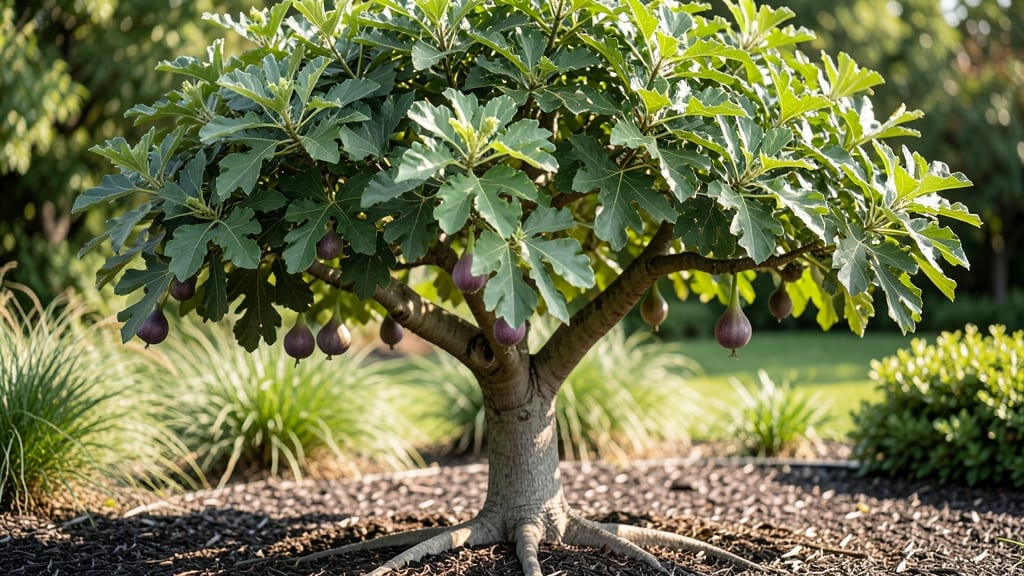
If you're wondering how tall do Chicago fig trees grow, the answer might surprise you—this hardy variety can reach heights of 15 to 20 feet when mature, making it a statement piece in any garden.
Unlike some dwarf figs that stay compact, the Chicago Hardy Fig 🌳 thrives as a medium-sized tree, perfect for those with space to spare or a vision for a lush, fruiting focal point.
Growing in USDA zones 5b-6a, this fig variety is uniquely suited for cooler climates like Chicago, where many figs struggle to survive winter.
Its sturdy growth habit means it won’t just stop at 10 feet—with proper care, it can easily double that height, offering both shade and delicious fruit for years to come.
But don’t let its potential height intimidate you. With the right pruning techniques and spacing, you can manage its growth to fit your landscape.
Whether you’re planting in spring or dreaming of a future harvest from August to October, understanding its growth patterns is the first step to creating a thriving fig tree that works for your space.
Ready to learn how to nurture this tree from a sapling to a fruitful giant? I’ll walk you through everything—from planting tips to pruning secrets—so you can enjoy its beauty and bounty without the unexpected overgrowth.


Chicago fig tree height by variety: mature size ranges explained
When planning your garden layout, knowing the mature height of your Chicago fig tree is essential. These trees aren't just about height—they also develop sprawling canopies that require space.
The Chicago Hardy variety, bred for colder climates, typically reaches 15 to 20 feet tall at maturity, but other cultivars can vary significantly.
Understanding these differences helps you choose the right variety for your space. For example, 'Brown Turkey' figs often grow taller than 'Celeste' figs, which may stay slightly shorter but produce more abundant fruit.
Let’s break down the mature height ranges for popular Chicago fig tree varieties to help you make an informed decision.
| Variety | Mature Height Range | Canopy Spread | Growth Habit |
|---|---|---|---|
| Chicago Hardy | 15–20 ft | 12–15 ft | Upright, cold-hardy |
| Brown Turkey | 18–25 ft | 15–20 ft | Fast-growing, sprawling |
| Celeste | 12–18 ft | 10–14 ft | Compact, bushy |
| Desert King | 10–15 ft | 8–12 ft | Dwarf, dense |
The Chicago Hardy variety is a favorite for its cold tolerance, making it ideal for USDA Zones 5-7. Its mature height of 15 to 20 feet means it’s perfect for larger yards or as a focal point in landscape designs.
If you're working with limited space, consider 'Celeste' or 'Desert King', which stay shorter but still produce delicious figs.
For those in warmer climates (Zones 8-10), 'Brown Turkey' can grow even taller, reaching up to 25 feet. This variety thrives in heat but requires more space due to its sprawling branches.
Always check your local climate and soil conditions, as these can influence how tall your tree ultimately grows.
Another factor to consider is the root system of fig trees. While they don’t have deep roots like oak trees, they spread widely. Planting near structures or other plants requires careful planning to avoid root competition.
A general rule is to leave at least 10 feet of clearance around the base of a mature fig tree.
If you're unsure about the final height, start with a container-grown sapling. This allows you to monitor growth and transplant it to a permanent location once you're confident it fits your space.
Container-grown trees also give you more control over their early development, making it easier to manage their height.
For urban gardeners, dwarf varieties like 'Desert King' are excellent choices. These trees stay under 15 feet tall and are well-suited for smaller yards or even large containers. Just ensure they receive full sun exposure and well-draining soil to thrive.
Remember, the height of your Chicago fig tree isn’t set in stone. With proper pruning and care, you can influence its growth pattern. For example, regular pruning in late winter can encourage a bushier shape and control height. We’ll cover pruning tips in more detail in the next section.
Choosing the right variety and giving your fig tree the right conditions will ensure it grows to its full potential while fitting seamlessly into your garden design.
Whether you opt for a towering 'Brown Turkey' or a compact 'Celeste', your fig tree will reward you with delicious fruit and stunning foliage.
How fast do Chicago fig trees grow to full height?
Understanding how quickly a Chicago fig tree reaches its mature height helps you plan for years of sweet harvests. On average, these trees grow about 12-24 inches per year under ideal conditions, though growth rates can vary significantly based on climate, soil quality, and care.
In their first year, you’ll likely see 2-4 feet of growth if planted in well-draining soil with full sun exposure. By year three, many trees reach 8-12 feet tall, making them a fast-growing addition compared to other fruit trees.
However, reaching the 15-20 foot mature height typically takes 5-7 years in optimal growing zones like USDA Zones 7-9. In colder regions (Zone 6 or below), growth may slow during winter months, extending the timeline to 8-10 years for full maturity.
🌱 Key Factors Affecting Growth Speed
- Sunlight: 6+ hours daily accelerates growth by 30-50%
- Soil quality: Well-draining, sandy loam with compost boosts early growth
- Watering: Deep weekly watering (1-2 gallons) prevents stunted growth
- Pruning: Light pruning in late winter encourages bushier, faster growth
- Climate: Zone 8-9 trees grow 20% faster than Zone 6 counterparts
For faster height gains, focus on consistent moisture and balanced fertilization (5-10-10 NPK ratio). Avoid over-fertilizing with nitrogen, which can lead to excessive leaf growth at the expense of fruit production and structural strength.
In my own garden, a Chicago Hardy fig planted in Zone 7b reached 10 feet in just 4 years thanks to morning watering and annual pruning. The key was protecting it from late spring frosts, which can damage new growth and set back height progression.
Remember, while these trees grow relatively quickly, their fruit-bearing potential often develops alongside their height. Patience pays off—you’ll typically see your first harvest around year 3 or 4, just as the tree is really starting to stretch toward its full potential. 🌳