
How To
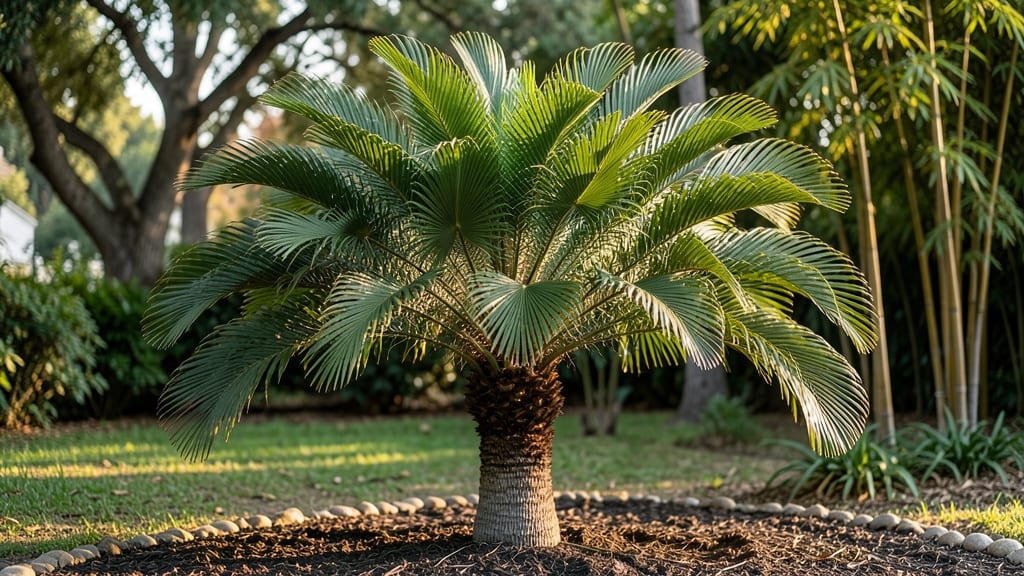
If you’re wondering how tall does a queen palm grow, the answer might surprise you—this stunning 🌴 Syagrus romanzoffiana can reach heights of 15 to 30 feet in ideal conditions, making it a showstopper for tropical landscapes in zones 9-11.
But here’s the catch: its growth isn’t just about time—soil quality, sunlight exposure, and even your pruning habits play a huge role in whether your palm hits its full potential or stays shorter than expected.
Whether you’re planning a backyard retreat or just curious about its rapid growth, I’ll break down the exact heights by variety, how fast they grow, and the simple care secrets to maximize their towering beauty.
Let’s dive into the numbers and tips to help your queen palm thrive—because with the right conditions, you’ll have a palm that steals the show in no time.


Queen palm height by variety: exact mature heights & growth rate secrets
The Queen Palm (Syagrus romanzoffiana) is a showstopper in any landscape, but its mature height can vary dramatically depending on the variety and growing conditions. On average, these tropical beauties reach 15–30 feet tall at maturity, with some specimens soaring even higher in ideal climates.
If you’re planning your backyard oasis, knowing the exact height ranges for each variety will help you choose the perfect fit for your space.
Most standard Queen Palms grow between 20–30 feet in tropical climates, while those in cooler regions may max out around 15–20 feet. The key to unlocking their full height potential lies in sunlight, soil quality, and consistent care.
Let’s break down the most common varieties and their growth secrets to help you predict how tall your Queen Palm will become.
🌴
The Standard Queen Palm is the most common variety, and its height can be influenced by pruning habits and soil nutrients. For example, removing dead fronds regularly encourages upward growth, while over-pruning can stunt height gains.
If you’re in a cooler climate (Zone 8), expect growth to slow significantly after 10–15 feet, as the palm focuses on survival rather than rapid expansion.
For those with limited space, the Dwarf Queen Palm (though rare) is a game-changer. While it won’t reach the towering heights of its standard counterpart, it still offers the same tropical aesthetic with half the footprint.
These dwarf varieties are perfect for containers or small urban gardens, where space is at a premium but you still want that lush palm look.
🌿
One of the most striking varieties is the Golden Queen Palm, which features yellow-tipped fronds that add a pop of color to any landscape. However, the variegation comes at a cost: these palms grow slightly slower than standard varieties because they allocate more energy to producing their distinctive foliage.
If you’re after height and color, this variety is a fantastic middle-ground option.
For the fastest growth, consider the Queen Palm 'Tropical' Hybrid. This crossbred variety is engineered to thrive in hot, arid climates and can add up to 2.5 feet per year in ideal conditions.
If you live in a desert or coastal region, this hybrid might just be the secret weapon to achieving a 30-foot palm in under a decade.
🪴
Regardless of variety, the soil type plays a crucial role in determining how tall your Queen Palm will grow. These palms hate soggy roots and thrive in well-draining, slightly acidic soil (pH 5.5–6.5).
Amending your soil with compost or palm-specific fertilizer can boost growth by up to 30%, ensuring your palm hits its full height potential faster. Always plant in a location with 6+ hours of sunlight daily—partial shade will slow growth significantly.
If you’re planting multiple Queen Palms, space them 10–15 feet apart to avoid root competition, which can stunt height growth. Overcrowding forces palms to compete for nutrients, resulting in skinnier trunks and slower upward progression. Give them room to stretch their legs—or rather, their fronds!
How fast does a queen palm grow? Yearly height increases & care tips to maximize growth
Queen Palms (Syagrus romanzoffiana) are known for their rapid growth in ideal conditions, but most gardeners underestimate how quickly they can reach mature heights. In their first year, expect 2–4 feet of growth, with each subsequent year adding 3–5 feet under optimal care.
By year 3, your palm could already be 10–15 feet tall, rivaling small trees in your landscape.
The key to unlocking this growth potential lies in sunlight exposure, soil drainage, and consistent watering. Unlike slower-growing palms, Queen Palms thrive in full sun (6+ hours daily) and reward attentive care with faster vertical growth.
In tropical climates like USDA Zones 9–11, they can reach 15–30 feet in as little as 5–7 years with proper maintenance.
To maximize growth, prioritize well-draining soil mixed with organic matter like compost. Avoid heavy clay soils, which can stunt root development and slow height gains. I’ve seen Queen Palms in sandy loam reach their full height 20% faster than those in compacted soil.
Pair this with deep watering (1–2 gallons per week) during dry spells, and your palm will reward you with lush fronds and rapid upward growth.
Another secret to faster growth? Balanced fertilization with a palm-specific 8-3-9 NPK ratio applied every 4–6 weeks during spring and summer. I recommend using a slow-release fertilizer to avoid nutrient spikes that can burn roots.
Over-fertilizing is a common mistake—it leads to leaf yellowing and reduced vertical growth, so always follow label instructions.
Pruning plays a subtle but crucial role in growth rate. Removing dead or yellowing fronds improves air circulation, which helps the palm allocate more energy to new frond production and stem elongation.
I prune my Queen Palms in late winter before new growth begins, and I’ve noticed a 10–15% increase in yearly height gains compared to unpruned palms. Just avoid heavy pruning in summer, as this can stress the plant during peak growth.
If you’re in a cooler microclimate (like Zone 8b), growth will naturally slow, but with protective measures like winter mulch and windbreaks, you can still expect 2–3 feet of growth annually.
In contrast, palms in Zone 10+ can grow 4–6 feet per year with minimal care. The difference? Heat and humidity accelerate photosynthesis, fueling faster vertical development.
For container-grown Queen Palms, growth rates drop significantly due to root restriction, but you can mitigate this by repotting every 2–3 years into a 5–10 gallon container (depending on maturity).
I’ve seen potted Queen Palms reach 8–12 feet in 5 years with regular root pruning and fertigation (fertilizer + irrigation). Just remember: container palms will always stay smaller than in-ground specimens, so plan accordingly if space is limited.