
How To
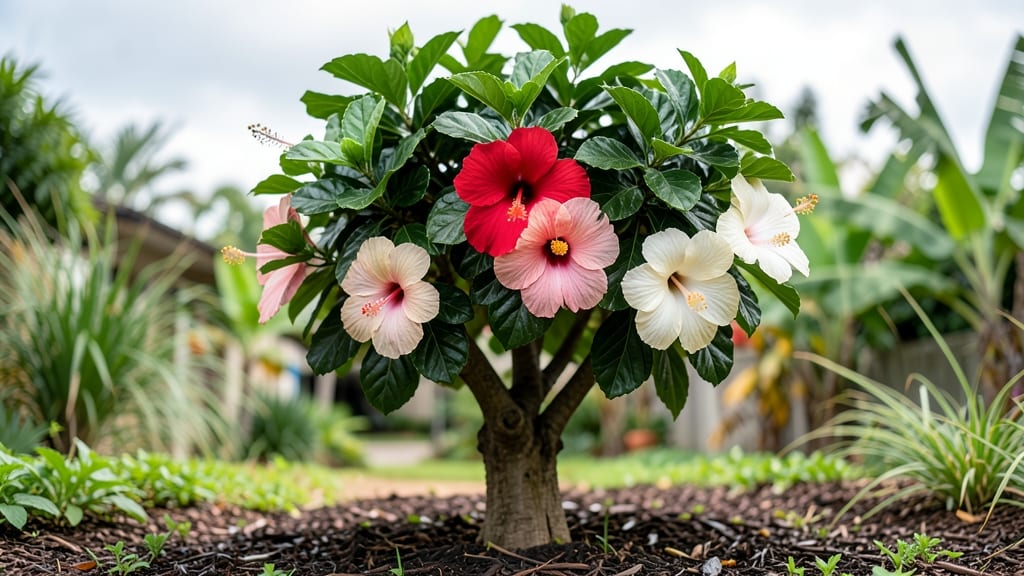
If you're planning to add a hibiscus tree 🌺 to your garden, knowing how tall this tree can grow is the first step to avoiding surprises.
These stunning plants can range from compact shrubs to towering trees, depending on the variety—some stay under 6 feet, while others reach 20 feet or more when fully mature.
For gardeners in USDA Zone 6a, choosing the right type matters even more, as colder climates may limit growth. Whether you're dreaming of a dramatic focal point or a smaller accent plant, understanding these height differences helps you plan your space and care routine effectively.
I’ll break down exactly how tall different hibiscus varieties grow, from tropical giants to hardy dwarfs, so you can pick the perfect fit for your backyard. Plus, I’ll share how sunlight, pruning, and soil can influence their size—because the right care makes all the difference.
Ready to transform your garden with a hibiscus tree? Let’s dive into the details so you can plant with confidence and watch it thrive.


Hibiscus tree height by variety: small to towering options
Hibiscus trees aren’t one-size-fits-all—their mature height can vary dramatically depending on the variety. From dwarf hibiscus that stay under 6 feet to towering tropical species reaching 20 feet, choosing the right type for your space is key.
Let’s explore the height ranges of the most popular hibiscus varieties so you can pick the perfect fit for your garden or patio.
Tropical hibiscus (Hibiscus rosa-sinensis), the classic showstopper with vibrant blooms, typically grows 10–20 feet tall in ideal conditions. These sun-loving trees thrive in warm climates like USDA Zones 9–11 and can even reach 25 feet with aggressive growth.
Their sprawling branches make them perfect for tropical landscapes or as privacy screens.
For cooler climates (Zones 5–9), the hardy hibiscus (Hibiscus syriacus), also called rose of Sharon, is a top choice. These deciduous trees mature between 8–15 feet tall, with some varieties like ‘Diana’ staying compact at 6–8 feet.
Their late-summer blooms add seasonal color without the tropical maintenance.
If space is limited, consider dwarf hibiscus varieties like ‘Little John’ or ‘Pixie’, which max out at 4–6 feet tall. These are ideal for containers, small gardens, or even as striking patio plants. Their smaller stature doesn’t sacrifice bloom size—just expect fewer branches but equally stunning flowers.
Chinese hibiscus (Hibiscus rosa-chinensis) blends traits of both tropical and hardy types, growing 10–15 feet tall in warm zones but often dying back in cold winters. In milder climates, it becomes a semi-evergreen shrub with year-round blooms, making it a favorite for Mediterranean-style gardens.
Here’s a quick reference for height expectations by variety, including growth habits and space needs to help you plan:
| Variety | Mature Height | Growth Habit | Best For |
|---|---|---|---|
| Tropical Hibiscus | 10–20 ft | Fast-growing, sprawling | Tropical gardens, privacy screens |
| Hardy Hibiscus | 8–15 ft | Multi-stemmed, bushy | Perennial borders, small trees |
| Dwarf Hibiscus | 4–6 ft | Compact, slow-growing | Containers, small gardens |
| Chinese Hibiscus | 10–15 ft | Semi-evergreen, bushy | Mediterranean climates, year-round blooms |
When selecting a hibiscus variety, consider not just height but also your climate zone and available space. Tropical hibiscus, for example, won’t survive winter in Zone 5 without protection, while hardy types thrive in colder regions. Always check the specific variety’s cold hardiness before planting.
For container gardening, choose dwarf varieties or prune larger types aggressively. A 5-gallon pot can support a 3–4 foot hibiscus if pruned regularly, while in-ground planting allows for full growth potential. Just remember: hibiscus trees reward patience—their most dramatic blooms often appear after 3–5 years of growth.
If you’re torn between varieties, start with a hardy hibiscus like ‘Blue Chiffon’ (12–15 ft) for its long bloom season and cold tolerance, or opt for a tropical hibiscus like ‘Paradise Pink’ (10–12 ft) if you live in a warm climate.
Both offer stunning flowers and adapt well to pruning for size control.
🌺
What determines how tall your hibiscus tree will grow?
The height of your hibiscus tree depends on more than just its variety—your garden’s conditions play a huge role. Factors like sunlight exposure, pruning habits, and soil quality can push a tree toward its maximum 15–20 ft potential or keep it compact.
Even climate zones matter: tropical hibiscus thrive in warmth, while hardy varieties like Hibiscus syriacus adapt to cooler regions with slower growth.
For potted hibiscus, container size limits root expansion, capping height at 6–10 ft unless you repot frequently. In-ground plants, however, stretch toward their full height if given space and proper care. Understanding these factors helps you control growth or encourage rapid blooming for a lush, tropical look.
🌱
| Factor | Impact on Height | How to Optimize |
|---|---|---|
| Sunlight | Full sun (6+ hrs) = faster growth; partial shade = slower growth | Place in south-facing spots; use grow lights indoors |
| Pruning | Heavy pruning = shorter, bushier; minimal pruning = taller | Trim late winter to shape; avoid over-pruning |
| Soil Quality | Rich, well-draining soil = faster growth; poor soil = stunted growth | Amend with compost; avoid heavy clay |
| Climate | Tropical = rapid growth; cooler zones = slower growth | Choose hardy varieties for zones 5–9 |
| Container Size | Small pots = limited height; large pots = taller growth | Repot every 2–3 years for root space |
Your watering routine also affects height—overwatering can weaken stems, while deep, infrequent watering encourages strong root systems that support taller growth. In USDA zones 8–11, hibiscus grow aggressively with minimal stress, while zones 5–7 may see 30% slower growth without winter protection.
Even the age of your plant matters: young hibiscus grow 2–4 ft in their first year but can add 6–10 ft annually after establishment.
If you’re planting near a fence or patio, factor in mature height—some varieties like Hibiscus rosa-sinensis reach 20 ft, while dwarf types stay under 6 ft.
To maximize blooms (and height), fertilize with a balanced 10-10-10 mix every 4–6 weeks during spring and summer. Skip fall/winter feeding—this helps the tree focus energy on root growth, not just foliage, setting the stage for next year’s height.
✂️